Golf Hole Size: What You Need to Know About the Standard and Why It Matters
When you putt on a green, the golf hole size, the official diameter of the cup on a golf green, standardized at 4.25 inches since 1891. Also known as the golf cup, it’s one of the few measurements in the sport that hasn’t changed in more than a century—even as clubs, balls, and greens have evolved dramatically. That 4.25-inch width isn’t random. It was chosen by the Royal and Ancient Golf Club of St Andrews after they cut a hole with a pipe that happened to be that size. It stuck. And now, whether you’re playing at a public course in Nottinghamshire or a world-famous links in Scotland, every hole you aim for is the same size.
This standard affects more than just your putting. It shapes how courses are designed, how greens are maintained, and even how golfers train. A hole that’s too small would make putting nearly impossible for average players. Too big, and the skill of reading break and controlling speed would vanish. The golf hole size strikes a balance—challenging enough to reward precision, but fair enough to keep the game playable. It’s also tied to the golf cup, the removable liner that holds the flagstick and sits inside the hole, which must fit snugly into the 4.25-inch opening. The golf course standards, the set of rules and dimensions enforced by governing bodies like the R&A and USGA ensure every hole meets this exact specification, so competition stays fair across the globe.
Even though modern golfers hit the ball farther and use high-tech putters, the hole hasn’t grown. Why? Because the game values tradition as much as performance. Changing the hole size would rewrite centuries of play and make past records meaningless. It’s not about difficulty—it’s about consistency. Whether you’re a senior player in Nottinghamshire enjoying a weekend round or watching the Masters on TV, you’re experiencing the same hole that golfers have used since Queen Victoria’s reign.
What you’ll find in the posts below isn’t just about measurements. It’s about how this tiny detail connects to bigger things: course design, equipment choices, and even how senior athletes adapt their game over time. You’ll see how the golf hole size influences everything from putting drills to tournament outcomes—and why it’s still the quiet hero of the game.
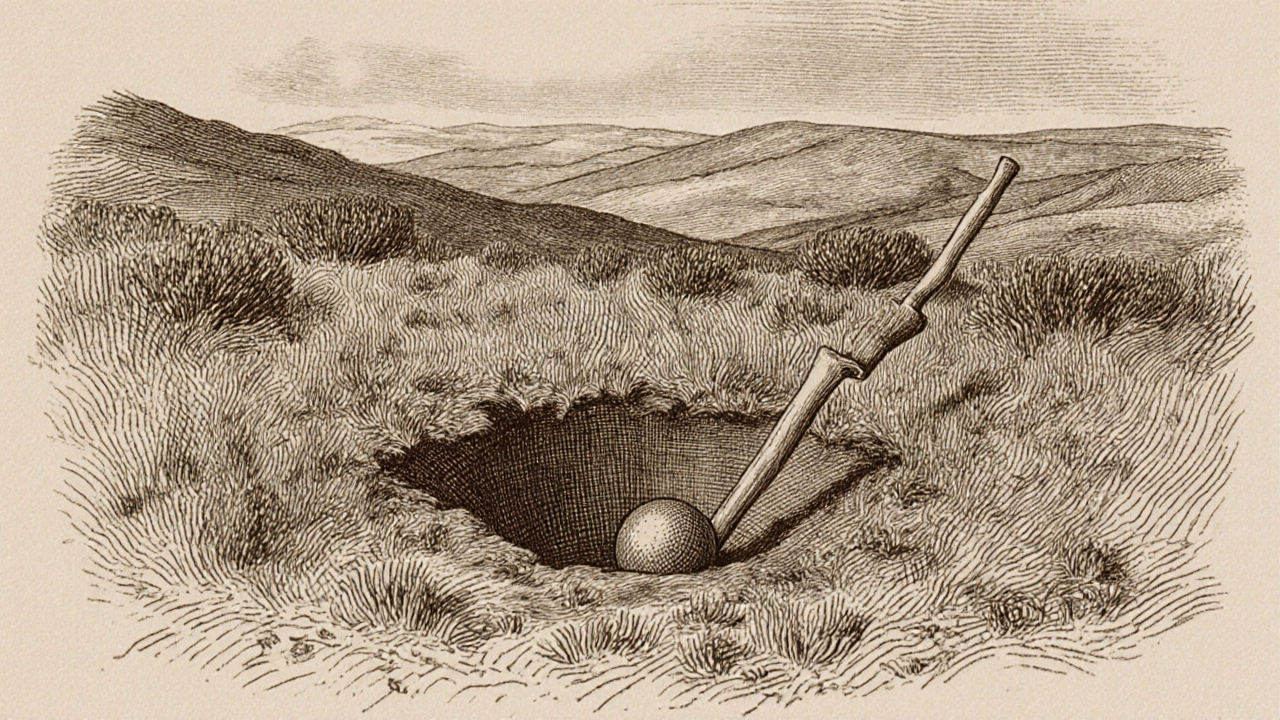
Explore why the golf hole is set at 4.25 inches, covering history, rules, design factors, and tips to improve your game with the tiny target.