Marathon Distance: What It Is, How It Feels, and What You Need to Know
When you hear marathon distance, the standard 26.2-mile race that tests endurance, mental grit, and years of training, you might think of elite runners crossing the line in under two hours. But for most people, it’s about finishing—whether you’re walking, jogging, or pushing through the last five miles with aching legs. The marathon distance, exactly 42.195 kilometers, isn’t just a number on a map. It’s a milestone that changes how you see your own limits. And if you’re a senior athlete in Nottinghamshire, it might be the one goal you’ve been quietly working toward for years.
This distance isn’t just about speed. It’s about consistency. You don’t need to be the fastest to complete it—you just need to keep moving. That’s why so many runners over 50, 60, even 70, take on the marathon. It’s not about winning. It’s about proving to yourself that your body still has fight left. And the marathon cutoff, the time limit set by race organizers to keep courses safe and manageable, is just as important as the distance itself. Most marathons give you 6 to 7 hours to finish. That’s enough time to walk half the route, jog the rest, and still cross the line with your head high. The running shoes, the gear that turns miles into comfort and prevents injury you wear matter more than your pace. A good pair doesn’t make you faster—it keeps you going.
What you’ll find in the posts below isn’t a list of elite times or training myths. It’s real talk from people who’ve been there. You’ll see how one runner figured out the slowest time you can still finish. You’ll learn why worn-out shoes can ruin your day, even if you’re only halfway through. And you’ll find out why cushioned shoes like Hoka aren’t just trendy—they’re a lifeline for older runners who want to stay active without pain. These aren’t stories for pros. They’re for anyone who laces up, shows up, and doesn’t quit.
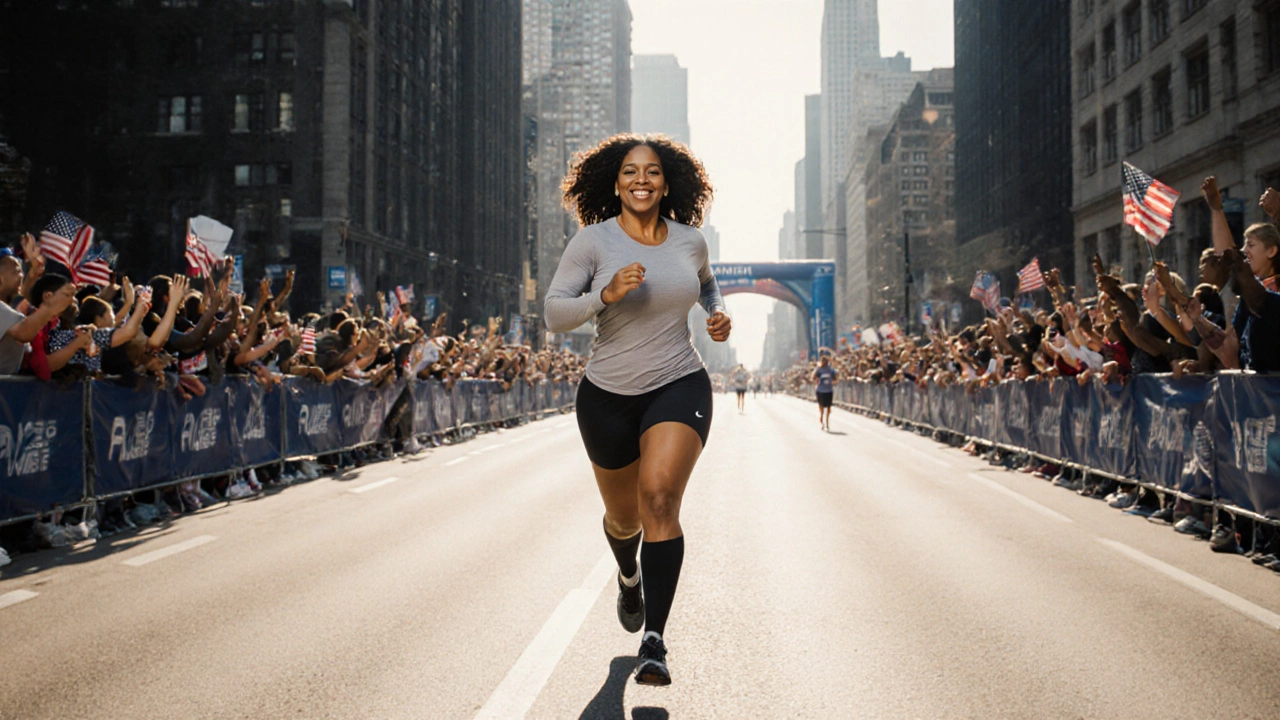
Discover how long Oprah Winfrey took to complete the Chicago Marathon, her training plan, race pace, gear, and how her time compares to average runners.