Personal Fitness Level: What It Really Means and How to Improve It
When we talk about personal fitness level, a measure of how well your body handles physical activity based on strength, endurance, mobility, and recovery. It's not just about how much you can lift or how fast you can run—it's whether you can carry groceries, climb stairs without gasping, or play with your grandkids without feeling wrecked the next day. Many people think fitness is about looking a certain way, but real fitness is about function. Someone can be lean and still struggle to stand up from a chair. Someone else might carry extra weight but have the stamina to walk five miles or lift a heavy box without injury. That’s the difference between appearance and actual personal fitness level.
Your personal fitness level is shaped by daily habits, not just gym sessions. It’s affected by how well you recover, how much you move between workouts, and whether you’re using the right tools. For example, wearing worn-out running shoes can throw off your posture and lead to knee pain, dragging down your overall fitness. Or choosing the wrong gym split—like doing too much upper body and ignoring legs—creates imbalances that limit your movement. The best workouts for building real strength aren’t fancy machines or trendy routines. They’re the basics: compound exercises like squats, deadlifts, push-ups, and pull-ups. These move multiple joints and muscles at once, teaching your body to work as a unit. That’s what builds functional fitness—the kind that lasts into your 60s, 70s, and beyond.
Age doesn’t erase fitness—it just changes the game. Senior athletes in Nottinghamshire aren’t trying to break records. They’re trying to stay independent, pain-free, and active. That’s why so many of the posts here focus on practical, real-world fitness: how to tell when your shoes are done, why 5x5 might not build muscle the way you think, or how to pick the right time to hit the gym. Your personal fitness level isn’t a number on a scale. It’s the quiet confidence of knowing you can still do what you need to do, without help. Below, you’ll find honest takes on training, gear, and recovery—no fluff, no hype—just what works for people who’ve been at this longer than most.
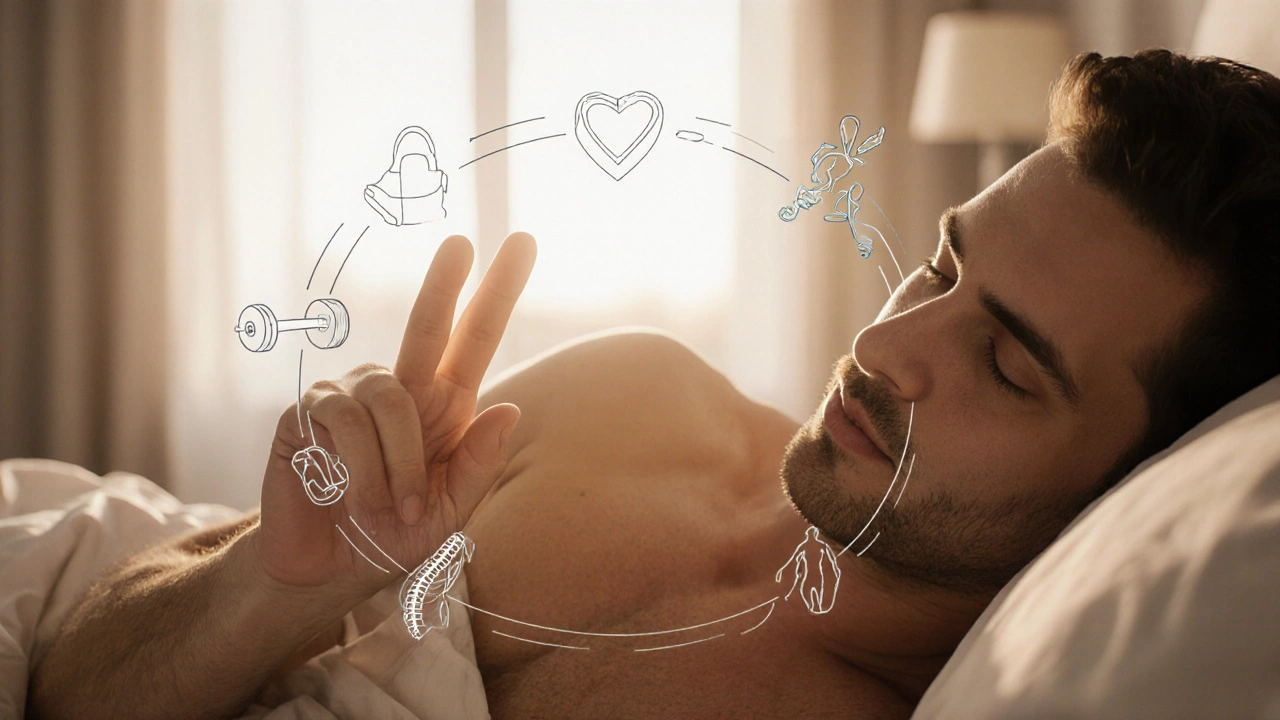
Discover a practical fitness assessment guide that helps you measure cardio, strength, flexibility and body composition, interpret results, and build an action plan.