Rugby Facts: Origins, Rules, and What Makes the Game Unique
When you hear the word rugby, a full-contact team sport played with an oval ball, originating in England in the early 19th century. Also known as rugby football, it’s not just about tackling—it’s about structure, discipline, and a code that’s stayed mostly unchanged for over 200 years. The game didn’t get its name from the ball or a famous player. It comes from Rugby School, a historic English school where, in 1823, a student reportedly picked up the ball during a football match and ran with it. That moment, whether true or myth, became the foundation of a sport that spread across the globe.
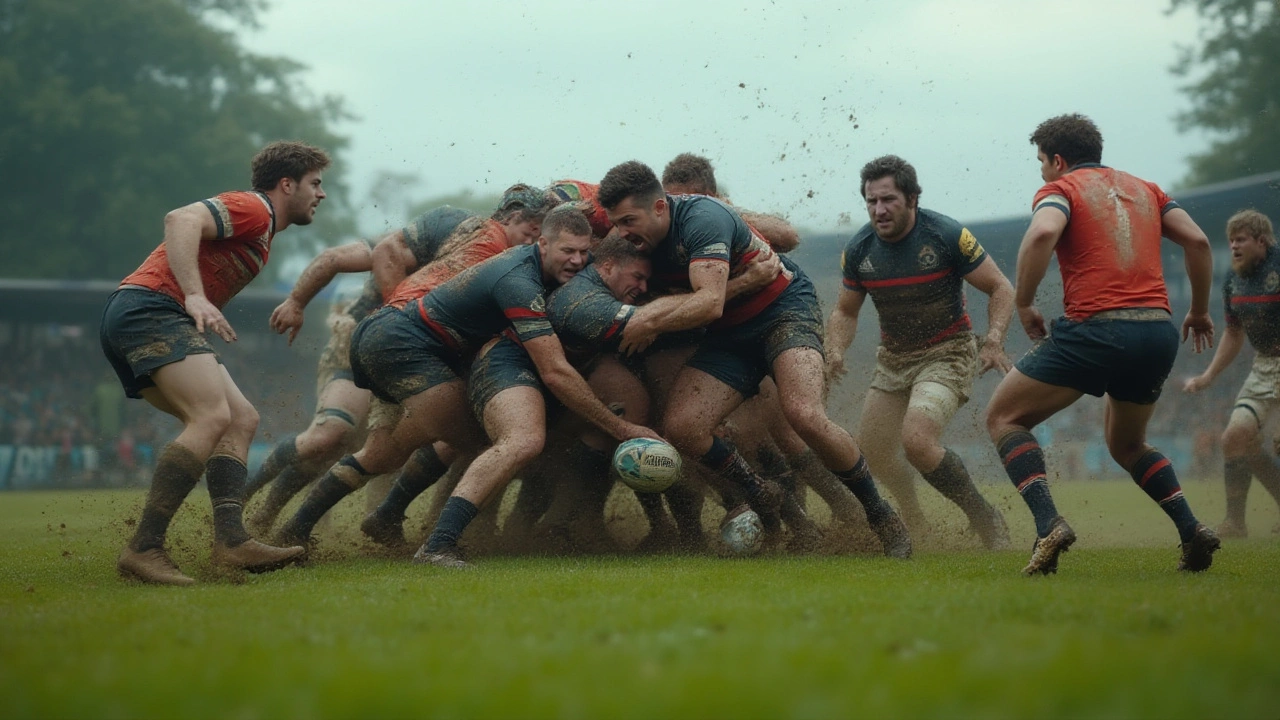
What makes rugby different isn’t just the shape of the ball or the lack of pads. It’s the rules that keep it flowing. Unlike American football, play doesn’t stop after every tackle. Instead, teams form rucks and mauls to contest possession. You can’t pass the ball forward—only sideways or backward. That’s why every move has to be planned, every pass timed. And then there’s the scrum, a locked-together pack of eight players pushing for control. It’s not just strength—it’s technique, timing, and trust. These aren’t just rules; they’re what make rugby its own thing. You’ll also find that illegal tackles, like high tackles, shoulder charges, or tackling without wrapping the arms are strictly punished, not just to protect players but to keep the game fair and continuous.
There’s a reason rugby keeps drawing in older athletes too. It’s not just for the young. Many senior players in Nottinghamshire and beyond still play because the game rewards experience—reading the field, knowing when to pass, when to hold on. You don’t need to be the fastest or strongest to make a difference. That’s why the rugby facts you’ll find here aren’t just about history or rules. They’re about why the game still matters, how it’s played today, and what keeps people coming back, no matter their age. Below, you’ll find clear breakdowns of what’s allowed and what’s not, why the sport is called what it is, and how it fits into the broader world of senior sports in Nottinghamshire.
Ever wondered which rugby position is the most demanding? This article digs into the toughest spot on the field, mixing facts, tips, and first-hand insights.