Rugby Positions: Understand the Roles on the Field
When you watch rugby, you see 15 players charging around the field—but not all of them do the same thing. Rugby positions, the specific roles players take on during a match, divide the team into two main groups: forwards and backs. Each position has a job, a physical demand, and a style of play that fits the team’s strategy. You can’t just throw anyone into the front row or expect a small player to stop a 120kg prop. The game runs on structure, and that structure starts with knowing who does what.
Take the forwards, the seven players who win the ball in scrums and rucks, and are built for power and endurance. They’re the engines. The props hold the scrum together, the hooker throws the ball in at lineouts, and the locks jump to win it. Behind them, the flankers and number eight clean up the mess after the tackle—stealing ball, slowing down opponents, and often making the most tackles. Then there are the backs, the five players who turn possession into points with speed, vision, and precision. The scrum-half is the link between the forwards and the backs, feeding the ball and calling the shots. The fly-half is the playmaker, the one who decides when to pass, kick, or run. The centers break the line, the wings finish the moves, and the fullback covers everything behind.
These roles aren’t just about size or speed—they’re about timing, discipline, and knowing your job so well you don’t have to think about it. A prop doesn’t need to score tries, but if they lose the scrum, the whole team suffers. A fly-half doesn’t need to tackle, but if they miss a kick, the game can slip away. That’s why rugby isn’t just about who’s the strongest or fastest—it’s about who fits the role best. The best teams aren’t the ones with the most stars; they’re the ones where every player knows exactly what to do, when to do it, and how it connects to the person next to them.
That’s what you’ll find in the posts below: real breakdowns of what each position actually does, why certain players fit certain roles, and how the game changes when someone gets it right—or wrong. You’ll see how the rules shape the positions, how injuries affect team strategy, and how senior players adapt their roles as they age. Whether you’re new to the game or you’ve watched for years, understanding these roles changes how you see every scrum, every pass, and every try.
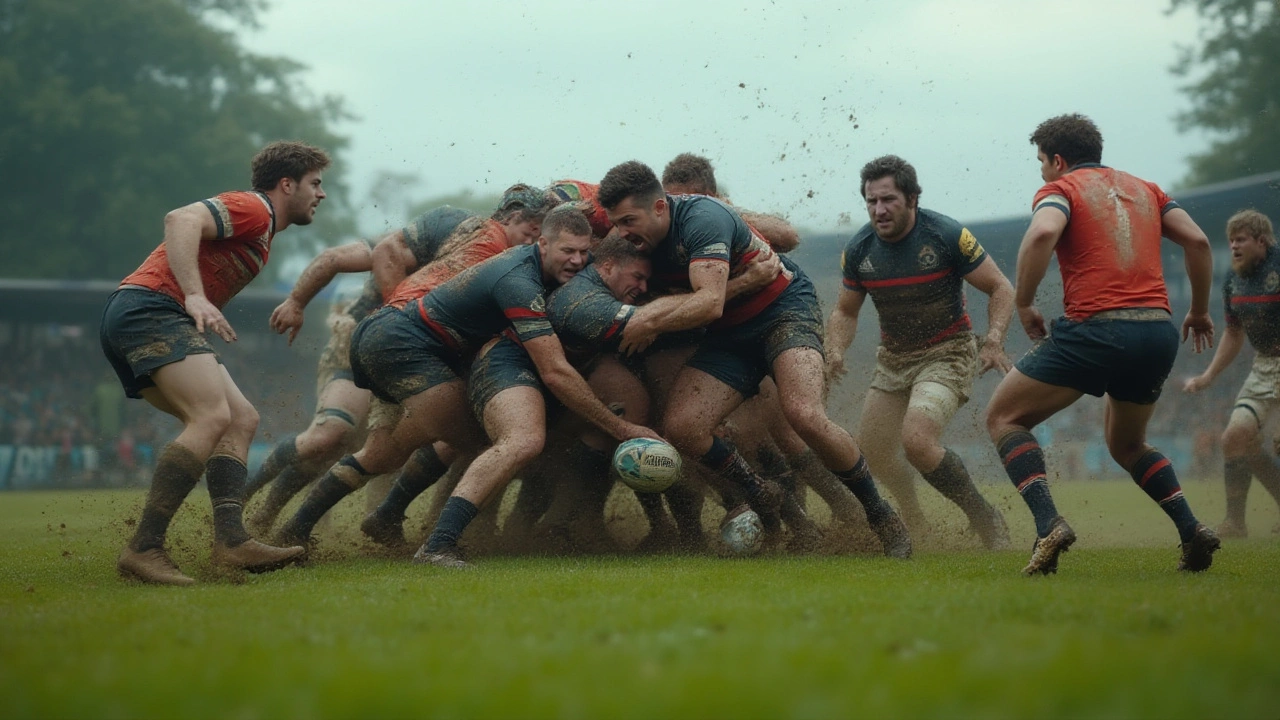
Ever wondered which rugby position is the most demanding? This article digs into the toughest spot on the field, mixing facts, tips, and first-hand insights.