Durability in Sports: What Makes Equipment and Athletes Last
When we talk about durability, the ability of something to last under regular use and stress. Also known as longevity, it's what keeps your running shoes from falling apart after 200 miles, your boxing gloves from cracking mid-training, and your body able to keep showing up season after season. This isn’t about buying the most expensive gear—it’s about choosing what actually holds up when you’re 50, 60, or 70 and still hitting the field, court, or track.
Sports equipment, tools designed to enhance performance and safety during physical activity like running shoes, rugby pads, or even golf clubs, are built with materials that absorb impact, resist moisture, and handle repeated stress. But not all gear is made equal. Take running shoes, footwear engineered for impact absorption and foot support during running. You’ll find posts here explaining how to tell when they’re truly worn out—because waiting too long isn’t just uncomfortable, it’s risky. The same goes for boxing gloves: if the foam inside has flattened or the stitching is fraying, you’re not protecting your hands—you’re inviting injury.
Athletic endurance, the physical and mental stamina to sustain activity over time is just as important as the gear. Senior athletes in Nottinghamshire don’t quit because they’re old—they quit when their bodies or equipment can’t keep up. That’s why durability matters at every level. It’s why someone in their 60s still runs marathons with the right pair of shoes. It’s why a boxer in their 50s still trains with gloves that haven’t broken down. It’s why rugby players who’ve been playing for decades still rely on gear that won’t fail mid-tackle.
Durability connects everything: the materials in your shoes, the way your body recovers, the design of your equipment, and the habits you build over years. You won’t find magic solutions here—just real talk from people who’ve been doing this long enough to know what lasts and what doesn’t. Below, you’ll find posts that dig into the details: how Hoka shoes help older runners stay active, why boxers avoid street fights because they know how easily things can break, and how worn-out running shoes can lead to injury if you ignore the signs. These aren’t just tips—they’re lessons learned from years on the field, track, and ring.
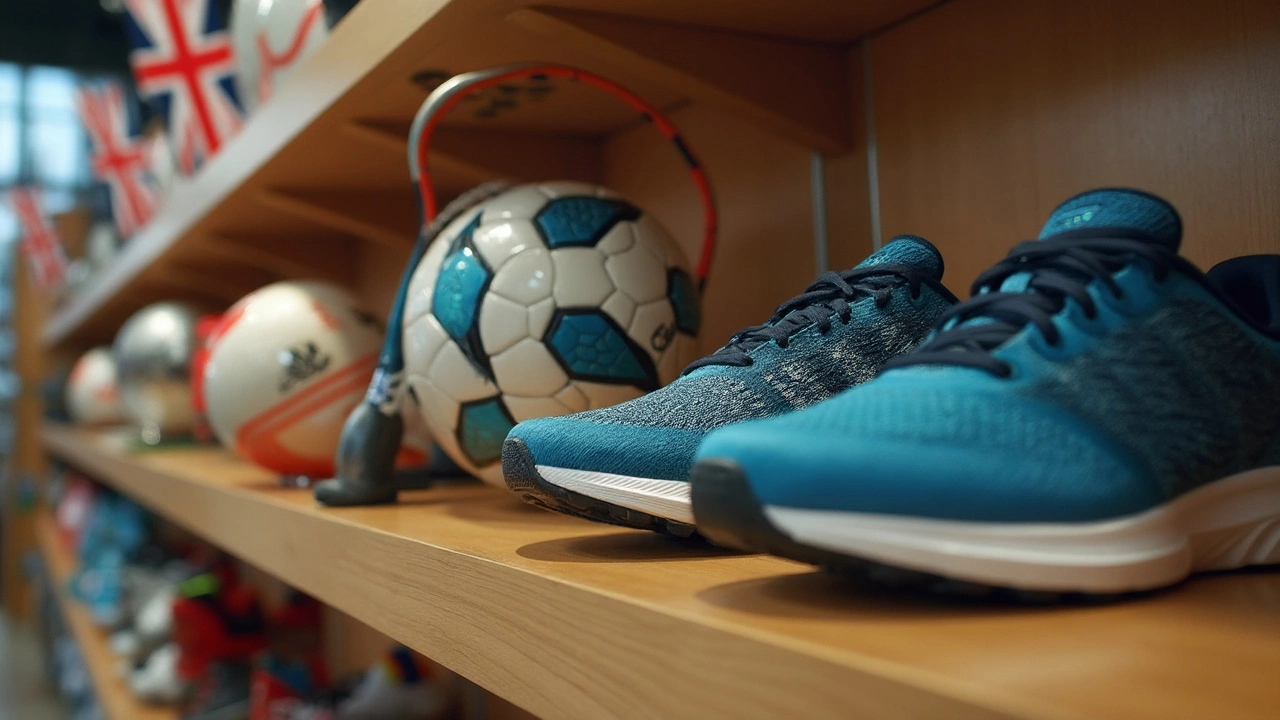
Ever picked up a new racket or set of cleats and wondered what actually makes good sports equipment stand out? This article gets straight into the features you should care about whether you’re playing soccer, tennis, or hitting the gym. From the build materials to how gear keeps you safe, we break down what athletes should check before buying. There are even a few facts that might surprise those who think all equipment is created equal. Learn what separates quality gear from just something that looks flashy.

Sports equipment isn’t just about looks—what really sets it apart are its key characteristics like durability, comfort, and safety. Knowing these features can help you pick gear that performs when you need it most. The right equipment can boost your game while reducing the risk of injury. Each sport has its own specific equipment needs, but a few qualities show up time and again if you want reliable gear. This article breaks down what to look for and how these qualities impact your performance.
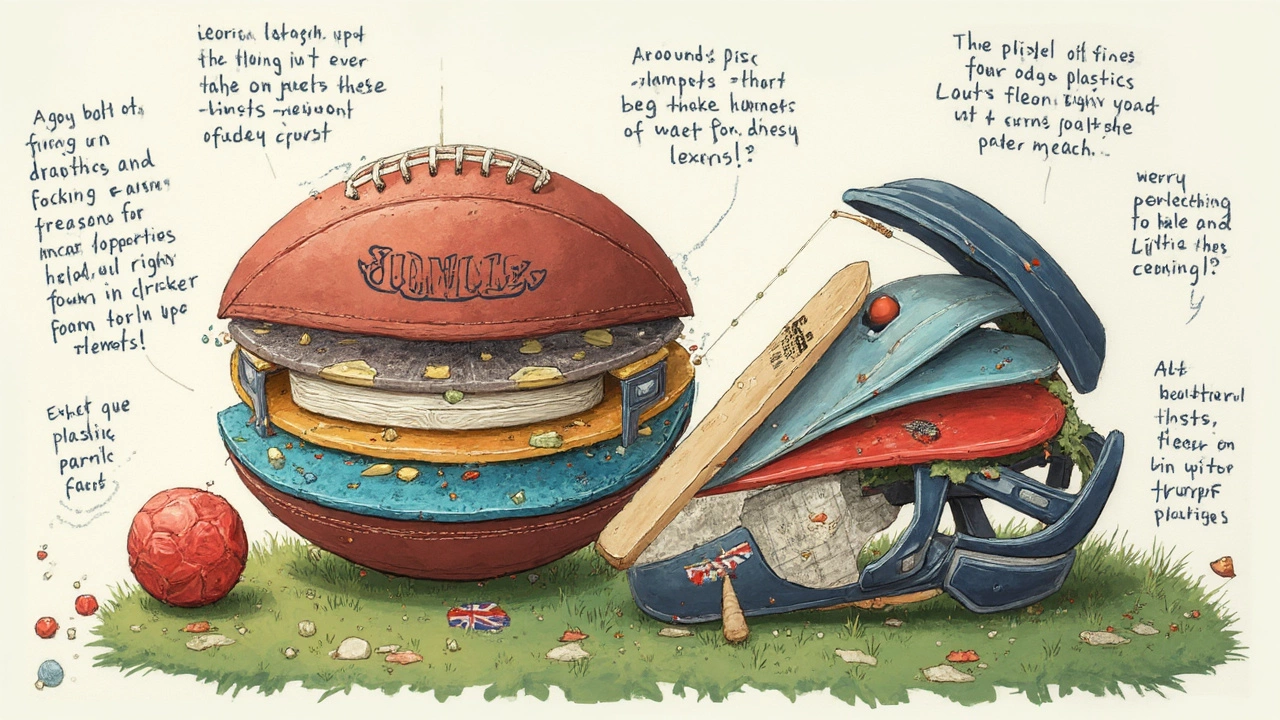
Ever wondered what your sports gear is actually made of? From the plastic in football helmets to the leather on baseball gloves, each material is chosen for a good reason. This article digs into what makes up common sports equipment and why those choices matter for how you play. Get tips on spotting quality gear and learn a few odd facts about what’s inside your favorite equipment. You might be surprised by how much science goes into something as simple as a soccer ball.