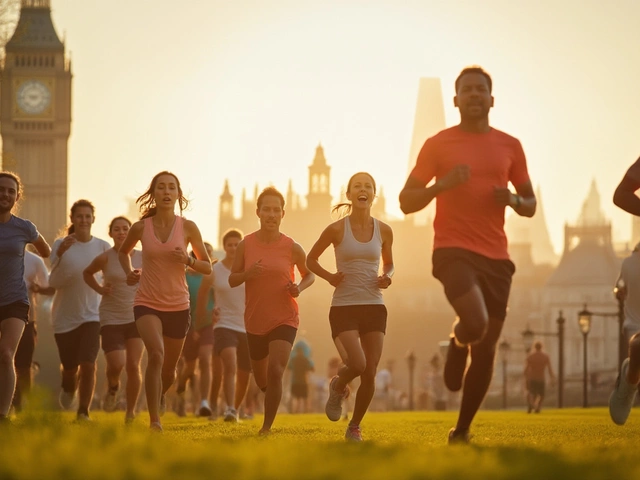
Is Barefoot Running Good? Benefits, Risks, and How to Start
Barefoot Running Readiness & Transition Planner
Not sure if you're ready to ditch the cushion? This tool helps you evaluate risks and creates a safe step-by-step plan based on the science of barefoot running.
Your Profile
Recommended Transition Plan
You’ve probably seen those photos of runners in thin-soled shoes or even no shoes at all, looking like they’re gliding over the pavement. It looks freeing, doesn’t it? But here’s the uncomfortable truth: for many people, switching to barefoot running is a fast track to shin splints and plantar fasciitis if they don’t do it right. The question isn’t just "is it good?"-it’s "is it good for you, and are you ready to relearn how to run?"
Barefoot running challenges decades of conventional wisdom that thick, cushioned shoes protect your feet. In reality, modern running shoes might actually be masking poor form rather than fixing it. This article breaks down the science, the risks, and the practical steps to see if ditching the heavy gear works for your body.
The Core Philosophy Behind Barefoot Running
Barefoot running is a style of running that mimics natural human movement by removing artificial support and cushioning from footwear. Unlike traditional maximalist shoes, which often have high heels (drop) and thick foam midsoles, barefoot or minimalist shoes allow the foot to move freely and provide direct feedback from the ground.
The idea gained massive traction after Daniel Lieberman’s 2010 study published in Nature. He compared habitually barefoot runners in Kenya with shod runners in the US. The finding? Barefoot runners naturally land on their forefoot or midfoot, while shod runners typically land on their heels. Why does this matter? Because heel striking sends a shockwave up your leg with every step. Forefoot striking uses your calf muscles and Achilles tendon as natural shock absorbers.
But let’s be real: humans didn’t evolve running on asphalt. Our ancestors ran on dirt, grass, and uneven terrain. Modern surfaces are hard, flat, and unforgiving. That’s why jumping straight into barefoot running on concrete can be brutal.
Why People Switch: The Potential Benefits
If you’re tired of knee pain or chronic injuries, barefoot running might offer a solution. Here’s what proponents claim, backed by some physiological logic:
- Improved Running Economy: Lighter shoes mean less energy wasted lifting heavy foam. Some studies suggest a 3-4% improvement in oxygen consumption when switching to minimal footwear.
- Stronger Foot Muscles: Your feet have 26 bones and over 30 joints. Traditional shoes act like casts, weakening these structures. Barefoot running forces them to work again.
- Better Proprioception: Feeling the ground improves balance and coordination. Your brain gets immediate feedback about surface texture and angle, helping you adjust your stride instantly.
- Reduced Impact Forces: By encouraging a softer landing, barefoot running may decrease the peak impact load on knees and hips, though it shifts stress to the calves and Achilles.
It’s not magic. You won’t suddenly become faster overnight. But you might find that your body feels more balanced and less prone to certain types of repetitive strain.
The Hidden Risks: What Can Go Wrong?
Here’s where the hype meets reality. Barefoot running isn’t a universal cure-all. If you ignore the transition period, you’re asking for trouble.
| Injury Type | Cause | Symptoms |
|---|---|---|
| Metatarsal Stress Fractures | Rapid increase in mileage without strengthening | Sharp pain on top of the foot, swelling |
| Achilles Tendinitis | Overloading calf/Achilles due to new forefoot strike | Pain above the heel, stiffness in morning |
| Plantar Fasciitis | Lack of arch support during adaptation phase | Stabbing pain in heel, especially first steps in morning |
| Shin Splints | Excessive dorsiflexion (toes pulling up too high) | Pain along the inner edge of the tibia |
The biggest mistake beginners make is thinking, "I’ll just run in my normal shoes but take them off sometimes." No. Changing your footwear changes your biomechanics. If you keep your old heel-striking gait in zero-drop shoes, you will get injured. You must change how you land.
Barefoot vs. Minimalist Shoes: Which Is Better?
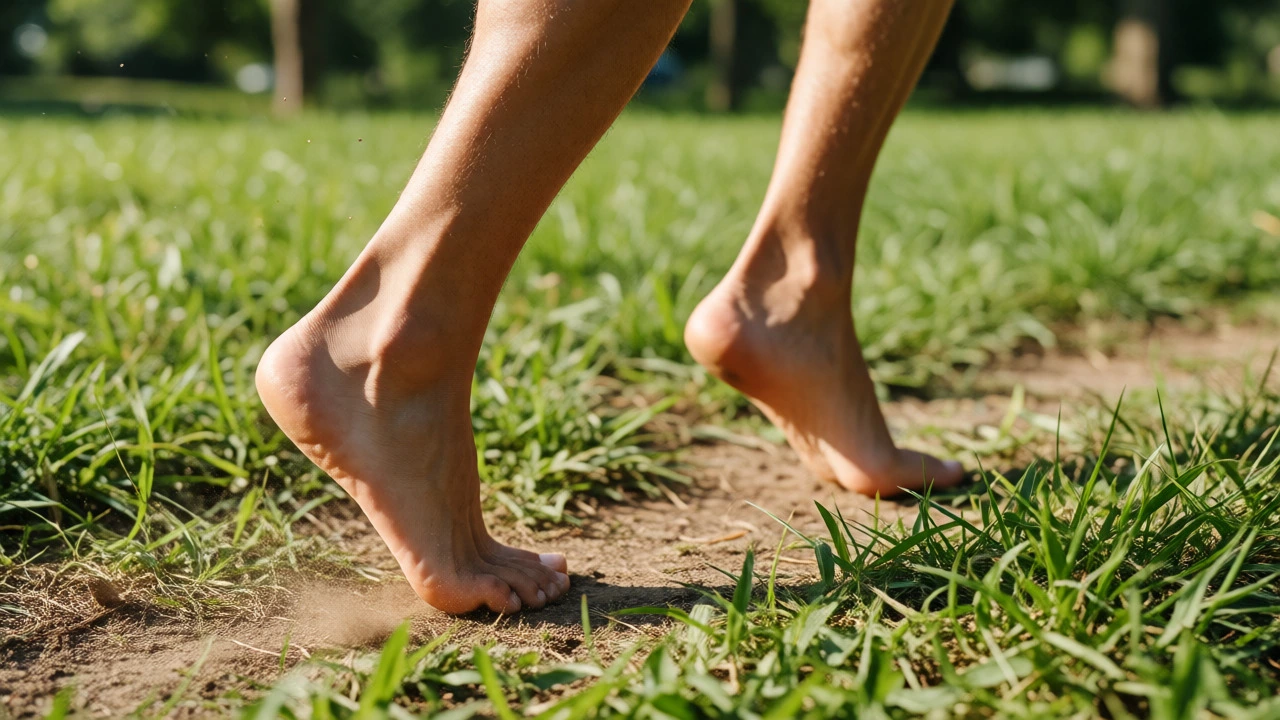
Very few people run completely barefoot outside of beaches or tracks. Most use minimalist shoes like Vibram FiveFingers, Merrell Vapor Glove, or Altra Vanish Carbon. These provide protection from glass and hot pavement while maintaining flexibility and a low stack height.
For most urban runners, minimalist shoes are the safer bet. They offer a compromise: you get the sensory feedback and muscle engagement without the risk of stepping on a hidden tack. However, not all "minimalist" shoes are created equal. Check these specs:
- Drop: Look for 0mm drop (heel and toe at same height). Anything higher than 4mm starts altering your posture.
- Stack Height: Should be under 8mm for true minimalism. Above 15mm is just a regular shoe with marketing.
- Flexibility: Twist the shoe. If it resists bending, it’s not doing its job.
- Width: Wide toe boxes allow splay, which stabilizes your foot. Narrow toes compress nerves and reduce balance.
How to Transition Safely: A Step-by-Step Guide
This is the most critical part. If you skip this, you’re gambling with your health. The rule of thumb? Start stupidly slow.
- Weeks 1-2: Walk Only. Wear your minimalist shoes for daily walks. Get used to the lack of support. Do calf stretches daily.
- Weeks 3-4: Short Intervals. Run for 1 minute, walk for 4 minutes. Repeat 5 times. Total running time: 5 minutes per session. Stop before you feel fatigued.
- Weeks 5-8: Increase Volume. Add 10% to your total barefoot/minimalist running volume each week. Keep intensity low. Focus on cadence-aim for 170-180 steps per minute. Higher cadence reduces overstriding.
- Month 3+: Full Integration. Gradually replace more of your weekly mileage. Listen to your body. If your calves scream, back off for two days.
Remember: Your calves and feet need to build strength. This takes months, not weeks. Treat it like learning a new instrument. You wouldn’t play a concerto on day one.
Who Should Avoid Barefoot Running?
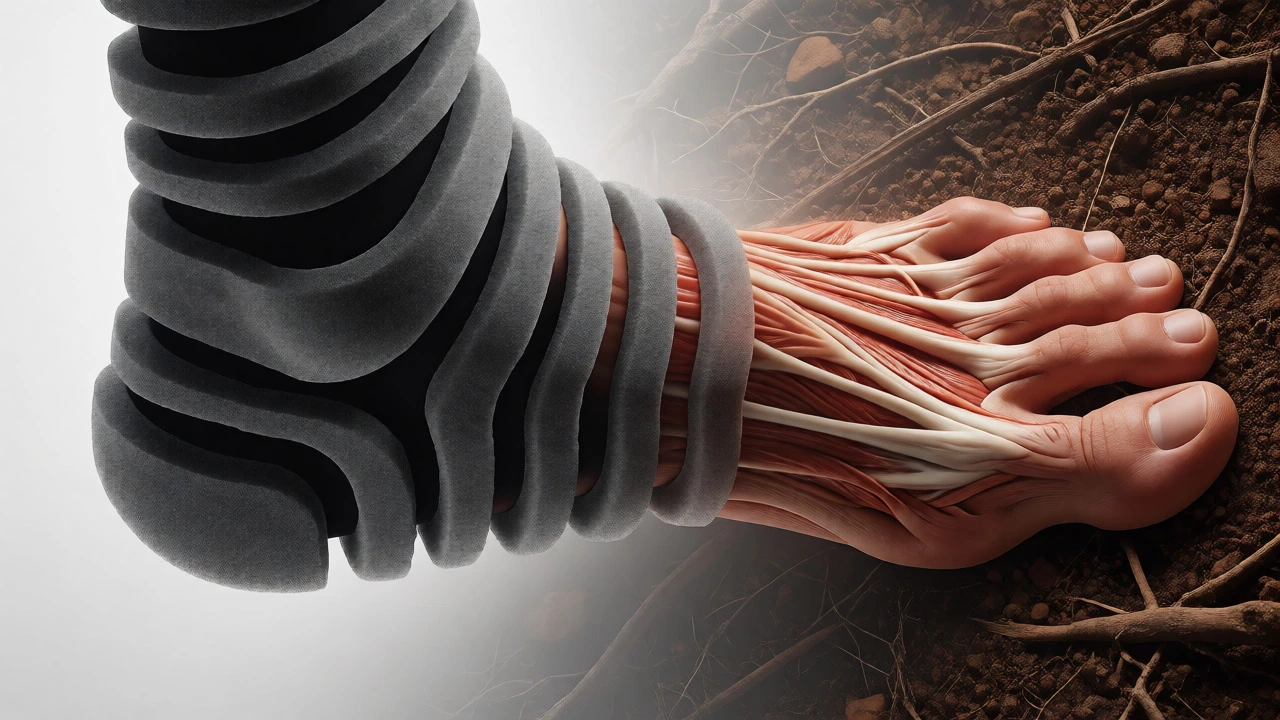
Not everyone benefits from this approach. Consult a physical therapist or podiatrist if you fall into these categories:
- Diabetics: Reduced sensation in feet increases risk of unnoticed cuts or ulcers.
- Severe Flat Feet or High Arches: Extreme structural issues may require orthotics that minimalist shoes can’t accommodate.
- History of Stress Fractures: Your bone density might not handle the increased load immediately.
- Obesity: Higher body mass amplifies impact forces. Start with walking only.
If you have existing knee pain, barefoot running might help. But if you have current Achilles or calf issues, wait until you’re fully healed before trying.
Practical Tips for Success
Once you’re committed, small habits make a huge difference. First, shorten your stride. Overstriding is the enemy. Land with your foot directly under your center of gravity, not out in front of you. Imagine you’re running on ice-you naturally take shorter, quicker steps.
Second, relax your upper body. Tension travels down. Loose shoulders and arms help maintain a fluid motion. Third, vary your terrain. Grass and trails are gentler than concrete. Use soft surfaces to build strength before tackling roads.
Finally, strengthen your feet. Simple exercises like towel scrunches, marble pickups, and single-leg balances pay dividends. Strong feet resist injury better than any shoe ever could.
Can I run marathons in barefoot shoes?
Yes, many ultramarathoners and marathoners successfully use minimalist shoes. However, they typically train exclusively in them for years before attempting long races. It requires significant conditioning and careful pacing to avoid late-race fatigue in the calves.
Do barefoot shoes cause plantar fasciitis?
They can if you transition too quickly. Plantar fasciitis often results from sudden overload on unconditioned tissues. Slow progression and proper stretching usually prevent this. Conversely, some runners find relief from plantar fasciitis symptoms once adapted, as the foot strengthens.
Are Vibram FiveFingers still popular?
While less ubiquitous than in the early 2010s, Vibram remains a key player. Many runners prefer other brands now for aesthetics or slightly more cushioning, but the five-toe design offers unique toe separation benefits for balance and grip.
How long does the transition take?
A safe full transition typically takes 3 to 6 months. Rushing leads to injury. Your tendons and bones adapt slower than your muscles, so patience is non-negotiable.
Is barefoot running bad for knees?
Generally, no. Studies suggest it may reduce knee joint loading because forefoot striking dissipates impact in the ankle/calf complex. However, it increases load on the Achilles tendon and metatarsals, shifting the injury risk rather than eliminating it.