What Are the Sports Equipment You Need for Common Activities?
When you think of sports, you probably picture athletes in action - sprinting, swinging, diving, tackling. But none of that happens without the right gear. Sports equipment isn’t just stuff you buy at a store. It’s the tool that turns effort into performance. Without the right equipment, even the most trained athlete can’t do their job safely or effectively.
What Exactly Counts as Sports Equipment?
Sports equipment includes anything you use to play, train for, or protect yourself during physical activity. It’s not just the big stuff like a basketball or a soccer ball. It’s the shoes on your feet, the gloves on your hands, the helmet on your head, the straps holding your knee brace in place. Everything that helps you move, control, or survive the game counts.
Some gear is mandatory - like a helmet in football or shin guards in soccer. Other gear is optional but still critical - like running shoes that give you cushioning or a tennis racket that matches your swing style. The wrong equipment doesn’t just hurt performance; it increases injury risk.
Essential Sports Equipment by Activity
Not all sports need the same gear. Here’s what you actually need for the most common activities.
Running
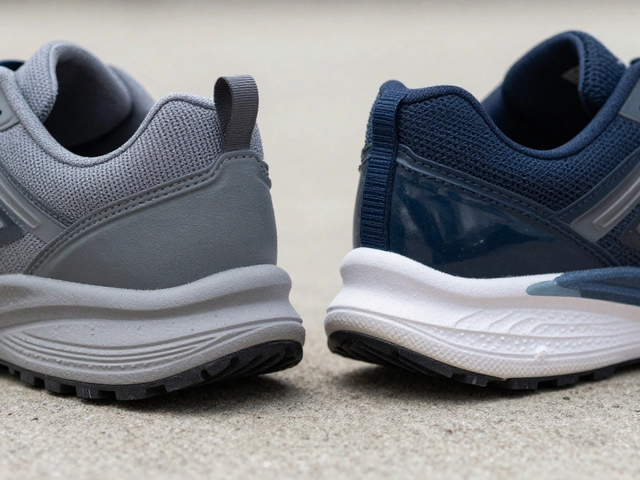
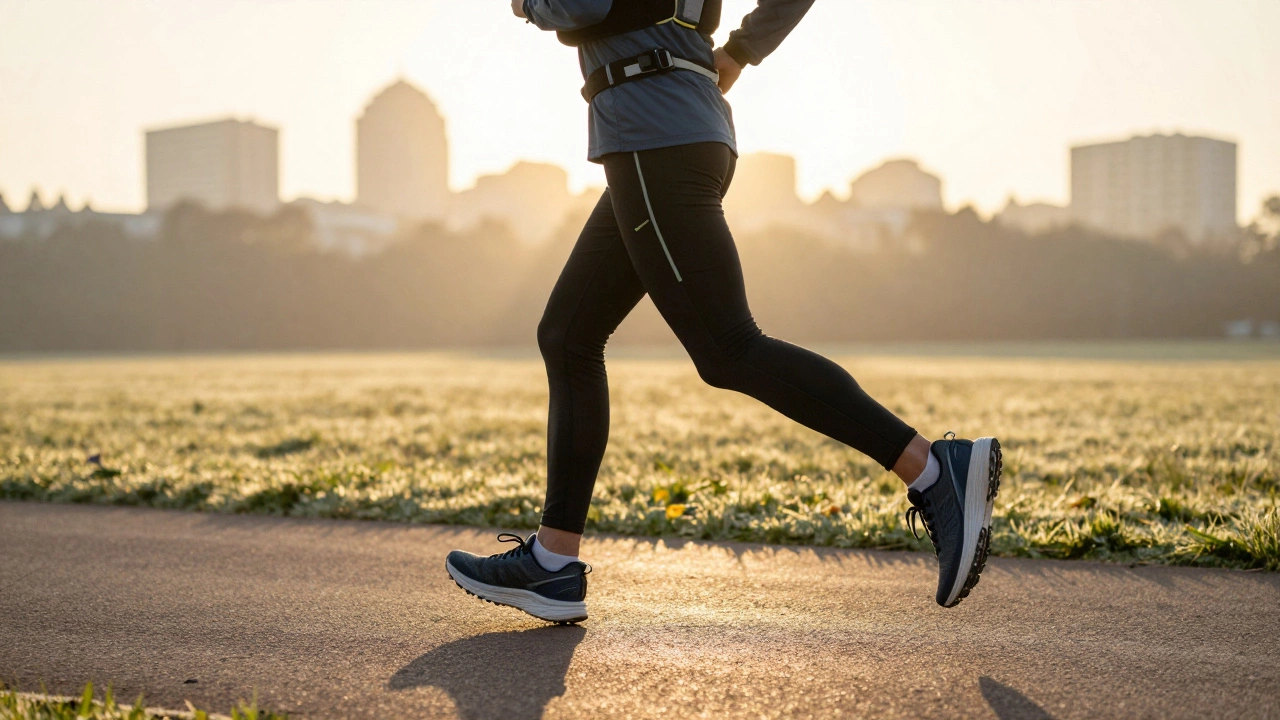
Running seems simple - put on shoes and go. But bad shoes cause knee pain, plantar fasciitis, and stress fractures. Good running shoes have cushioning matched to your foot type (neutral, overpronated, or supinated), breathable uppers, and a sole that matches your stride. Brands like Nike, Brooks, and Hoka have models tested on real runners, not just lab benches.
Beyond shoes, you need moisture-wicking socks (cotton holds sweat and causes blisters), a lightweight running vest or shorts, and a hydration belt if you’re running longer than 5 miles. Reflective gear is non-negotiable if you run at dawn or dusk.
Team Sports: Soccer, Basketball, Football, Rugby
Team sports demand protective gear and performance tools.
- Soccer: Cleats, shin guards, socks that hold the guards in place, and a size 5 ball. Goalkeepers need gloves with grip and padding.
- Basketball: High-top or mid-top shoes with ankle support, moisture-wicking shorts and jersey, and a regulation-size ball (size 7 for men, size 6 for women).
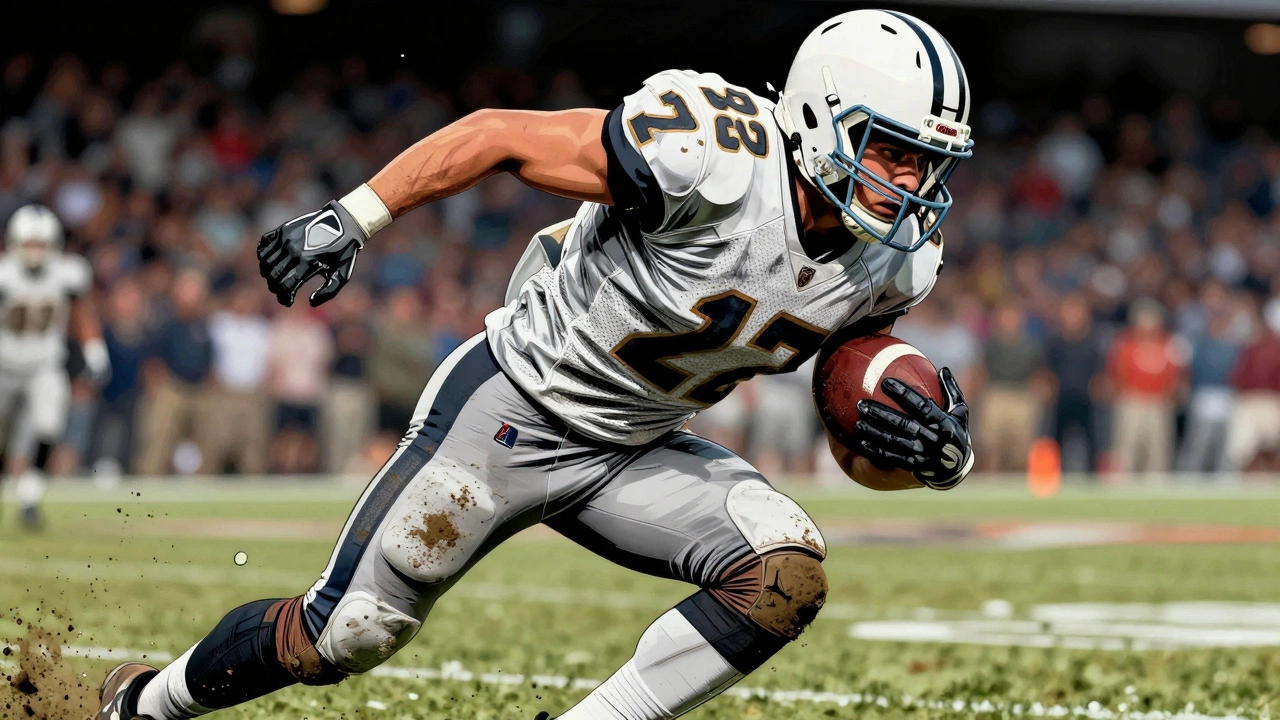
- American Football: Helmet with face mask, shoulder pads, hip and tailbone pads, thigh and knee pads, mouthguard, cleats, and a durable ball. This gear isn’t optional - it’s lifesaving.
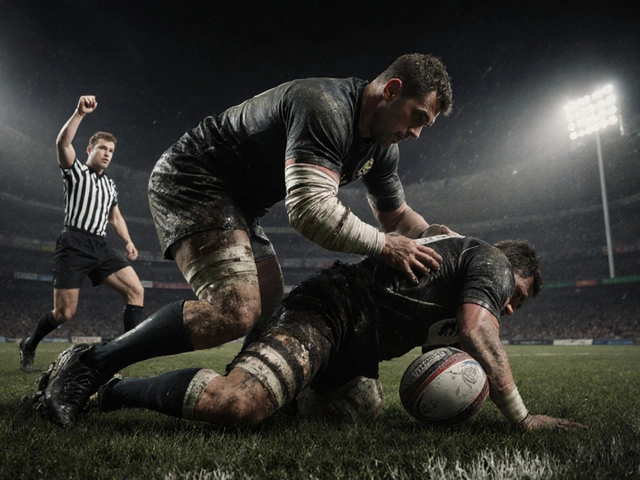
- Rugby: Mouthguard, lightweight padded jersey, rugby boots with studs, and optional headgear (not a helmet - it’s designed to absorb impact, not stop it).
Many players buy gear based on brand or color. But fit matters more. A helmet that shifts during a hit is useless. Cleats that don’t grip the field cause slips. Always try gear on and move in it before buying.
Individual Sports: Tennis, Golf, Swimming
These sports rely on precision, so equipment is highly specialized.
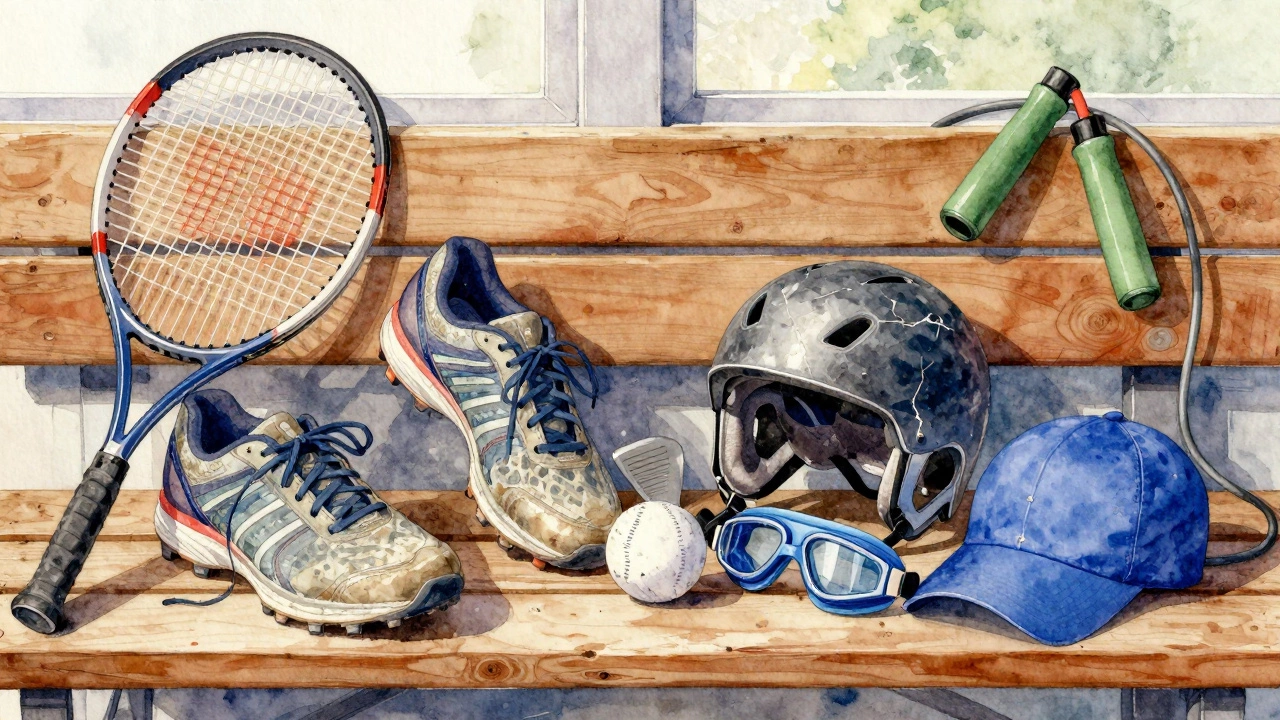
- Tennis: Racket weight and balance affect power and control. Beginners often use lighter rackets (9-10 oz) with larger heads. Strings matter too - polyester gives spin, natural gut gives feel. Tennis balls are pressurized and lose bounce after 3-5 hours of play.
- Golf: Clubs are numbered by loft and purpose: driver, fairway woods, hybrids, irons, wedges, and putter. A full set has 14 clubs - the legal limit. Golf balls vary in compression (soft for slower swings, hard for faster ones). Shoes have spikes or soft cleats for grip on turf.
- Swimming: A properly fitted swimsuit (competitive suits are made of polyurethane or polyester), goggles that seal without leaking, and a swim cap to reduce drag. Competitive swimmers also use kickboards, pull buoys, and hand paddles for training.
Strength and Fitness Training
Weightlifting, bodyweight training, and cardio machines all need specific gear.
- Barbells and dumbbells: Standard Olympic bars weigh 45 lbs (20 kg) and are 7 feet long. Plates come in 2.5, 5, 10, 25, 35, and 45 lb sizes. Collars keep weights from sliding.
- Resistance bands: Color-coded by tension (yellow = light, black = heavy). Great for mobility and rehab.
- Exercise mats: At least 1/2 inch thick for floor exercises. Avoid thin yoga mats - they don’t protect your spine.
- Weightlifting belts: Not for beginners. Only use when lifting over 80% of your max to support your lower back.
- Jump ropes: Adjustable length matters. Your feet should clear the rope by 2-4 inches. Speed ropes (thin steel) are for high reps; weighted ropes build strength.
What Not to Skimp On
Some gear is cheap and replaceable - like sweatbands or disposable water bottles. Other gear is non-negotiable.
Protective gear: Helmets, mouthguards, and shin guards save lives. A 2023 study in the Journal of Athletic Training found that athletes who skipped mouthguards were 60% more likely to suffer dental injuries. Don’t gamble with your teeth or brain.
Footwear: Wearing running shoes for basketball or cleats for the gym causes ankle rolls and tendonitis. Each sport has a unique movement pattern. Shoes are engineered for that.
Proper sizing: A helmet that’s too big won’t stay put. Gloves that are too tight cut off circulation. Always check manufacturer size charts - don’t guess.
How to Choose Equipment That Lasts
Good equipment doesn’t break after a few uses. Here’s how to pick gear that lasts:
- Look for reputable brands with warranties - Wilson, Adidas, Under Armour, and Decathlon have reliable return policies.
- Check material quality. Polyester blends last longer than cotton. Rubber soles with deep treads grip better than flat ones.
- Read real user reviews, not just star ratings. Look for comments like “broke after 3 months” or “still going strong after 2 years.”
- Buy from stores that let you test gear. Many sporting goods stores have demo programs for rackets, bikes, and skis.
- Replace gear when it shows wear. A cracked helmet, frayed rope, or worn-out shoe sole is a hazard.
Where to Buy and What to Avoid
You can buy sports equipment online, at big-box stores, or specialty shops. Each has pros and cons.
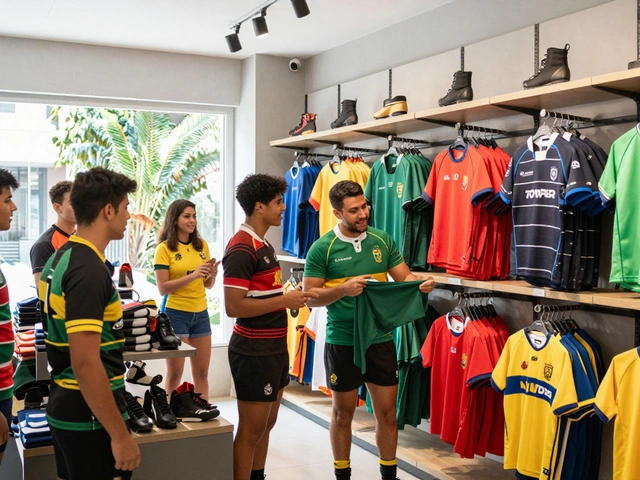
- Specialty stores: Staff are usually athletes or coaches. They can help you find the right fit and recommend based on your level. Best for complex gear like bikes, golf clubs, or running shoes.
- Big-box retailers (Dick’s, Walmart): Cheaper, but selection is limited. Good for basics like balls, jump ropes, or water bottles.
- Online marketplaces (Amazon, eBay): Risky. Counterfeit gear is common - especially shoes and helmets. Always check seller ratings and return policies.
Avoid knock-offs. A fake Nike running shoe might look real, but the midsole foam is often made from low-grade EVA that collapses after 50 miles. You’ll end up paying twice - once for the fake, once for the injury.
Equipment Maintenance Tips
Your gear lasts longer if you care for it.
- Wash sports clothes after every use. Sweat breaks down fabric and causes odors.
- Let shoes air out after use. Don’t store them in a gym bag.
- Store rackets and bats in a cool, dry place. Heat warps frames.
- Check inflation on balls weekly. Underinflated balls affect bounce and control.
- Replace strings on rackets every 30-40 hours of play. Old strings lose tension and power.
Final Thought: Gear Is an Investment, Not an Expense
Good sports equipment doesn’t just help you play better - it helps you stay in the game longer. A $120 pair of running shoes might seem expensive. But if they prevent a stress fracture that costs you six months of training? That’s a bargain.
Don’t buy the cheapest thing. Don’t buy the most expensive thing. Buy the right thing for your sport, your body, and your level. The right gear turns effort into results - and keeps you moving for years to come.
What are the basic sports equipment for beginners?
For most beginners, start with footwear suited to your activity - running shoes for jogging, athletic sneakers for gym work. Add moisture-wicking clothes, a water bottle, and a jump rope or resistance band. If you’re playing a team sport like soccer or basketball, get the required protective gear like shin guards or ankle support. Avoid buying everything at once - focus on essentials first.
Is expensive sports equipment always better?
Not always. High-end gear often has better materials, more precise engineering, and longer durability - but only if it matches your skill level. A pro tennis racket with heavy weight and low string tension won’t help a beginner. Many affordable brands like Decathlon or Wilson’s entry-level lines offer 90% of the performance at half the price. Focus on fit and function, not brand logos.
Can I use the same equipment for multiple sports?
Some gear is cross-compatible - like athletic shorts, moisture-wicking shirts, or resistance bands. But shoes and protective gear are sport-specific. Running shoes lack lateral support for basketball. Football cleats are too heavy for soccer. Using the wrong gear increases injury risk. Stick to equipment designed for the activity you’re doing.
How often should I replace sports equipment?
Replace running shoes every 300-500 miles. Tennis rackets every 1-2 years if you play regularly. Helmets and mouthguards should be replaced after any impact or every 2-3 years, even without visible damage. Swimwear loses elasticity after 40-50 washes. Check for wear: cracks, fraying, flattening, or loss of grip. When in doubt, replace it.
Do I need different equipment for indoor vs. outdoor sports?
Yes. Outdoor sports need weather-resistant gear - water-repellent jackets, grippy soles for wet surfaces, UV-protective clothing. Indoor sports require shoes with non-marking soles for gym floors and less wind resistance. For example, outdoor basketball shoes have deeper treads; indoor ones are flat and sticky. Don’t use outdoor cleats on a hardwood court - they’ll damage the floor and increase slip risk.