What is Football Officially Called? The Global Naming Debate

Football Terminology Guide
Confused about whether to say "football" or "soccer"? Select your region and context below to find the most appropriate term.
Recommended Term:
You’re standing in a pub in London, ordering a beer, and the guy next to you asks if you watched the football match last night. You nod enthusiastically. Then he adds, "Did you see that great goal in soccer?" You freeze. Did he just call it two different things? If you’ve ever traveled internationally or scrolled through social media during the World Cup, you know this naming chaos well. It’s not just a trivial debate; it’s a clash of history, culture, and regional pride.
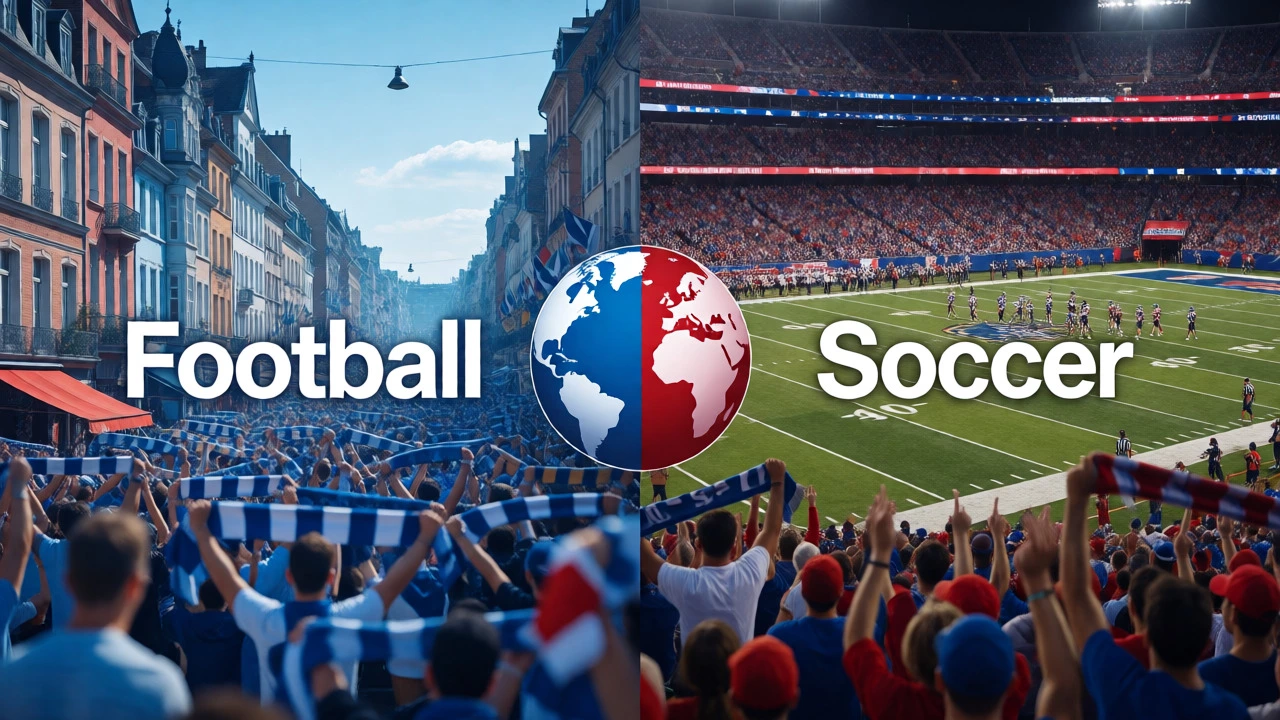
The short answer to "what is football officially called?" depends entirely on where you are standing. But if we look at the governing bodies and international standards, there is a clear winner for the official term: Association Football. This is the formal name recognized by FIFA, the sport's global governing body. However, in everyday conversation, most of the world simply calls it "football," while countries like the United States, Canada, and Australia often use "soccer." Understanding why requires digging into the sport’s Victorian-era roots.
The Historical Origin of the Name
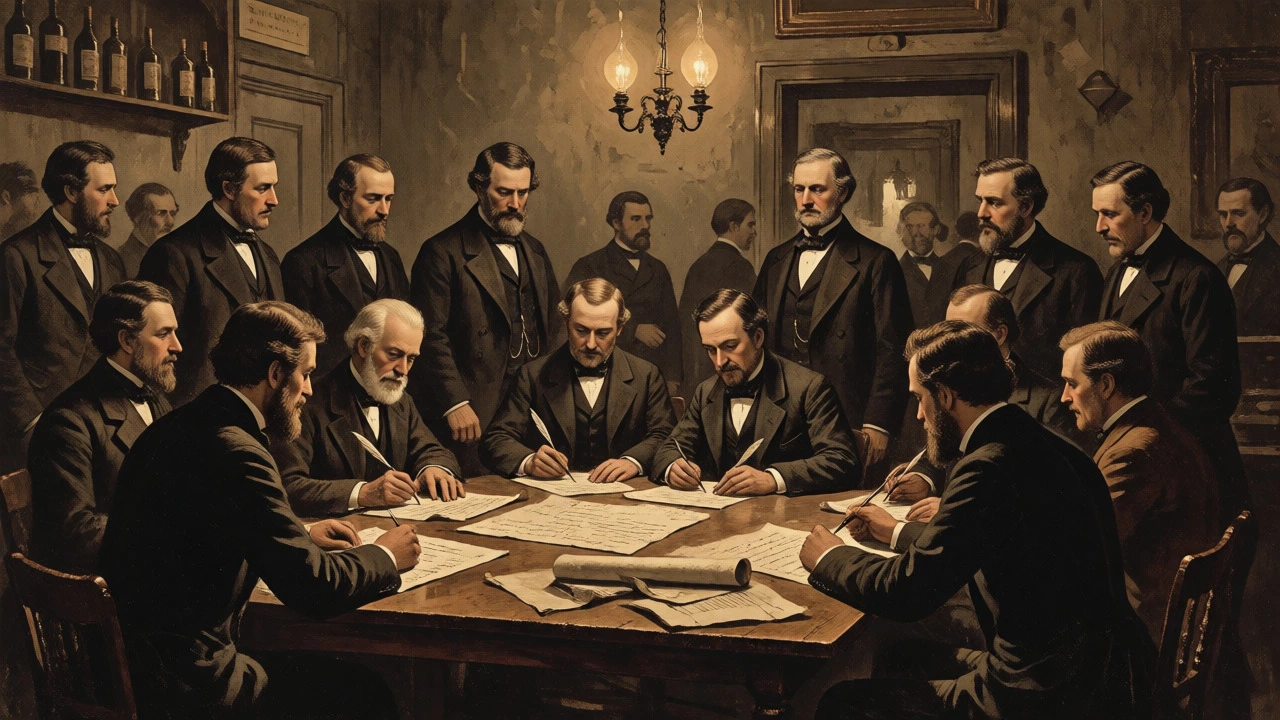
To understand the name, you have to go back to 19th-century England. Before standardized rules existed, various forms of "folk football" were played in villages across Britain. These games were chaotic, violent, and had no consistent rules. In 1863, representatives from several clubs met at the Freemasons' Tavern in London to standardize the game. They formed the Football Association (FA), creating a distinct set of rules that separated their code from other variations like Rugby Football.
This new code was initially called "Association Football" to distinguish it from "Rugby Football." Over time, students at Oxford University created slang terms using the suffix "-er" to shorten words. "Rugby" became "rugger," and "Association" became "assoccer," which eventually shortened to "soccer." So, historically, "soccer" was an English invention designed to differentiate association football from rugby. It wasn’t until the mid-20th century that American influence popularized the term globally, causing confusion elsewhere.
Regional Differences in Terminology
If you ask someone in Brazil what they play, they’ll say "futebol." In Germany, it’s "Fußball." In France, it’s "football." Notice a pattern? Most of the world uses a direct translation of "football." Why? Because the sport is defined by kicking the ball with the foot. The word "soccer" actually fell out of favor in the UK around the 1970s and 80s because it started sounding too American. Britons wanted to reclaim the word "football" as their own exclusive term.
In contrast, countries with strong indigenous or existing football codes-like American football, Australian Rules football, or Gaelic football-needed a way to distinguish the British import from their local games. In the US, "football" already meant the gridiron game. Calling the round-ball game "football" would cause endless confusion. Thus, "soccer" stuck. Similarly, in Australia, where Australian Rules football is massive, "soccer" was the default term for decades, though recent efforts by the national federation (now Football Australia) have tried to rebrand the sport as "football" to align with global trends.
| Region | Common Term | Official/Governing Body Usage | Reason for Choice |
|---|---|---|---|
| United Kingdom | Football | Association Football / Football | Historical origin; rejection of Americanism |
| United States | Soccer | Soccer / Soccer USA | Differentiation from American Football |
| Australia | Soccer (historically), Football (current push) | Football Australia | Differentiation from Aussie Rules; global alignment |
| Canada | Soccer | Canada Soccer | Differentiation from Canadian Football |
| Rest of World | Football (or local equivalent) | Football | Lack of competing "football" codes |
What Does FIFA Say?
FIFA stands for Fédération Internationale de Football Association. Even the acronym contains the full name: International Federation of Association Football. This confirms that "Association Football" is the technical, legal, and official name used in statutes, rulebooks, and contracts.
However, FIFA also recognizes the practical reality of language. Their marketing materials, website, and broadcasts adapt to the audience. When broadcasting to the US, they might use "soccer" in subtitles or commentary cues. When broadcasting to Europe, it’s always "football." The Laws of the Game, published annually by the International Football Association Board (IFAB), consistently refer to the sport as "football." For example, Law 1 discusses "The Field of Play," Law 3 covers "Players," and Law 10 determines "The Outcome of a Match." Nowhere in these laws does the word "soccer" appear.
Why the Confusion Persists Today
You might wonder why this debate hasn't died down yet. Part of it is cultural identity. For many Americans, calling it "soccer" is a point of pride-it acknowledges their unique sporting landscape. For Britons, insisting on "football" is a defense of heritage against perceived American cultural imperialism. There’s also the rise of other sports. In Ireland, "football" can mean Gaelic football, so people specify "soccer" or "association football" to be clear. In South Africa, "soccer" remains common due to historical ties and the presence of rugby and cricket.
Another factor is digital communication. Online forums, Reddit threads, and Twitter debates amplify these linguistic differences. A user from New York might post about "the best soccer player," only to be corrected by a user from Manchester who says, "It’s football, mate." These interactions reinforce the divide rather than bridging it. Yet, among younger generations and in international contexts like the Olympics or World Cups, there’s a growing acceptance of both terms, provided the context is clear.
How to Use the Terms Correctly
So, what should you do when writing or speaking? Context is king. If you’re writing for a global audience, "football" is generally safer, but adding "(soccer)" in parentheses on first mention can help clarity. If you’re writing for a US audience, "soccer" is expected. If you’re discussing the official rules, history, or governance, use "association football."
Here’s a quick cheat sheet:
- Use "Soccer": When talking to North Americans, or when distinguishing from American/Australian/Gaelic football in those regions.
- Use "Football": When talking to Europeans, Africans, Asians, or South Americans. Also use it in formal international contexts.
- Use "Association Football": When writing academically, legally, or referring to the specific code governed by FIFA and IFAB.
Remember, neither term is wrong. Language evolves based on usage. The fact that both terms exist reflects the global spread of the sport and the diverse cultures that adopted it. The key is knowing your audience. If you’re in Adelaide, you’ll hear both, but "soccer" is still widely understood despite the federation’s push for "football." If you’re in London, saying "soccer" might get you a puzzled look, unless you’re joking.
Related Sports and Naming Conflicts
The naming issue isn’t isolated to association football. It’s part of a broader phenomenon where sports share generic names. "Basketball" is universal, but "football" is contested. This leads to interesting hybrids. In some parts of the world, "football" refers to any game involving a ball and feet, including futsal or beach soccer. But strictly speaking, these are variants of association football.
Consider Rugby. Like association football, it originated in England and split off from early football codes. Rugby has its own global consistency in naming, mostly because it didn’t face the same level of competition from a dominant local variant in most countries. The exception is again North America, where "rugby" is clearly distinguished from "American football."
Similarly, American Football is rarely called just "football" outside the US. This helps avoid confusion, but it highlights how powerful domestic sports cultures are in shaping language. If American football hadn’t become so dominant in the US, the rest of the world might have successfully pressured Americans to drop the "soccer" label long ago.
Conclusion: Embracing the Double Standard
There is no single "correct" answer to what football is officially called in casual conversation. Officially, it’s association football. Practically, it’s football to most of the planet and soccer to a few wealthy nations. Instead of fighting over terminology, appreciate the diversity. The fact that one sport can be called two things without losing its essence shows how adaptable and universally loved it is. Whether you call it football, soccer, futebol, or calcio, the joy of watching a perfectly struck free kick remains the same.
Is soccer really an American word?
No, it’s not. The term "soccer" originated in England in the late 19th century as a slang abbreviation for "Association Football." It was commonly used in Britain until the mid-20th century before falling out of favor in favor of "football." Its persistence in the US, Canada, and Australia helped keep the term alive globally.
Why do Americans call it soccer?
Americans call it soccer primarily to distinguish it from American football, which is much more popular in the US. Since "football" was already claimed by the gridiron sport, using the historical term "soccer" prevented confusion. This distinction is necessary because both sports involve players, balls, and fields, but the rules and gameplay are vastly different.
What is the official name of football according to FIFA?
According to FIFA (Fédération Internationale de Football Association), the official name of the sport is "Association Football." This is evident in their full name and in the official "Laws of the Game" published by IFAB. While FIFA adapts its marketing language to local audiences, "Association Football" remains the formal designation in all legal and regulatory documents.
Do Australians still call it soccer?
Yes, many Australians still use the term "soccer," although there is a growing shift toward "football." The national governing body changed its name from the Football Federation Australia to Football Australia in 2020 to encourage the use of "football." However, due to the popularity of Australian Rules football, many locals continue to use "soccer" for clarity in everyday conversation.
Is it rude to say soccer in England?
It’s not necessarily rude, but it can be seen as ignorant or overly American. Many Britons prefer "football" and may tease someone who uses "soccer." However, in international settings or when speaking to tourists, it’s generally accepted. The reaction usually depends on the tone and context; friendly banter is common, but aggressive correction can feel snobbish.