Are Brazil Good at Rugby? A Reality Check on the Tupis
Brazil Rugby Reality Check
Select an opponent to see how the Brazilian national team (The Tupis) stacks up in terms of ranking tier and competitive context.
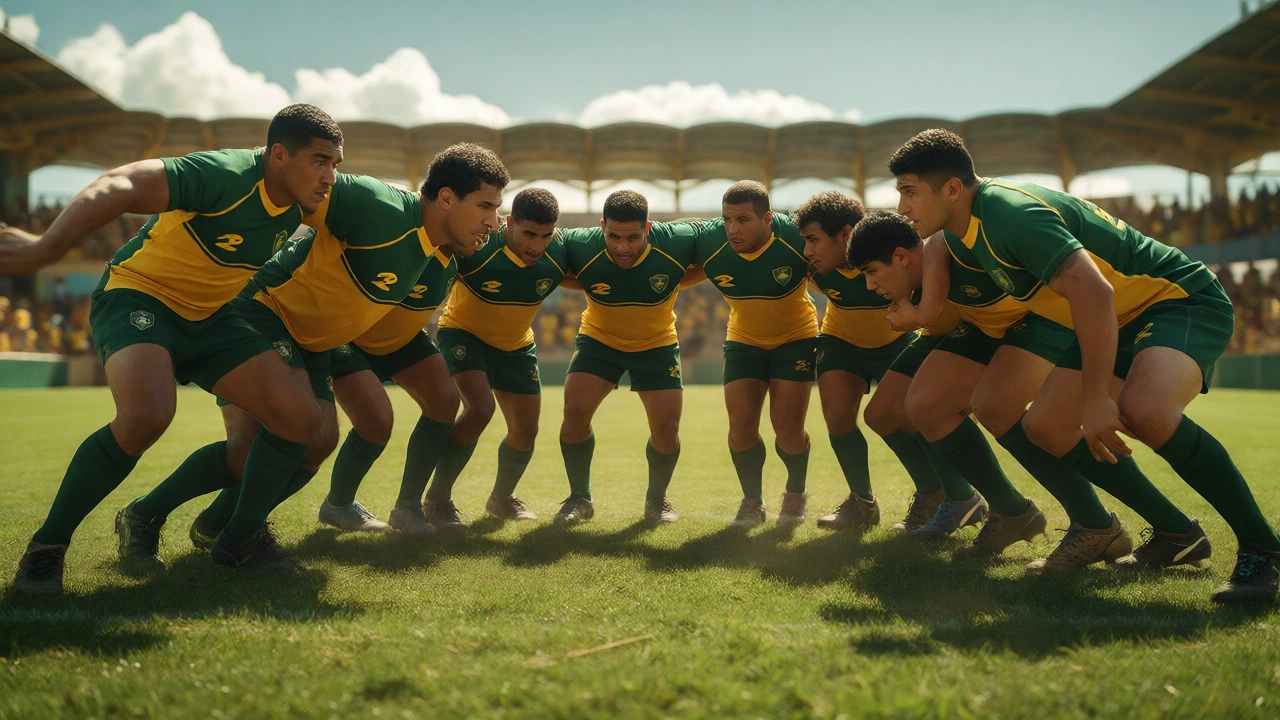
You might see Brazil and immediately picture samba, football legends like Pelé or Neymar, and beaches that stretch forever. But if you’re watching a global tournament or checking rugby fixtures, you’ve probably noticed the green and yellow jersey in a scrum. The question popping up for many fans is simple: Are Brazil good at rugby? The short answer is no, not by global standards. They aren’t competing with New Zealand or England. But that doesn’t mean they are bad. In fact, within their region, they are a powerhouse. Understanding where they fit requires looking past the world stage and into the specific context of South American sport.
To get a clear picture, we need to define what "good" means in rugby. It’s not just about winning every match; it’s about ranking, development pathways, and competitive consistency. The Brazilian national team, known as the Tupis, sits in a tier of professional ambition but limited resources compared to the traditional Six Nations or Rugby Championship teams. If you are looking for a team that will win the World Cup next year, Brazil isn’t it. But if you are interested in a rapidly growing nation that consistently beats its neighbors and occasionally causes an upset against lower-tier European sides, then yes, they are doing something right.
The Current Standing of the Tupis
The Tupis represent the men's national rugby union team of Brazil. They are governed by the Confederação Brasileira de Rugby (CBRu). As of late 2025 and heading into 2026, Brazil typically hovers around the 25th to 30th position in the World Rugby Rankings. This places them firmly in the middle pack globally. They are better than emerging nations in Asia or Africa but significantly behind the top 10 powers like Ireland, France, and South Africa. Why does this matter? Because rugby is a hierarchical sport. Your ranking dictates who you play, how much funding you receive from World Rugby, and whether you qualify directly for major tournaments or have to grind through brutal qualifiers. For Brazil, being ranked around 28th means they are often the underdog in international friendlies but the favorite in regional competitions. This dual identity confuses new fans. You might see them lose heavily to Italy but crush Uruguay the following week. Both results are true reflections of their current ability.
| Team | Typical Ranking Tier | Head-to-Head Context | Key Strength |
|---|---|---|---|
| Argentina | Top 10 | Consistent Losses | Professional Infrastructure |
| Uruguay | Tier 2 | Competitive Rivalry | Experience & Discipline |
| Chile | Tier 3 | Frequent Wins | Physicality |
| USA | Tier 2 | Mixed Results | Player Pool Size |
| Portugal | Tier 2 | Occasional Upsets | Technical Skill |
Why They Aren’t Top Tier Yet
Rugby is expensive. To compete with Australia or England, you need professional leagues, youth academies, and medical support. Brazil struggles here. While Super Rugby franchises in Argentina provide a high-performance pathway, Brazil lacks a fully professional domestic league structure comparable to those in Europe or Oceania. Most players in the Tupis squad hold day jobs or study while playing semi-professionally. This limits training hours and recovery time. Furthermore, the cultural dominance of football cannot be overstated. When a child grows up in São Paulo, the dream is usually to play for Santos or Flamengo, not to join a local rugby club. This talent drain means Brazil misses out on athletes who might have excelled in rugby’s physical demands. The pool of eligible players is smaller, and the depth of competition within the country is lower. Without a robust pipeline, sustaining high-level performance becomes difficult when key players retire or move abroad for work.
Where They Actually Shine
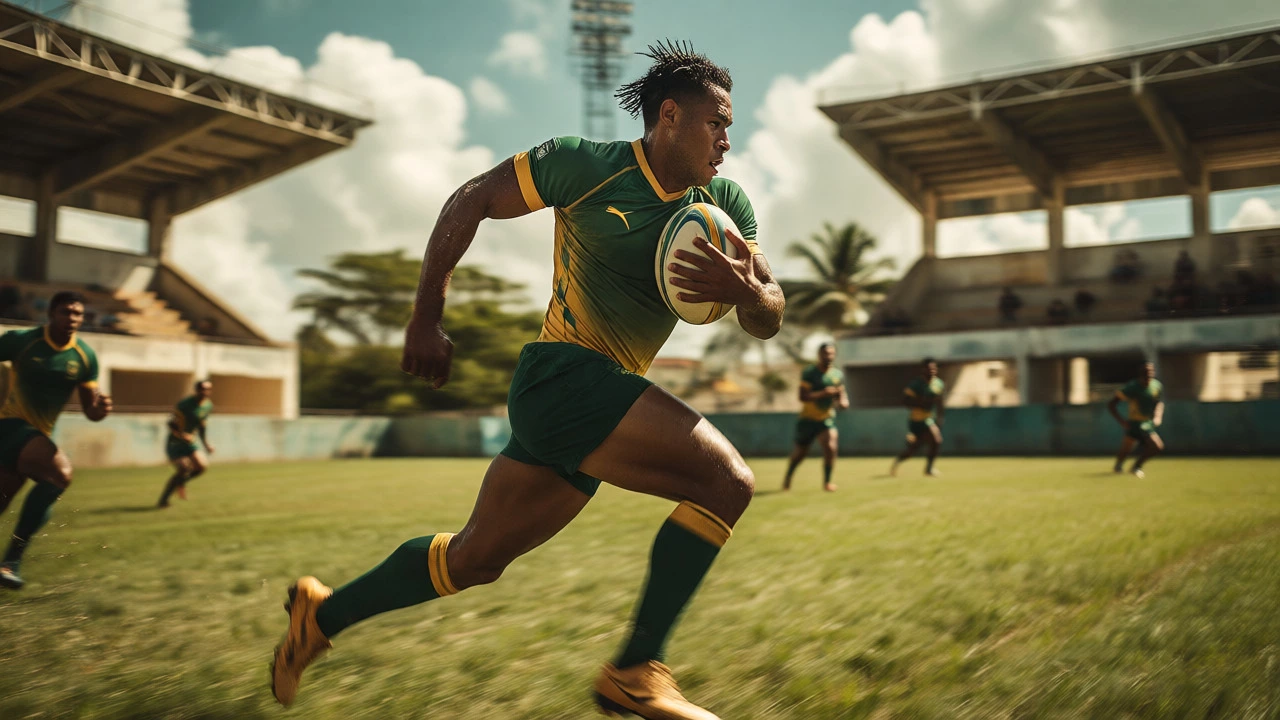
Don’t let the global ranking fool you. In South America, Brazil is a serious contender. They regularly compete in the South American Rugby Championship, where they battle Uruguay, Chile, and Colombia. Against these teams, Brazil is often favored. Their style of play has evolved from raw athleticism to more structured tactics. Coaches have emphasized speed and handling skills, leveraging the natural agility of players who may have backgrounds in other sports like volleyball or athletics. One area where Brazil punches above its weight is in the Rugby Sevens format. Sevens requires less infrastructure and relies more on individual brilliance and fitness. Brazil’s women’s sevens team, in particular, has shown impressive form, qualifying for multiple World Series events. This success feeds back into the 15s code, providing exposure and confidence that trickles down to the men’s side. If you watch a fixture involving Brazil’s sevens squad, you’ll likely see a team that can beat almost anyone on their day.
Notable Matches and Recent Form
History shows moments of brilliance. In the 2019 Rugby World Cup qualifiers, Brazil played aggressively, though they ultimately fell short of qualification. However, their matches against Tier 2 nations like Germany and Kenya have been closely contested. Recently, in preparation cycles leading up to 2027, Brazil has focused on touring North America and Europe to gain experience against higher-ranked opposition. These losses are educational, not indicative of failure. Consider a hypothetical scenario: Brazil hosts Portugal in a friendly. Portugal is ranked higher, but Brazil plays at home in front of passionate fans. The atmosphere shifts the dynamic. Brazil’s forwards, known for their scrummaging power, might dominate set pieces early on. If they capitalize on errors, they can secure a narrow victory. These types of matches are where the "are they good?" debate gets interesting. They aren’t dominant, but they are dangerous.
The Path Forward for Brazilian Rugby
What needs to change for Brazil to break into the top 20? First, investment. The CBRu needs more corporate sponsorship to fund full-time contracts for key players. Second, integration with neighboring unions. Collaborative programs with Argentina could allow young Brazilian talents to train in Buenos Aires’ elite academies. Third, media visibility. Broadcasting more domestic games would help grow the fanbase beyond the niche community. There is also the Olympic angle. With rugby sevens in the Olympics, Brazil’s strong sporting culture supports athlete development. Many potential rugby players come from track and field or soccer. Converting these athletes is a strategic priority. If they can retain even 10% of promising athletes who choose rugby over football, the quality of the national team will rise significantly.
How to Follow the Action
If you want to keep up with the Tupis, don’t just look at World Cup headlines. Follow the regional championships. Watch the Americas Rugby Trophy or the World Rugby Challenger Cup when Brazil qualifies. These tournaments offer the most realistic view of their competitiveness. Look for matches against teams like Canada, USA, and Spain. These are the benchmarks that determine if Brazil is truly improving or stagnating. Also, pay attention to player movements. Are Brazilian players getting contracts in Major League Rugby (MLR) in the USA or Superliga Americana? Increased exposure in foreign leagues raises the standard of play when they return to the national camp. Keep an eye on names like Moisés Duque or Daniel Sancery, who have represented Brazil internationally and gained experience overseas.
Is Brazil qualified for the 2027 Rugby World Cup?
As of October 2026, Brazil is still in the qualification process. They typically enter through regional qualifiers rather than automatic seeding. Qualification depends on their performance in the Americas Rugby Trophy and subsequent inter-regional playoffs. It is a challenging path, requiring wins against strong regional rivals like Canada and potentially USA.
Who is the best rugby player from Brazil?
While there is no single superstar recognized globally, players like Moisés Duque and Daniel Sancery are highly respected in the Americas region. Duque, a fly-half, is known for his tactical kicking and leadership. Sancery, a center, brings physicality and experience from playing in Europe. These players serve as the backbone of the national team.
Does Brazil have a professional rugby league?
Brazil does not have a fully professional domestic league comparable to England’s Premiership or France’s Top 14. The Campeonato Brasileiro de Rugby exists, but it operates largely on a semi-professional basis. Players often balance careers or studies with training, which impacts the overall consistency and intensity of the domestic competition.
Why is rugby not popular in Brazil?
Football (soccer) dominates Brazilian sports culture, absorbing most media attention, funding, and athletic talent. Rugby is seen as a niche sport with limited historical roots. Additionally, the lack of televised coverage and grassroots facilities makes it harder for new fans to engage compared to more accessible sports like basketball or volleyball.
Can Brazil beat Argentina at rugby?
It is very unlikely in the near future. Argentina is a Tier 1 nation with a professional league and decades of development. Brazil is Tier 3. While upsets happen in rugby, the gap in resources, player depth, and experience is significant. Brazil’s realistic goal is to stay competitive against Tier 2 nations like Uruguay and USA.