What Are Fans Called in Golf? Understanding the Term 'Gallery'
Golf Gallery Etiquette Quiz
Are you ready to join the gallery? Answer these scenarios correctly to prove you understand the unspoken rules of professional golf.
Scenario 1: The Tee Box
You are standing near the first tee. A player has just addressed the ball and is beginning their backswing. What should you do?
Scenario 2: The Fairway Move
The leader has hit a long drive down the fairway. You want to move closer to see where it lands. When is it safe to cross the rope line?
Scenario 3: Phone Usage
You receive an important call while watching a player putt for birdie. What is the appropriate action?
Scenario 4: Applause Timing
A player hits a spectacular bunker shot that lands close to the pin. When does the gallery applaud?
Scenario 5: Interaction
You see your favorite player walking between holes. How should you ask for an autograph?
Your Etiquette Score
Answer all questions to see your final rating.
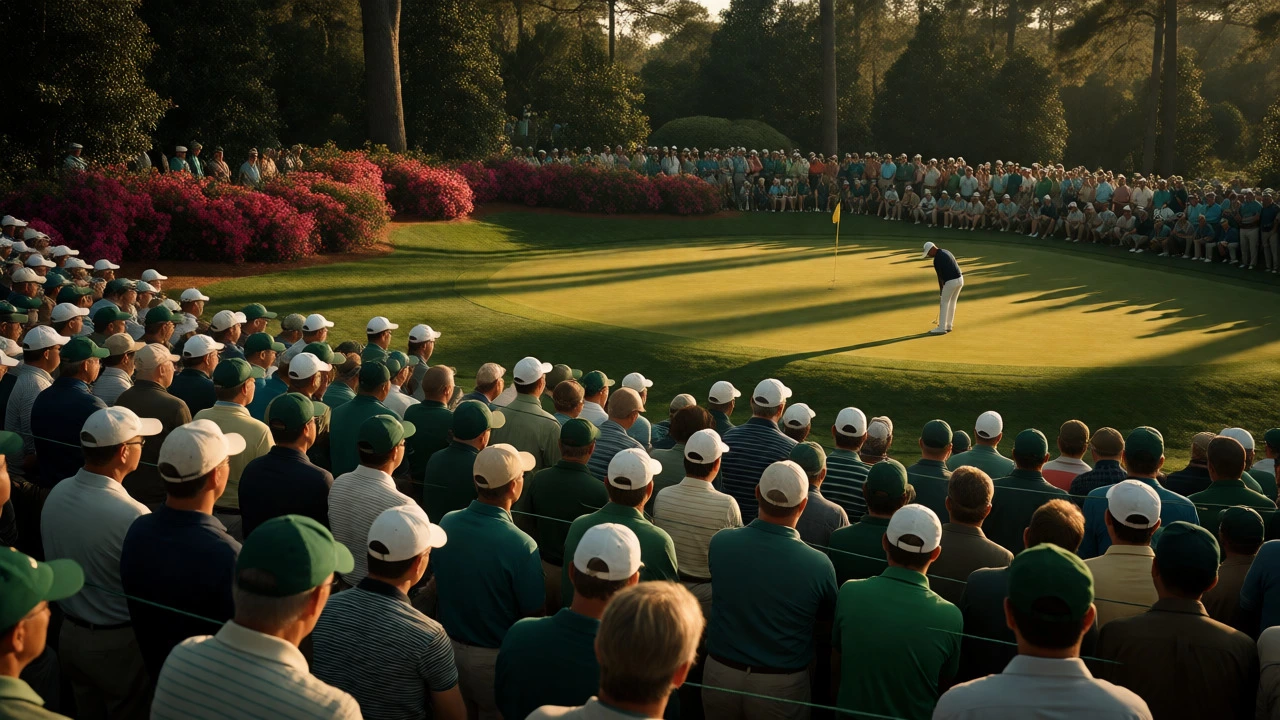
You are standing on the 18th green at Augusta National. The air is thick with tension. A player lines up a putt for the Masters title. Suddenly, a low murmur ripples through the crowd, followed by an eruption of applause. But if you look closely at the rulebooks or listen to commentators, they rarely say "the fans" did that. They refer to the gallery. This isn't just fancy jargon; it's a specific term rooted in history and behavior that defines who gets to watch professional golf.
If you have ever wondered why we don't call them "crowds" or "fans" in the same way we do at a football match, you aren't alone. The distinction matters because golf is unique among major sports. It relies heavily on silence and respect. Understanding what fans are called in golf-and more importantly, how they behave-helps you appreciate the sport whether you are watching from your couch or planning your first trip to a tournament.
The Origin of the Term 'Gallery'
The word gallery comes from the world of art and theater, not sports originally. In the 19th century, when spectators would stand behind ropes to watch events, they were said to be in the "gallery," much like people viewing paintings in an art museum. Unlike a stadium where seats are fixed and everyone faces one direction, golf courses are open fields. Spectators move around, following players from hole to hole. This movement creates a dynamic, flowing group rather than a static block of people.
This historical context explains why the term stuck. In early British Open tournaments, spectators literally stood in galleries along the fairways. As the sport evolved, the term remained, even as grandstands were added near greens. Today, the gallery refers to all spectators present at a tournament, regardless of whether they are standing on grass or sitting in a bleacher section.
Why Golf Fans Are Different From Other Sports Crowds
Think about the last time you watched a Premier League soccer match. The noise was constant. Chants, horns, and shouting filled the air for 90 minutes. Now compare that to a round of professional golf. Silence is golden here. If a player is mid-swing and someone shouts, it can ruin their shot. This fundamental difference shapes the identity of the golf fan.
Because of this need for quiet, golf fans are expected to self-regulate. There are no referees telling you to sit down. You police yourself. This creates a culture of mutual respect. When you enter the gallery, you are joining a community that understands the unspoken rules. Breaking them doesn't get you ejected immediately, but it earns you dirty looks from neighbors and possibly a stern warning from marshals.
Another key difference is mobility. At a tennis match, you stay in your seat. At a golf tournament, you walk miles. You might start on the 1st tee, follow a group to the 5th green, then cut across the course to catch another pair on the 14th fairway. This makes the gallery a fluid entity, constantly shifting its density based on which star player is leading the leaderboard.
Types of Spectators Within the Gallery
Not everyone in the gallery behaves the same way. Over decades of covering tournaments, I've noticed distinct archetypes emerge. Recognizing these types helps you navigate the social landscape of a live event.
- The Purists: These fans know every rule. They clap politely after good shots and stay dead silent during swings. They often wear traditional attire, like polo shirts and slacks, even if the weather is hot.
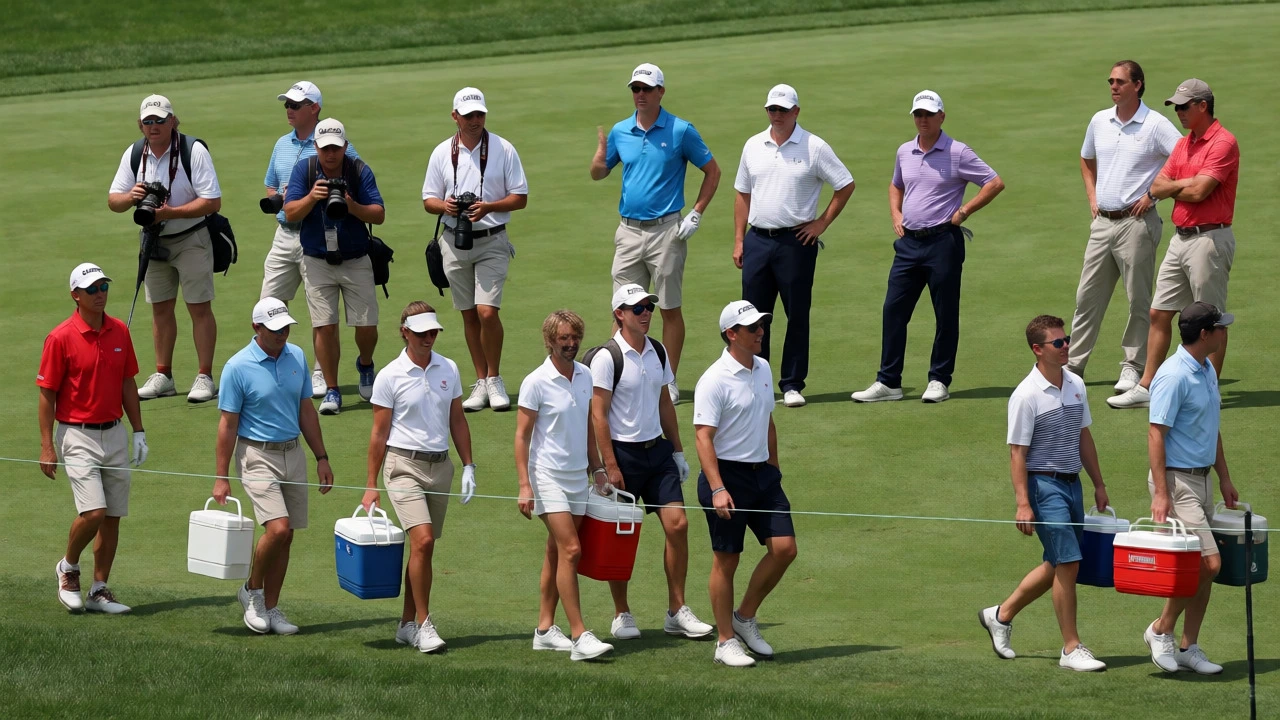
- The Socializers: For them, the tournament is a day out with friends. They bring coolers, play cards between holes, and talk loudly while walking. They are harmless unless they start chatting during a critical putt.
- The Chasers: These spectators run ahead of the players to get better angles for photos. They are energetic but can sometimes block sightlines or step into restricted areas.
- The Experts: Often found near the leaderboard or practice ranges, they analyze swing mechanics aloud. While informative, their commentary can be distracting if delivered too loudly near the greens.
Understanding these groups helps you choose where to position yourself. If you want pure focus, stick near the purists. If you want a relaxed vibe, hang back with the socializers. The gallery is a microcosm of society, and knowing who surrounds you enhances the experience.
Essential Etiquette Rules for Golf Fans
Knowing what fans are called is easy. Knowing how to act is harder. Violating etiquette is the fastest way to become the person everyone dislikes. Here are the non-negotiables for any member of the gallery.
| Rule Category | Do | Don't |
|---|---|---|
| Noise Control | Applaud after the shot is complete. | Talk, cough, or use phones during the swing. |
| Movement | Stay behind rope lines until the ball lands. | Cross in front of a player preparing to hit. |
| Photography | Use silent mode on cameras and phones. | Take flash photography or loud shutter sounds. |
| Interaction | Wait for a pause to ask for autographs. | Shout advice or instructions to players. |
The most common mistake newbies make is moving too soon. When a player hits a drive, it might fly 300 yards. If you rush forward to see where it landed before the next player tees off, you risk blocking the view or, worse, stepping into the line of sight. Always wait for the marshal's signal or the clear path before advancing.
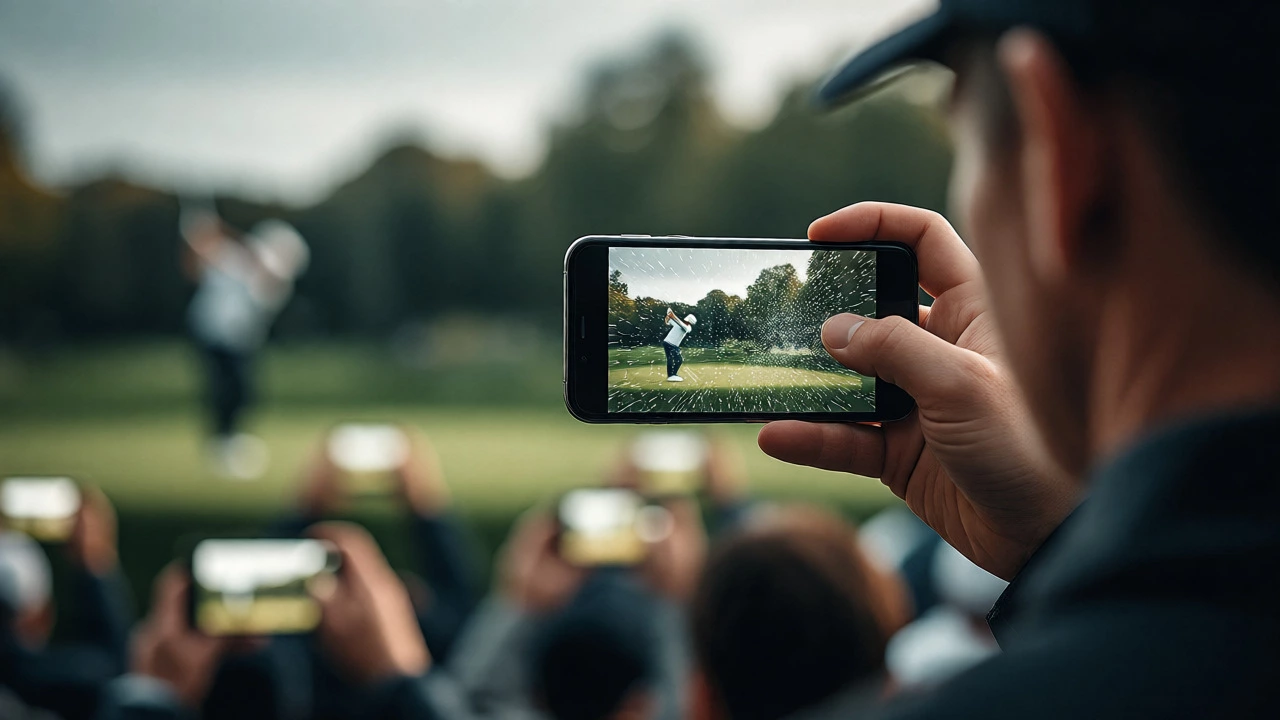
Phones are another major issue. We all want to share moments on Instagram, but a ringing phone during a bunker shot is unforgivable. Set your device to vibrate or silent. Better yet, put it away entirely until the players leave the green. The memory of the moment will stick better than a blurry photo taken from 50 yards away.
How Technology Changed the Modern Gallery
In the past, being part of the gallery meant you had zero access to real-time data. You relied on scoreboards posted manually by volunteers. Today, technology has transformed how fans engage. Most major tournaments now offer free Wi-Fi zones and dedicated apps. You can track shot dispersion, wind speed, and club selection instantly.
This shift has created a hybrid fan experience. You are physically present, feeling the grass underfoot, but digitally connected to global stats. Some fans watch the broadcast on their phones while standing on the course, comparing their live view with the TV angle. This dual engagement keeps the gallery informed but can also lead to isolation, as people stare at screens instead of watching the actual game unfold.
Broadcasting improvements have also changed expectations. High-definition replays mean fans expect perfect views. If you are blocked by a tree, you might feel disappointed. However, many modern courses now install large LED screens near key holes so the gallery can see close-ups of difficult shots without crowding the green.
Preparing for Your First Day in the Gallery
If you plan to join the gallery at a local or national tournament, preparation is key. Comfort dictates enjoyment. You will be on your feet for six to eight hours. Wear broken-in shoes. Dress in layers, as weather changes quickly on open courses. Bring sunscreen and a hat; shade is rare on fairways.
Consider bringing a folding chair. Many tournaments allow them, and having a place to rest during long gaps between groups is a lifesaver. Just remember to keep it compact so you don't block others' views. Also, check the specific tournament's bag policy. Some prohibit glass bottles or large backpacks, requiring you to travel light.
Finally, arrive early. The best spots near the first tee or popular greens fill up fast. Being early gives you time to find a good vantage point, grab food, and settle into the rhythm of the day. Rushing causes stress, and stressed fans tend to break etiquette rules more often.
Frequently Asked Questions
Are golf fans allowed to speak during a player's swing?
No, speaking during a player's swing is considered poor etiquette. The general rule is absolute silence from the moment a player addresses the ball until they have completed their stroke and walked away. Whispers are acceptable only if you are far away, but ideally, save conversations for when players are walking between shots.
Can I take photos inside the gallery?
Yes, personal photography is usually allowed, but with strict conditions. You must disable the flash and ensure your camera shutter is silent. Loud mechanical shutters can distract players. Additionally, some elite tournaments restrict professional cameras with large lenses unless you have press credentials. Always check the specific event guidelines upon entry.
What happens if I cross the rope line?
Crossing the rope line prematurely can result in a warning from a marshal. Repeated violations may lead to ejection from the course. More importantly, it can interfere with play. If you accidentally cross, apologize quietly and return to your spot immediately. Do not try to retrieve a lost item from the fairway while a player is hitting.
Is there a dress code for golf spectators?
Most public tournaments do not enforce a strict dress code, allowing jeans and t-shirts. However, prestigious events like The Masters or The Open Championship have stricter standards. Collared shirts, khakis, and closed-toe shoes are recommended. Avoid athletic shorts, flip-flops, or offensive graphics to show respect for the tradition of the venue.
Why do golf fans clap after the shot instead of during?
Clapping during a shot creates noise that can disrupt a player's concentration. In golf, precision is paramount. Even a slight auditory distraction can affect timing and balance. Therefore, the gallery waits until the ball has landed and the player has reacted before applauding. This collective restraint distinguishes golf fandom from other sports.