What Do French Call Rugby? Understanding the Language and Culture of the Sport
French Rugby Vocabulary Quiz
Test your knowledge of key rugby terms in French. Match the English term to its correct French equivalent.
Your Score
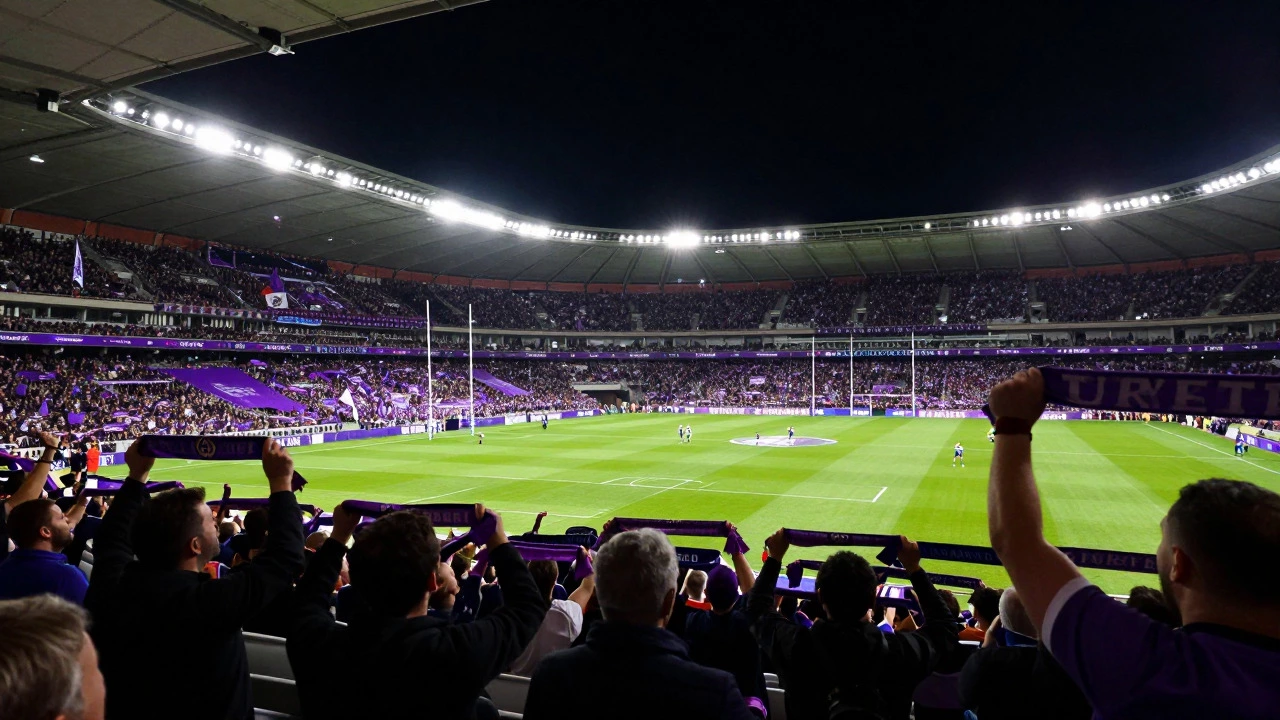
You walk into a stadium in Marseille or Toulouse, and the air is thick with chanting. It’s not just noise; it’s a specific kind of roar that belongs to one sport only. If you’re looking at rugby fixtures for the upcoming season, you might be wondering about the language barrier. What do they actually call this game over there? The short answer is simple: they call it le rugby. But if you think that’s where the linguistic journey ends, you haven’t spent much time around a French club.
The word itself comes from England, obviously. It’s named after Rugby School. But in France, the way people say it, write it, and talk about it carries a lot of weight. You won’t hear them calling it “football” like they do with soccer (le football). To avoid confusion, they are very precise. When a French person says “rugby,” they mean the oval ball, the scrums, and the tackles. There is no ambiguity.
The Basics: How to Say Rugby in French
Let’s start with the fundamentals. The sport is le rugby à XV, which translates directly to "rugby fifteen." This distinguishes it from rugby à sept (rugby sevens). In everyday conversation, most people just drop the number and say le rugby. It’s masculine, so you use "le" before it.
- The sport: Le rugby
- A player: Un joueur de rugby
- A fan: Un supporter de rugby
- The match: Le match
If you want to sound like you know what you’re talking about, remember that distinction between XV and VII. The professional league everyone follows is the Top 14, which is strictly rugby à XV. The sevens version is popular too, especially around the Olympics, but when people discuss fixtures, leagues, and teams, they are almost always talking about the fifteen-man game.
Key Terms You’ll Hear on Match Day
Knowing the name of the sport is step one. Step two is understanding the jargon. French rugby has its own vocabulary, some of which is borrowed from English, and some of which is purely French. If you’re watching a broadcast or reading a preview of the Top 14 fixtures, these words will pop up constantly.
| English Term | French Term | Pronunciation Tip |
|---|---|---|
| Tackle | Tacle | Tah-kuhl |
| Scrum | Mêlée | Meh-lay (the 'ê' sounds like the 'e' in 'bed') |
| Try | Essai | Ess-eye |
| Conversion | Transformation | Tran-sfor-ma-syon |
| Penalty | Pénalité | Peh-na-li-teh |
| Hooker | Daviers | Dah-vyehr |
| Wing | Ailier | Eel-yehr |
| Fullback | Centre arrière / Arrière | Sahn-truh ah-ree-air |
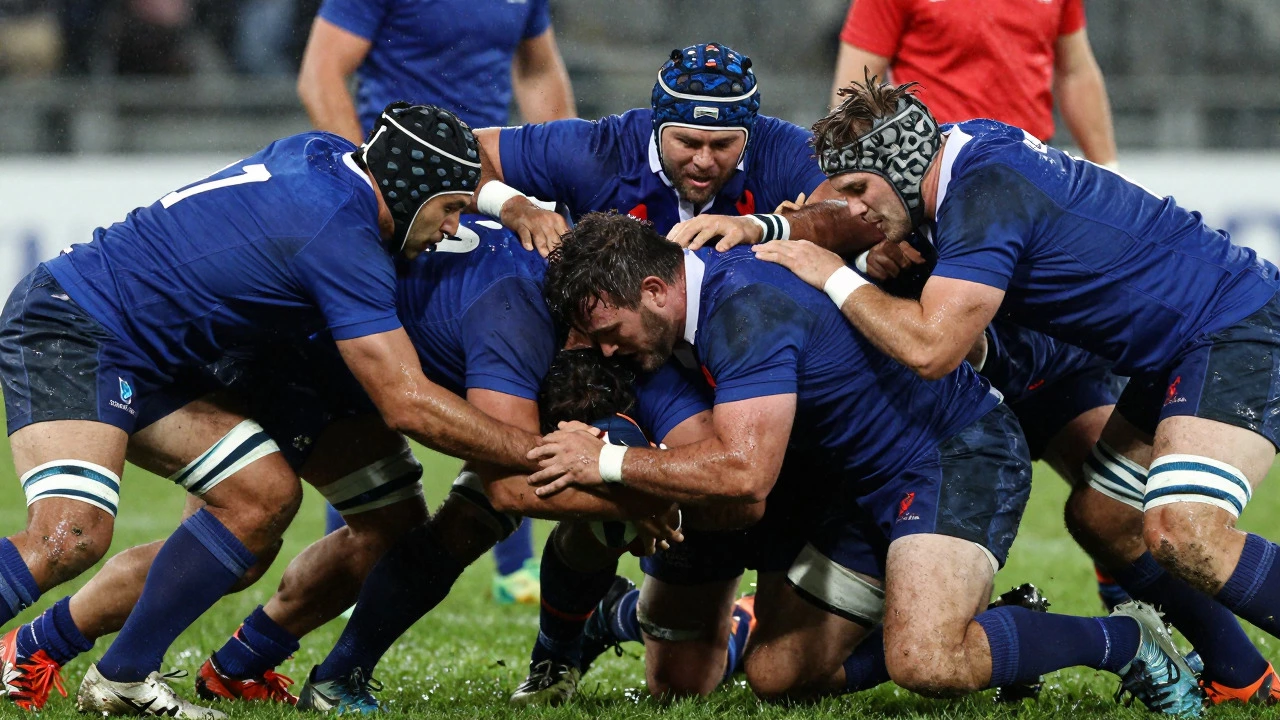
Notice how they keep "tacle" and "essai." These are direct loans but adapted to French spelling and pronunciation. "Mêlée" is interesting because it means a brawl or a melee in general French, which perfectly captures the chaos of a scrum. When the referee blows the whistle for a penalty, he calls a pénalité. If a team scores five points, they’ve scored an essai.
Understanding the Structure: Top 14 and Beyond
To really get into the culture, you need to understand the hierarchy. The pinnacle of French club rugby is the Top 14, the premier professional competition. Below that sits the Pro D2, the second division. If you’re tracking fixtures, the Top 14 is where the money, the stars, and the intense rivalries live.
Then there’s the national team. The French national rugby union team is known as the XV de France. The nickname is Les Bleus (The Blues), matching their jersey color. They play in the Six Nations tournament every year against England, Ireland, Italy, Scotland, and Wales. Winning the Six Nations is called lifting the Calcutta Cup (if they beat England) or simply winning the championship. A Grand Slam happens when they beat all five opponents.
For international fixtures, the autumn tests are huge. These are matches played in November against Southern Hemisphere giants like New Zealand (All Blacks), South Africa (Springboks), and Australia (Wallabies). These games often decide World Cup rankings and are massive events in France.
The Cultural Weight of Rugby in France
Rugby isn’t just a sport in France; it’s a regional identity. While Paris has teams like Stade Français and Racing 92, the heartland of French rugby is the south. Specifically, the regions of Occitanie and Nouvelle-Aquitaine. Cities like Toulouse, Bordeaux, Clermont-Ferrand, and Montpellier have clubs that are practically religious institutions for locals.
Take Stade Toulousain, commonly known as Le Stade. They are the most successful club in Europe, with multiple Champions Cup titles. Their fans don’t just watch the game; they live it. The chant "Viola!" (referring to their purple jerseys) echoes through stadiums across the country. If you go to a match in Toulouse, you aren’t just a spectator; you’re part of a community that values toughness, camaraderie, and tradition.
This cultural aspect explains why the language matters. Using the correct terms shows respect. Calling a try a "touchdown" would confuse everyone. Calling a scrum a "push" misses the nuance of the technical engagement. Learning the French terms helps you connect with the fans who have been supporting their local club for generations.
How to Follow Fixtures and News
If you want to stay updated on rugby fixtures in France, you need to know where to look. The official governing body is the Fédération Française de Rugby (FFR). Their website lists all official dates for the XV de France and domestic competitions.
For club news, the Top 14 website is your best bet. It provides schedules, results, and statistics. Major sports media outlets like L’Équipe, RMC Sport, and Canal+ also cover the sport extensively. L’Équipe is particularly famous for its front-page headlines after major victories or defeats. If the XV de France wins a big test match, you’ll see the headline "Victoire des Bleus" everywhere.
Broadcasting rights are split between TV channels. Canal+ usually holds the rights for the Top 14 and Pro D2, while TF1 and France Télévisions broadcast the Six Nations and other international matches. Knowing this helps you find where to watch live streams or highlights.
Why the Language Matters for Fans
So, why does it matter what they call it? Because language shapes experience. When you hear a French commentator describe a mêlée, they emphasize the physical struggle and the technique of the eight forwards. When they talk about an essai, they focus on the flair and speed of the backs. The terminology reflects the values of the game: strength, skill, and collective effort.
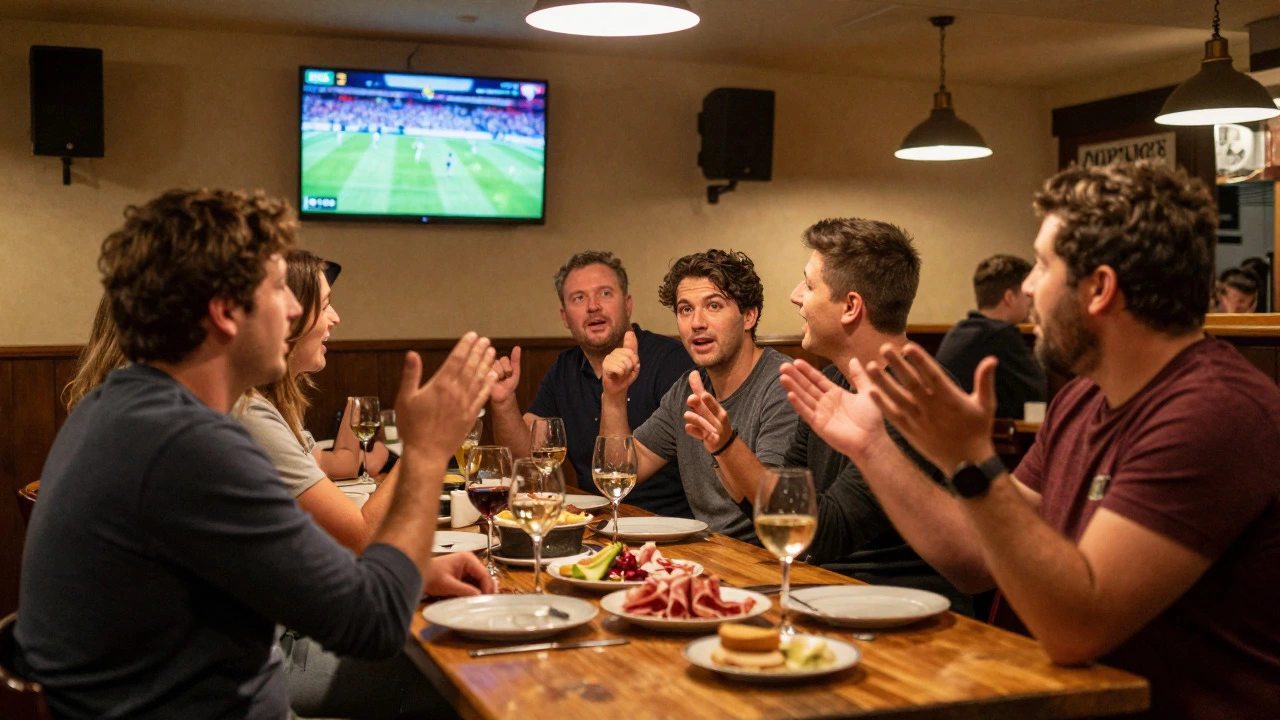
Also, if you travel to France during the rugby season, knowing these words can open doors. Asking a local about the next match du Top 14 gets you a different reaction than asking about "football." It signals that you understand the landscape. You might even get invited to a pre-match pub gathering, where the debate about the starting lineup is fierce and passionate.
In short, the French call it le rugby. But behind that simple phrase lies a rich history, a distinct vocabulary, and a deep cultural passion. Whether you’re checking the fixtures for the Top 14 or following the XV de France in the Six Nations, using the right terms will enhance your enjoyment of the sport.
What is the French word for rugby?
The French word for rugby is le rugby. More specifically, the 15-player version is called le rugby à XV, and the 7-player version is le rugby à sept. In casual conversation, most people just say le rugby.
What do they call a try in French?
A try is called an essai in French. After scoring an essai, the team attempts a conversion, which is called a transformation.
What is the top rugby league in France?
The top professional rugby league in France is the Top 14. It consists of fourteen teams competing annually. The second division is called the Pro D2.
What is the nickname of the French national rugby team?
The French national rugby union team is officially known as the XV de France, but their common nickname is Les Bleus (The Blues), referring to their blue jerseys.
Where is rugby most popular in France?
Rugby is most popular in the southern regions of France, particularly in Occitanie and Nouvelle-Aquitaine. Cities like Toulouse, Bordeaux, Clermont-Ferrand, and Montpellier have strong rugby cultures and historic clubs.
How do you say scrum in French?
A scrum is called a mêlée in French. The term implies a close-quarters struggle, which accurately describes the nature of the set piece.
Who governs rugby in France?
Rugby in France is governed by the Fédération Française de Rugby (FFR). They organize national teams, domestic leagues, and enforce rules in accordance with World Rugby standards.