What is Sports Gear Made Of? Materials Explained
Sports Gear Material Advisor
Select your primary sport or activity and your top priority to find the ideal material recommendations.
Recommended Materials
Care & Maintenance Tips
You’ve probably held a tennis racket, kicked a football, or strapped on running shoes without giving much thought to what’s actually under the surface. But here’s the thing: the material determines whether that gear helps you win or just collects dust in your garage. Sports gear isn’t just one thing; it’s a complex mix of polymers, metals, fibers, and rubbers engineered for specific stresses. If you’re buying new equipment, understanding these materials saves you money and prevents injury. You need to know why your shoes feel squishy, why your bat feels light, and why your jersey wicks sweat instead of soaking it up.
The Polymer Revolution in Apparel
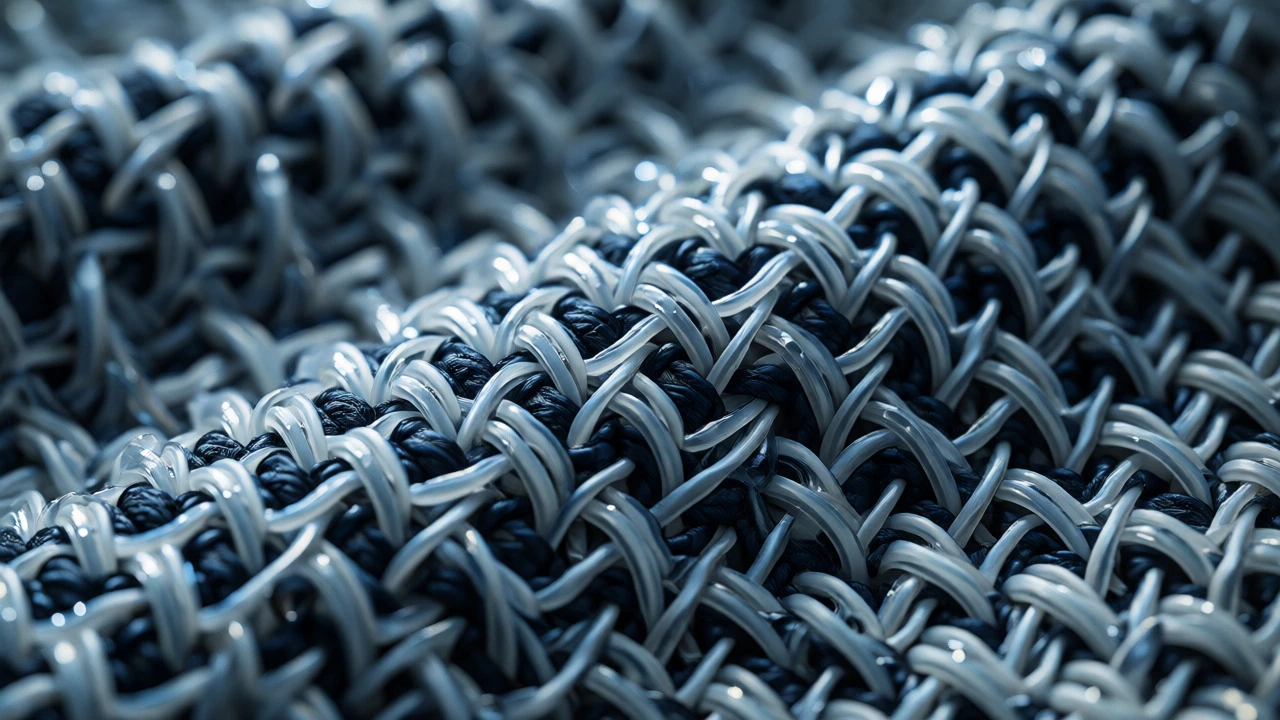
Start with what touches your skin. Cotton is out for high-intensity work because it holds water like a sponge. When you sweat in cotton, it stays wet, chills you down, and causes chafing. Modern sportswear relies heavily on synthetic polymers like polyester and nylon. Polyester is hydrophobic, meaning it repels water. Instead of absorbing sweat, the fabric pushes moisture away from your body to the outer layer where it evaporates quickly. This process, called wicking, keeps you dry and regulates temperature.
Nylon adds durability. It’s stronger than polyester and resists abrasion better, which is why you see it in hiking pants and cycling shorts. But pure synthetics can feel plasticky and trap odors. That’s where elastane (also known as Spandex or Lycra) comes in. Even a small amount, say 5-10%, gives the garment stretch and recovery. Without it, your compression tights would bag out after two wears. Some brands now blend natural fibers like merino wool with synthetics. Merino regulates temperature naturally and fights odor bacteria, making it ideal for long-distance running or skiing where you can’t change clothes often.
Rubber Compounds in Footwear
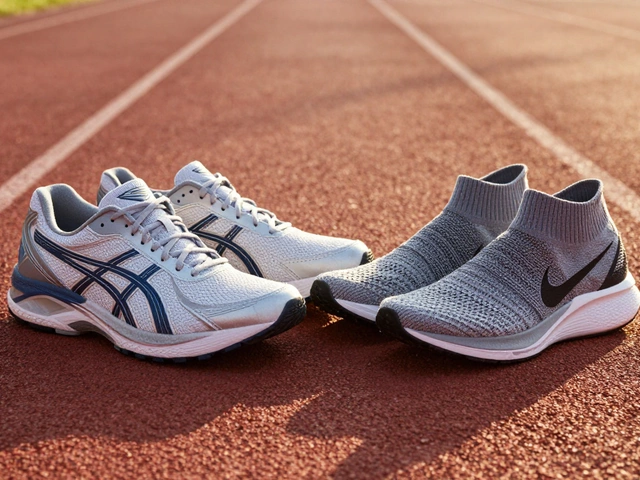
Your feet hit the ground thousands of times per run. The interface between your foot and the earth is handled by rubber compounds. Not all rubber is created equal. Shoe manufacturers use different blends of natural latex and synthetic styrene-butadiene rubber (SBR). Softer rubber provides grip but wears down fast. Harder rubber lasts longer but offers less traction on wet surfaces.
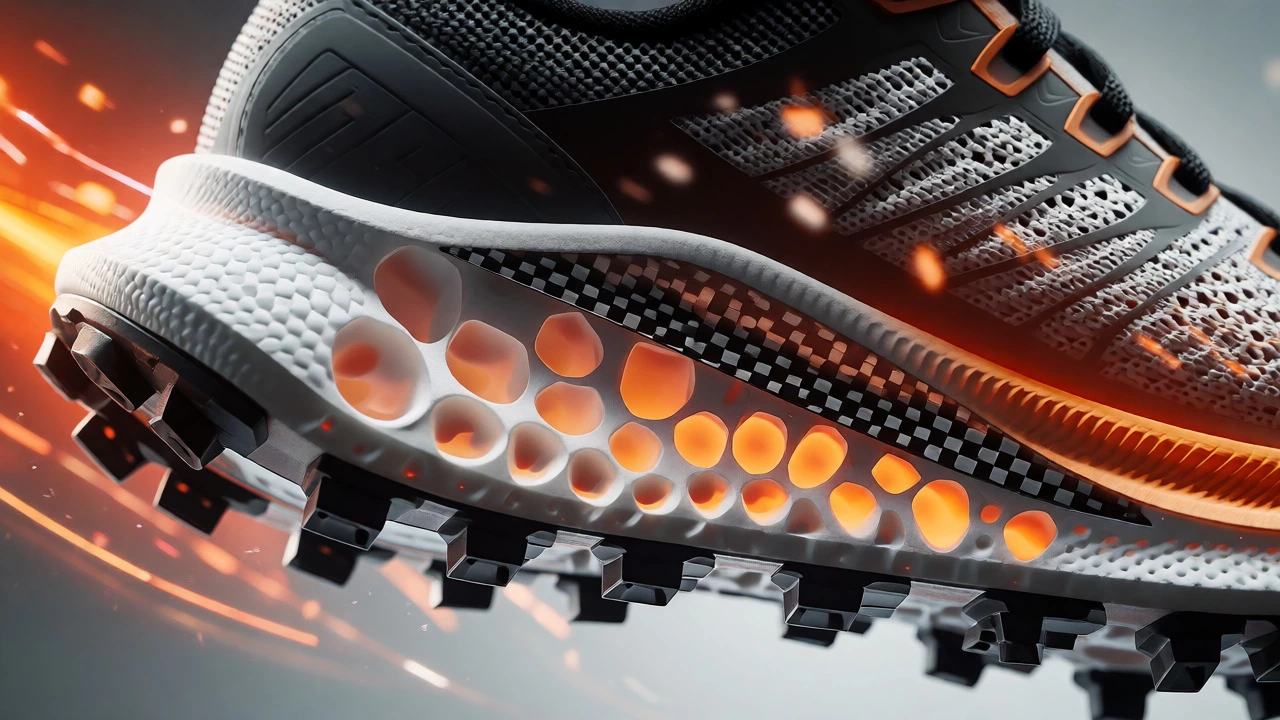
Look at the outsole pattern. Deep lugs made of soft, sticky rubber are common in trail running shoes for mud grip. Road running shoes use harder, smoother rubber for efficiency and durability. The midsole is where the magic happens for cushioning. Ethylene-vinyl acetate (EVA) foam has been the standard for decades. It’s lightweight and compressible. However, newer thermoplastic polyurethane (TPU) foams return more energy. They don’t just squash; they bounce back. This reduces fatigue over long distances. Carbon plates embedded in the midsole act as levers, stiffening the shoe to propel you forward. This tech moved from elite marathon racing to everyday trainers, changing how we think about running mechanics.
Carbon Fiber and Composite Rackets
If you play tennis, badminton, or squash, you’ve likely switched from aluminum to composite frames. Carbon fiber is a material made of thin strands of carbon atoms woven together and bonded with resin. It’s incredibly strong yet lighter than steel. This allows manufacturers to make rackets that are large-headed and powerful without being heavy.
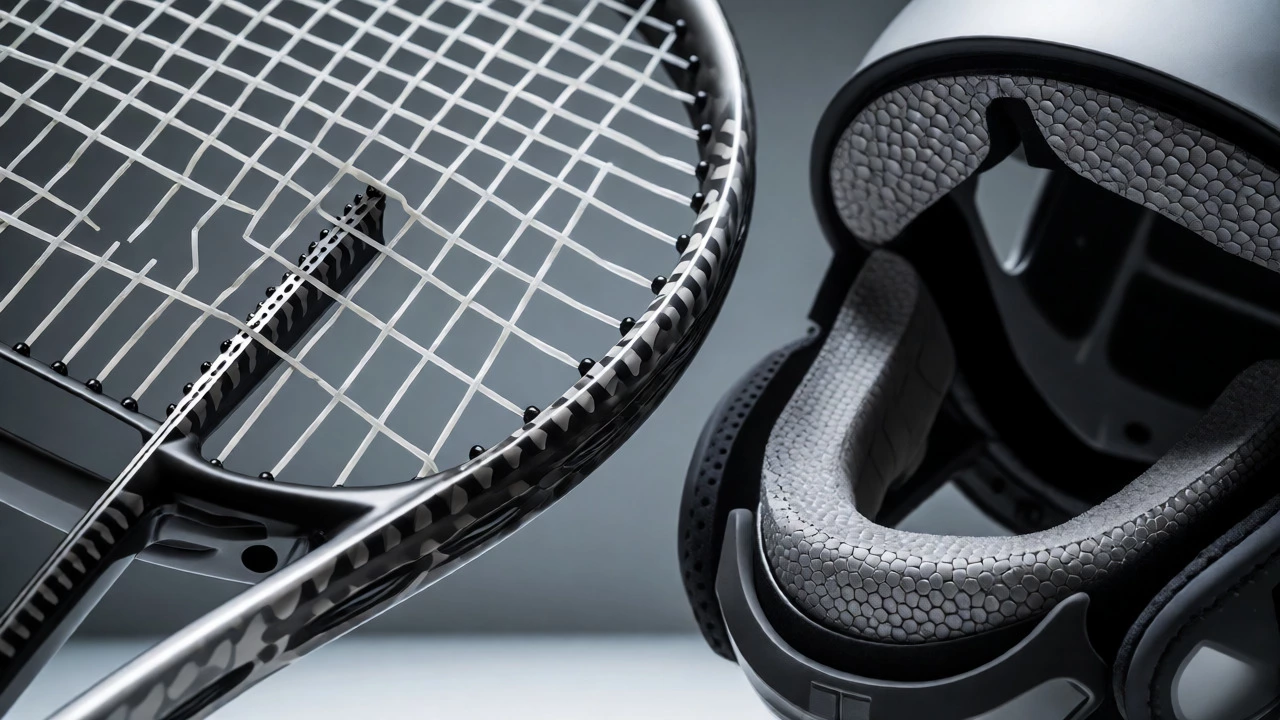
Aluminum rackets were heavy and transmitted vibration directly to your arm, leading to "tennis elbow." Carbon fiber dampens vibration better. Manufacturers tweak the stiffness by changing the weave direction. More longitudinal fibers increase power; more lateral fibers increase control. Graphite is often mixed with fiberglass to lower costs while maintaining decent performance. High-end rackets might include Kevlar or basalt fibers for extra stability. Understanding this helps you choose: if you have weak wrists, avoid ultra-stiff carbon frames. If you want power, look for high-modulus carbon layups.
| Material | Primary Use | Key Benefit | Drawback |
|---|---|---|---|
| Polyester | Jerseys, Shorts | Moisture-wicking, quick-dry | Traps odors easily |
| Elastane | Compression wear | Stretch and fit retention | Degrades with heat/chlorine |
| Carbon Fiber | Rackets, Bikes | High strength-to-weight ratio | Fragile against impact |
| Thermoplastic Polyurethane (TPU) | Shoe Midsoles | Energy return, durability | Heavier than EVA |
| Aluminum Alloy | Bats, Frames | Cheap, durable | Heavy, vibrates more |
Metals and Alloys in Equipment
While plastics dominate apparel, metals still rule certain domains. Aluminum alloys remain popular for baseball bats, hockey sticks, and bicycle frames due to their low cost and good corrosion resistance. They dent rather than crack, which is safer for beginners. However, they transfer significant shock. A stinging hand after hitting a fastball with an aluminum bat is a familiar sensation.
Steel is heavier but incredibly tough. You’ll find it in weightlifting bars, goalposts, and some older bike frames. It doesn’t flex much, providing stable feedback. For cyclists seeking speed, titanium is the premium choice. It absorbs road vibrations better than aluminum or carbon, reducing rider fatigue. It’s also resistant to rust. The downside? Price. Titanium frames can cost three times as much as aluminum ones. In golf clubs, tungsten weights are added to clubheads to shift the center of gravity, helping amateur players launch the ball higher. These small metal inserts dramatically change how forgiving a club feels.
Leather vs. Synthetic Balls
For centuries, leather was the only option for soccer balls, basketballs, and rugby balls. Genuine leather absorbs water, becoming heavy and unpredictable in rain. It requires break-in time and regular conditioning. Today, most professional balls use synthetic polyurethane (PU) or polyvinyl chloride (PVC) panels.
Synthetic panels offer consistent flight characteristics regardless of weather. They don’t absorb water, so weight stays constant. PU is softer and offers better touch, preferred for indoor soccer and futsal. PVC is cheaper and more durable, common in outdoor recreational balls. Basketball surfaces vary too. Microfiber composites provide a tacky feel for indoor courts, while rugged rubber compounds handle rough outdoor asphalt. If you play outdoors, avoid indoor microfiber balls; they shred within weeks on concrete. Always match the material to the playing surface.
Protective Padding and Foam
Helmets and pads rely on specialized foams to manage impact energy. Expanded Polystyrene (EPS) is the white, brittle foam inside bike helmets. It works once. When it cracks, it absorbs the energy of the crash. That’s why you must replace a helmet after any significant impact, even if it looks fine. EPS is cheap and effective for single impacts.
For repeated hits, like in American football shoulder pads or shin guards, manufacturers use closed-cell foams like Polyethylene (PE) or Nitrile Rubber. These materials compress and rebound repeatedly without breaking down. Advanced systems use gel packs or fluid-filled chambers to distribute force across a wider area, preventing bruising. Airbag technology is emerging in motorcycle gear and ski vests, inflating instantly upon fall detection to protect the spine and chest. While not standard in team sports yet, this shows how protective gear evolves beyond simple foam blocks.
How to Choose Based on Material
Don’t just buy based on brand name. Check the tag. If you’re a runner with sensitive skin, avoid rough nylon seams; look for flatlock stitching and polyester blends. If you play tennis, ask yourself if you prioritize power or control. Power means stiffer carbon; control means more flexible graphite mixes. For gym-goers, check if your lifting belt is leather or suede-lined nylon. Leather breaks in over time for a custom fit; nylon offers instant rigidity.
Consider longevity. Cheap PVC balls warp in hot cars. Quality TPU midsoles last hundreds of miles; cheap EVA dies in fifty. Spending more on materials that resist degradation often pays off. Read reviews specifically mentioning durability. Look for terms like "abrasion-resistant," "UV-stabilized," or "hydrolysis-resistant." These indicate the manufacturer treated the materials to survive real-world conditions, not just lab tests.
Why does my polyester shirt smell worse than cotton?
Polyester is oleophilic, meaning it attracts oils from your skin. Body oils feed bacteria that cause odor. Cotton absorbs water but releases oils more easily. To fix this, wash polyester with enzyme-based detergents or soak in vinegar before washing to break down the oils trapped in the synthetic fibers.
Is carbon fiber really worth the extra cost for rackets?
For intermediate to advanced players, yes. Carbon fiber offers superior stiffness and vibration damping compared to aluminum or basic graphite. This reduces strain on your arm and improves shot consistency. Beginners might not notice the difference enough to justify the price, especially if they mishit frequently, which can damage expensive carbon frames.
Can I wash my sports gear with normal detergent?
It depends. Standard detergents contain softeners that coat synthetic fibers, clogging the pores meant for wicking moisture. Use technical sportswear detergent or skip the fabric softener entirely. For leather items, never machine wash; use specialized cleaners to maintain flexibility and prevent cracking.
Why do my running shoes lose cushioning so quickly?
Foam midsoles compress permanently over time. EVA foam typically degrades significantly after 300-500 miles. Weight, running style, and storage temperature affect lifespan. Heat accelerates breakdown. Store shoes in cool places and rotate pairs to allow foam to recover between runs.
Are synthetic balls better than leather?
For performance and consistency, yes. Synthetics don’t absorb water, keeping weight uniform. Leather offers a traditional feel and better grip when dry but becomes heavy and slippery when wet. Professional leagues almost exclusively use synthetic balls now due to predictable flight paths.