What Is Poor Stamina? Signs, Causes, and How to Improve It
Stamina Assessment Quiz
How to improve your stamina
Answer these questions about your daily energy levels and habits. This tool will help identify if you're experiencing poor stamina and provide personalized advice.
Based on information from the article "What Is Poor Stamina? Signs, Causes, and How to Improve It"
Your Stamina Assessment
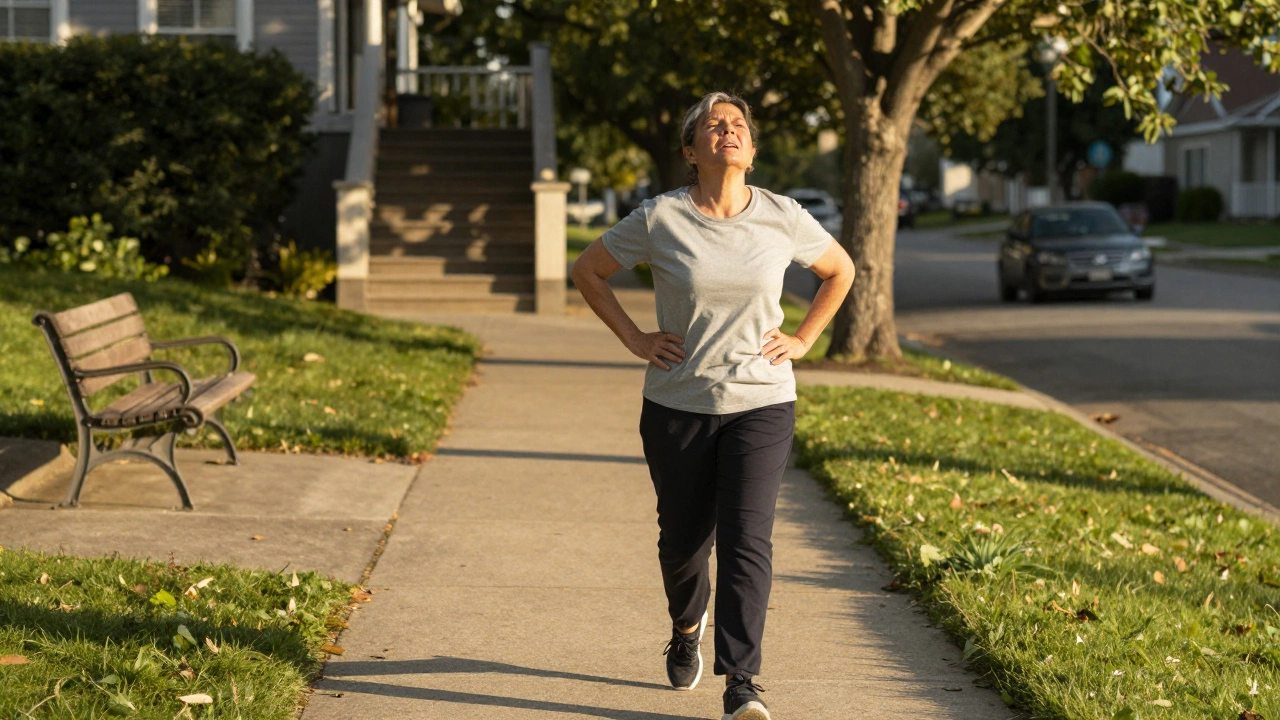
Ever feel like you’re out of breath after climbing a flight of stairs? Or maybe you used to jog for 20 minutes without stopping, but now you’re gasping after five? That’s not just being tired-it’s poor stamina. And it’s more common than you think, especially if you’ve been sitting more, sleeping less, or just letting your workouts slide.
What Poor Stamina Actually Means
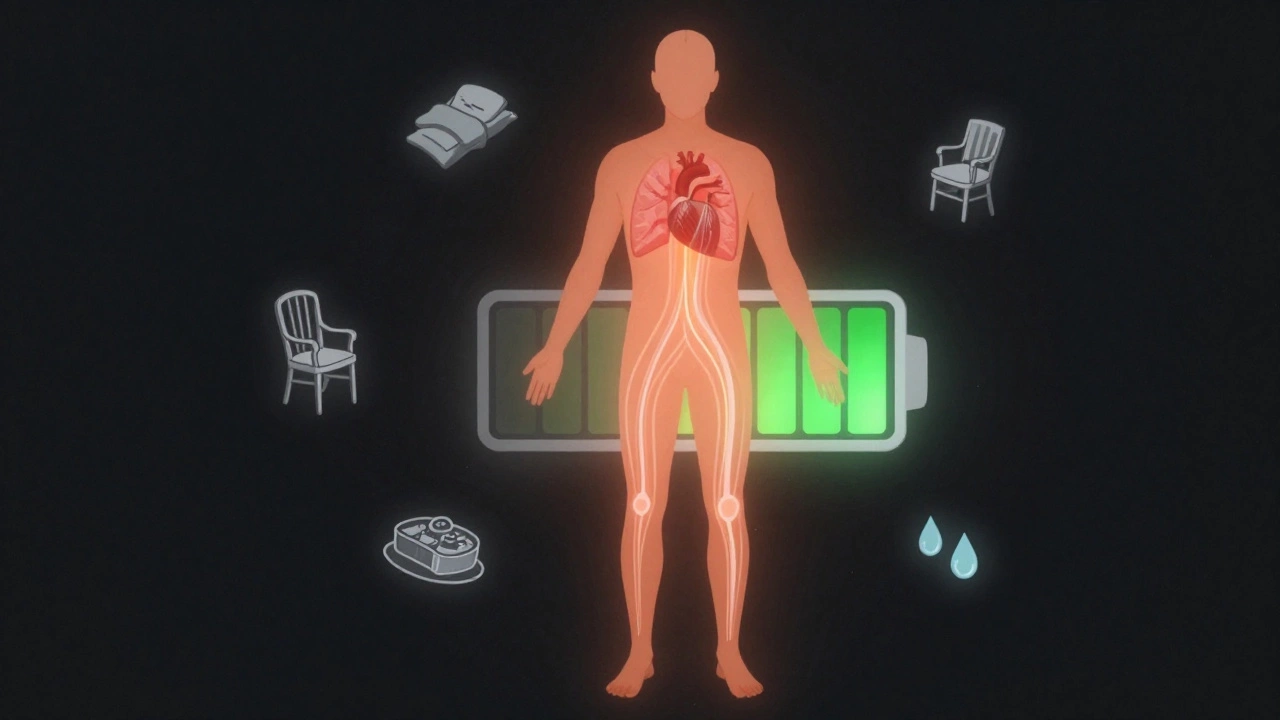
Poor stamina isn’t a disease. It’s your body’s way of saying it’s not ready for sustained effort. Think of stamina like a battery. When you have good stamina, your battery lasts longer before it runs out. When you have poor stamina, that battery drains fast-even during simple tasks.
It’s not just about running out of breath. It’s also about muscles feeling heavy, your mind going fuzzy, or your energy crashing halfway through a workout. You might feel fine when you’re sitting down, but the moment you move-walking uphill, carrying groceries, playing with your kids-you hit a wall.
This isn’t normal aging. It’s a sign your cardiovascular system, muscles, and energy pathways aren’t working together the way they should. And the good news? You can fix it.
Common Signs You Have Poor Stamina
If you’re wondering whether you’re dealing with low stamina, look for these patterns:
- Getting winded walking up stairs or across a parking lot
- Needing to stop and rest during a short walk
- Feeling exhausted after light housework or yard work
- Having trouble keeping up with others during group activities
- Needing longer rest periods between sets at the gym
- Feeling mentally drained after physical activity, even if it wasn’t intense
These aren’t just "I had a bad night’s sleep" moments. If this happens regularly, your body is telling you something’s off.
Why Your Stamina Is Low (It’s Not Just Laziness)
People often blame themselves-"I’m just out of shape." But poor stamina usually comes from a mix of habits, not just one thing.
Sitting too much is the biggest culprit. If you’re at a desk 8 hours a day, your body forgets how to use oxygen efficiently. Muscles shrink, lungs don’t expand fully, and your heart gets lazy.
Inconsistent exercise is another. Going hard for a week, then stopping for a month, doesn’t build endurance. Your body adapts to what you ask it to do-and if you’re not asking it to move regularly, it stops preparing.
Poor sleep plays a huge role. When you don’t get enough rest, your body can’t repair muscle tissue or balance energy hormones. One study from the University of Chicago found that people who slept less than 6 hours a night had 20% lower aerobic capacity than those who slept 7-9 hours.
Diet matters more than you think. If you’re eating mostly processed carbs and skipping protein, your body doesn’t have the fuel it needs to sustain effort. Low iron? That can cause fatigue because your blood can’t carry enough oxygen. Dehydration? Even 2% loss of body water cuts endurance by 10%.
And yes, stress does too. Constant stress keeps your body in "fight or flight" mode, which burns energy fast and slows recovery.
How to Improve Stamina (No Gym Required)
You don’t need fancy equipment or hours of training. Here’s what actually works:
- Start with walking-but make it brisk. Aim for 30 minutes a day, five days a week. If you can’t do it all at once, break it into three 10-minute walks. Speed matters more than distance. You should be able to talk, but not sing.
- Build up slowly. If you’re currently walking 10 minutes, add 2-3 minutes every week. Don’t push to exhaustion. Stamina grows with consistency, not intensity.
- Try stair climbing. It’s brutal, but it’s one of the best ways to train your heart and lungs. Even one flight of stairs, three times a day, adds up.
- Use your arms. Swing them while you walk. It increases oxygen use by 15-20%. You’ll burn more calories and build endurance faster.
- Hydrate before you feel thirsty. Drink water throughout the day. A good rule: if your urine is pale yellow, you’re good. Dark yellow? You’re dehydrated.
- Eat more protein and iron. Chicken, eggs, beans, spinach, lentils, and lean beef help your body repair and carry oxygen. Pair iron-rich foods with vitamin C (like oranges or bell peppers) to boost absorption.
- Sleep like your stamina depends on it-because it does. Aim for 7-8 hours. No excuses. Your body rebuilds stamina while you sleep.
What Not to Do
Most people try to fix poor stamina the wrong way:
- Jumping into HIIT workouts before building a base-this leads to burnout or injury.
- Drinking energy drinks for a quick boost-they spike sugar, crash your energy, and don’t build real endurance.
- Skipping rest days-your muscles need recovery to get stronger.
- Comparing yourself to others-your stamina is your own. Progress isn’t linear.
There’s no magic pill. No supplement will replace consistent movement, good sleep, and real food.

How Long Until You Notice a Difference?
Most people feel a change in 2-3 weeks. You’ll notice you’re not gasping as much. Your legs feel lighter. You can carry groceries without stopping. After 6-8 weeks, you’ll be able to walk farther, climb stairs faster, or jog without needing to catch your breath.
One woman in Adelaide I know-54, retired teacher, sedentary for years-started walking 15 minutes a day. Three months later, she hiked 8 kilometers on a trail with her grandkids. She didn’t train for it. She just kept walking.
When to See a Doctor
Most cases of poor stamina are from lifestyle. But if you have:
- Extreme fatigue that doesn’t improve with rest
- Chest pain, dizziness, or irregular heartbeat during light activity
- Swelling in your legs or ankles
- Unexplained weight loss or shortness of breath at rest
Then see a doctor. These could be signs of heart issues, anemia, thyroid problems, or other conditions. Don’t assume it’s just "being out of shape."
Final Thought: Stamina Is a Skill
You don’t have to be an athlete to have good stamina. You just have to move regularly, recover well, and fuel your body right. It’s not about how hard you push-it’s about how consistently you show up.
Start small. Walk today. Drink water. Sleep tonight. Do it again tomorrow. In a few weeks, you’ll look back and wonder why you waited so long to start.
Is poor stamina the same as being out of shape?
They’re related, but not the same. Being out of shape means you haven’t trained your body for activity. Poor stamina means your body can’t sustain effort-even if you’ve worked out before. You can be fit but still have low stamina if you’ve been inactive for a while.
Can poor stamina be reversed?
Yes, absolutely. Your body adapts quickly to consistent movement. Even people in their 70s have improved stamina in just 6-8 weeks by walking daily and improving sleep. It’s never too late to start.
Does caffeine help with stamina?
A small amount of caffeine (like one cup of coffee) can help you push a little harder during a workout by reducing perceived effort. But it doesn’t build stamina. Relying on it long-term can lead to crashes and disrupt sleep, which hurts recovery.
How does breathing affect stamina?
Breathing deeply and rhythmically helps your body use oxygen more efficiently. If you’re gasping or holding your breath, you’re wasting energy. Practice slow, controlled breaths during walks-inhale for 3 steps, exhale for 3 steps. It makes a big difference over time.
Should I take supplements to improve stamina?
Most supplements marketed for stamina-like B-vitamins, creatine, or energy blends-don’t work unless you have a deficiency. If you’re eating whole foods, getting enough sleep, and moving regularly, you don’t need them. Iron supplements can help if you’re anemic, but only take them if a doctor confirms it.