Why Do Americans Love Football?
On any given Sunday in the U.S., millions of people put everything else on hold. Work stops. Schools clear out. Bars fill up. Families gather. And for three hours, the whole country seems to breathe as one. It’s not the Super Bowl. It’s not even a playoff game. It’s Week 5 of the regular season. And yet, it feels like the most important thing in the world. Why? Why does American football grip the nation like no other sport?
It’s Not Just a Game - It’s a Ritual
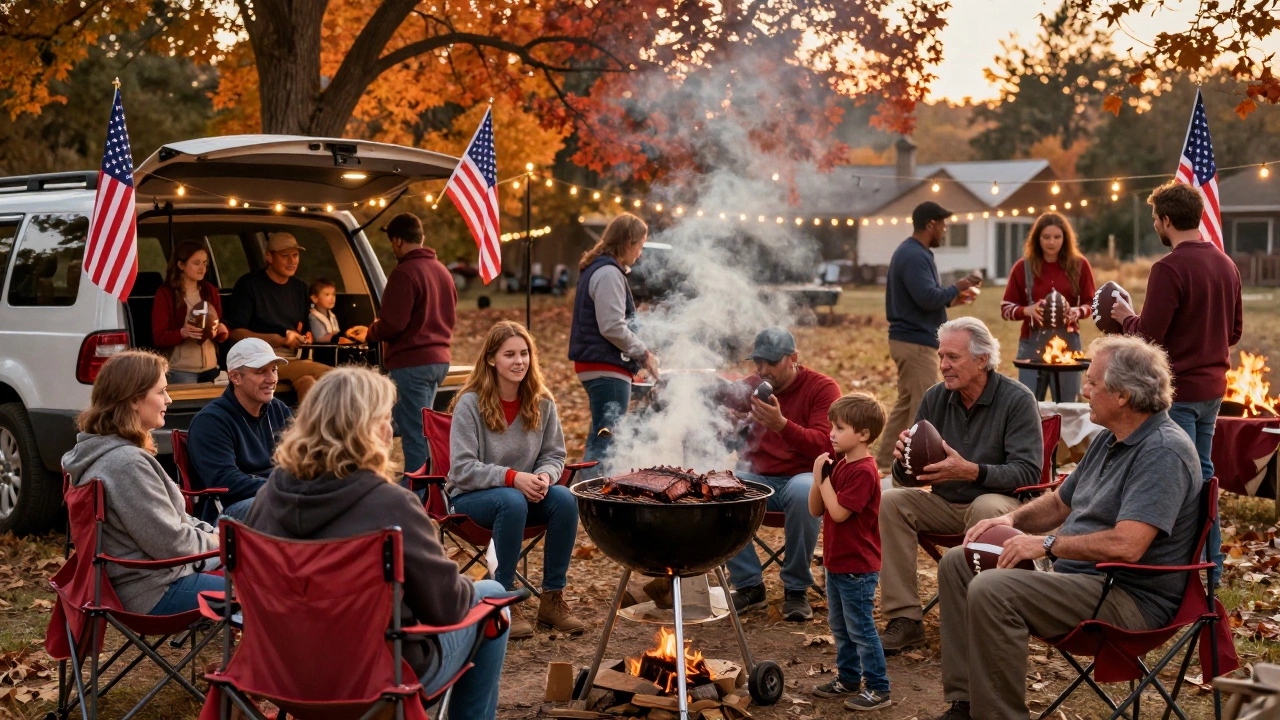
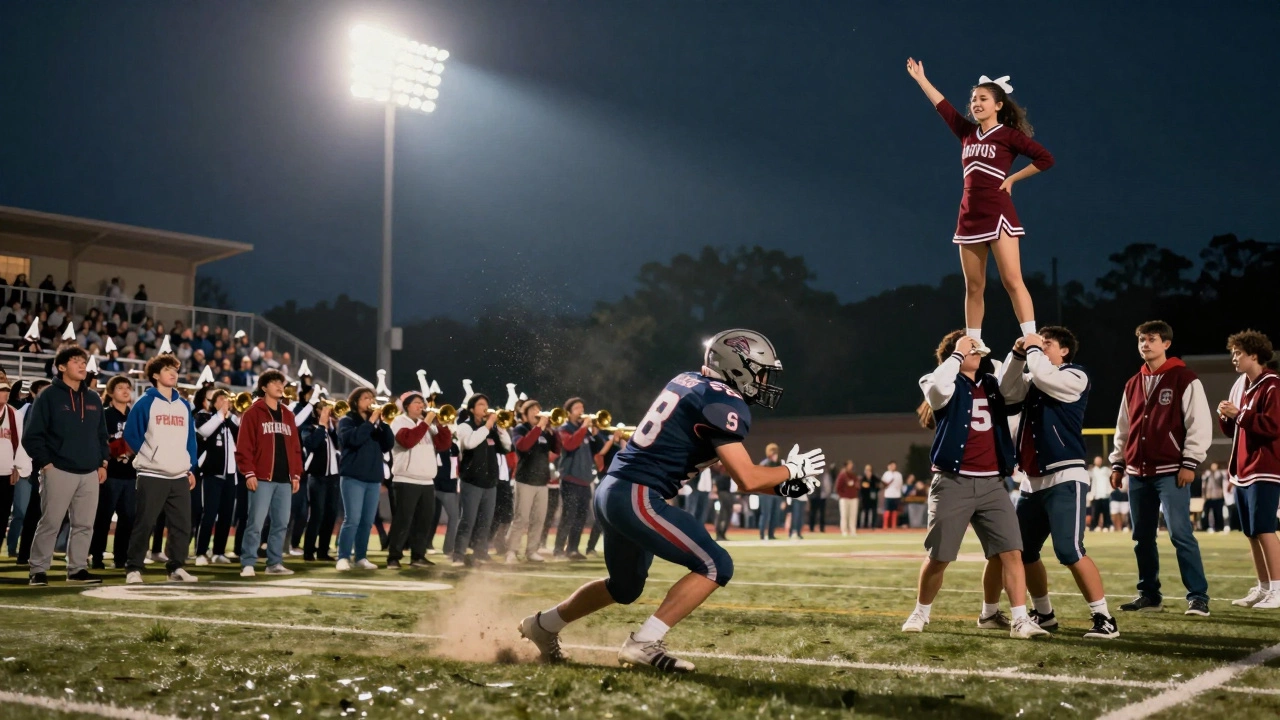
American football isn’t played on weekends. It’s experienced. The pre-game rituals are as much a part of the tradition as the tackles and touchdowns. Tailgating isn’t just eating food in a parking lot - it’s a full-day event with grills, blankets, flags, and chants that start hours before kickoff. Families bring the same cooler, the same chairs, the same lucky hat. Generations sit side by side, passing down team loyalties like heirlooms. You don’t just watch football. You live it.It’s not rare to hear someone say, "My dad took me to my first game when I was six. Now I take my son." That’s not nostalgia. That’s identity. Football becomes woven into family stories, birthdays, holidays, even funerals. In small towns across Ohio, Pennsylvania, and Texas, the high school Friday night game is the biggest event of the week. It’s not about college scholarships or pro contracts. It’s about community pride. The whole town shows up. The band plays. The cheerleaders lead the crowd. And the lights stay on long after the final whistle.
The Structure Makes It Addictive
Unlike soccer or basketball, where the clock runs continuously, football is broken into stop-and-start plays. Each play is a 40-second movie - a high-stakes, 5- to 10-second burst of violence, strategy, and precision. You get a reset after every play. A chance to reset your emotions. A chance to scream, cheer, or groan - then reset again.This structure creates a rollercoaster effect. One play, your team loses five yards. Next play, a 60-yard bomb to the end zone. Then a fumble. Then a blocked punt. Then a last-second field goal. The tension builds with every snap. There’s no "flow" to lose. Every play is a new story. And with only 17 regular-season games per team, each one matters. You can’t afford to miss one. A single loss can end a season. A single catch can change a legacy.
The NFL’s scheduling is designed for obsession. Monday Night Football. Sunday afternoon. Thursday night. Games are spaced out like events, not routines. You don’t just watch football - you plan your life around it. Work meetings get moved. Dinner gets delayed. Kids are told, "We’re watching the game tonight. No arguing."
It’s a Battle of Strategy and Power
American football is chess with helmets. Every play is a carefully planned operation. Coaches spend weeks studying film. Quarterbacks memorize 100+ play calls. Offensive linemen move in perfect sync. Defensive backs read the quarterback’s eyes before the ball is snapped. The complexity is staggering. And that’s part of the draw.People don’t just love the hits. They love the minds behind them. Watching a coach call a trick play that fools the entire defense feels like seeing a magician pull off the impossible. When Tom Brady reads a coverage and throws a perfect spiral to a receiver nobody saw open, it’s not luck. It’s mastery. And fans feel smart when they understand it. They can point out a blitz package. They can explain why a team went for it on fourth down. Football gives people a sense of intellectual ownership.
Compare that to soccer, where a single goal can come from pure instinct. Football rewards preparation. It rewards patience. It rewards intelligence. That’s why it appeals to engineers, military veterans, business executives, and high school math teachers alike. It’s not just brute force. It’s calculated force.
Team Loyalty Runs Deeper Than Politics
In a country deeply divided, football remains one of the few things that still brings people together - even if just for a few hours. A Democrat and a Republican can sit next to each other in a bar, both wearing their team’s jersey, yelling at the same screen. They might disagree on taxes, climate change, or healthcare. But they both know what a zone blitz looks like. They both know the pain of a dropped pass in the end zone.Team loyalty is passed down, not chosen. You don’t pick the Packers because they’re winning. You pick them because your grandfather rooted for them in the 1960s. You don’t root for the Cowboys because they’re glamorous. You root for them because your dad screamed at the TV during the 1992 Super Bowl and you’ve never stopped.
That loyalty survives losing. The Detroit Lions have had more losing seasons than winning ones since 1960. Yet, their fans still show up. In numbers. In rain. In snow. In tears. Why? Because football isn’t about winning. It’s about belonging.
The Media Turns It Into National Theater
No other sport gets this kind of treatment. The NFL doesn’t just broadcast games. It builds entire narratives around them. Every week, ESPN, NFL Network, and local stations run hours of analysis, highlight reels, player profiles, and behind-the-scenes footage. Players become household names. Coaches become legends. Even mascots have social media followings.The Super Bowl isn’t just a championship. It’s a cultural moment. The commercials cost $7 million for 30 seconds - and people wait all year to see them. The halftime show draws over 100 million viewers - more than most TV series’ season finales. Beyoncé, Bruce Springsteen, and Rihanna have all headlined it. It’s not just sports entertainment. It’s pop culture on steroids.
And it’s not just the NFL. College football has its own mythology. Ohio State vs. Michigan. Alabama vs. Auburn. Army vs. Navy. These games are older than most American families. They’re tied to state pride, military tradition, and regional identity. The rivalry isn’t just about the scoreboard. It’s about history.

It’s the Only Sport That Feels Like a National Holiday
Think about it. There’s no other sport where the entire country pauses. Not basketball. Not baseball. Not even the World Cup. On Super Bowl Sunday, the U.S. consumes more food than on any other day of the year - over 1.3 billion chicken wings. More beer is sold than on the Fourth of July. More taxis are called. More delivery orders are placed. The economy literally shifts around the game.Even people who don’t care about football watch it. They watch for the ads. They watch for the halftime show. They watch because everyone else is. It’s the closest thing America has to a shared national experience. It’s the one day when no one argues about politics. No one checks their phone. No one says, "I’m not into that."
It’s not perfect. There are concerns about injuries, player pay, and the commercialization of the game. But none of that changes the feeling. On game day, America doesn’t feel fractured. It feels whole. For three hours, millions of strangers are connected by the same heartbeat.
It’s Not About the Sport - It’s About the Story
At its core, American football isn’t loved because it’s the most exciting sport. It’s loved because it tells stories. Stories of underdogs. Of redemption. Of sacrifice. Of a kid from a small town making it to the big leagues. Of a quarterback coming back from a career-ending injury. Of a coach who turned a 2-14 team into a champion.Every team has a history. Every player has a journey. Every game has a turning point. And every fan has a moment they’ll never forget - the one that made them a lifelong believer.
That’s why, even if you’ve never held a football, you still know the name of your team’s starting quarterback. Why you still get goosebumps when the band plays the fight song. Why you still cry when the clock hits zero and your team wins.
Football doesn’t just entertain Americans. It reminds them who they are.
Why is American football more popular than soccer in the U.S.?
American football’s structure - with its clear stops, high-stakes plays, and team-based identity - fits better with American cultural values like competition, strategy, and regional pride. Soccer’s continuous flow and lower scoring make it harder to build the same kind of ritual and drama. Plus, football has had over a century to embed itself in schools, media, and family traditions, while soccer only gained serious traction in the U.S. in the 1990s.
Do people in other countries care about American football?
Yes, but not like in the U.S. The NFL has expanded its international presence with games in London, Mexico City, and Germany. There are growing fan bases in Canada, the U.K., and parts of Europe. But outside North America, it’s still seen as a niche sport. The complexity of the rules, the physicality, and the lack of local development systems make it hard to compete with soccer, rugby, or basketball globally.
Is football dangerous? Why do people still watch it?
Yes, football carries serious risks - especially related to concussions and long-term brain trauma. The NFL has changed rules, improved helmets, and increased medical protocols in response. But fans still watch because the game’s intensity, strategy, and emotional stakes outweigh the risks for most. People aren’t watching for the injuries. They’re watching for the comeback, the last-second win, the underdog story. The danger is part of the drama - not the reason they tune in.
Why do college football games feel so different from NFL games?
College football is tied to identity - your school, your town, your alumni network. The atmosphere is louder, more emotional, and less commercial. Fans wear their school colors for weeks leading up to the game. Marching bands, fight songs, and student sections create a sense of belonging you don’t get in the NFL, where teams move cities and players change teams every few years. College games feel like homecoming. NFL games feel like entertainment.
Why do NFL teams have such loyal fanbases even when they lose?
Because loyalty isn’t about winning - it’s about lineage. Fans inherit their team from parents, grandparents, or neighbors. A fan of the Cleveland Browns doesn’t support them because they’re good. They support them because their dad sat in the same seat at the old stadium in 1985. The team represents a place, a time, a memory. Winning is nice. But being part of the story? That’s what keeps them coming back.