Can Adults Still Learn How to Swim? Complete Guide for Beginners
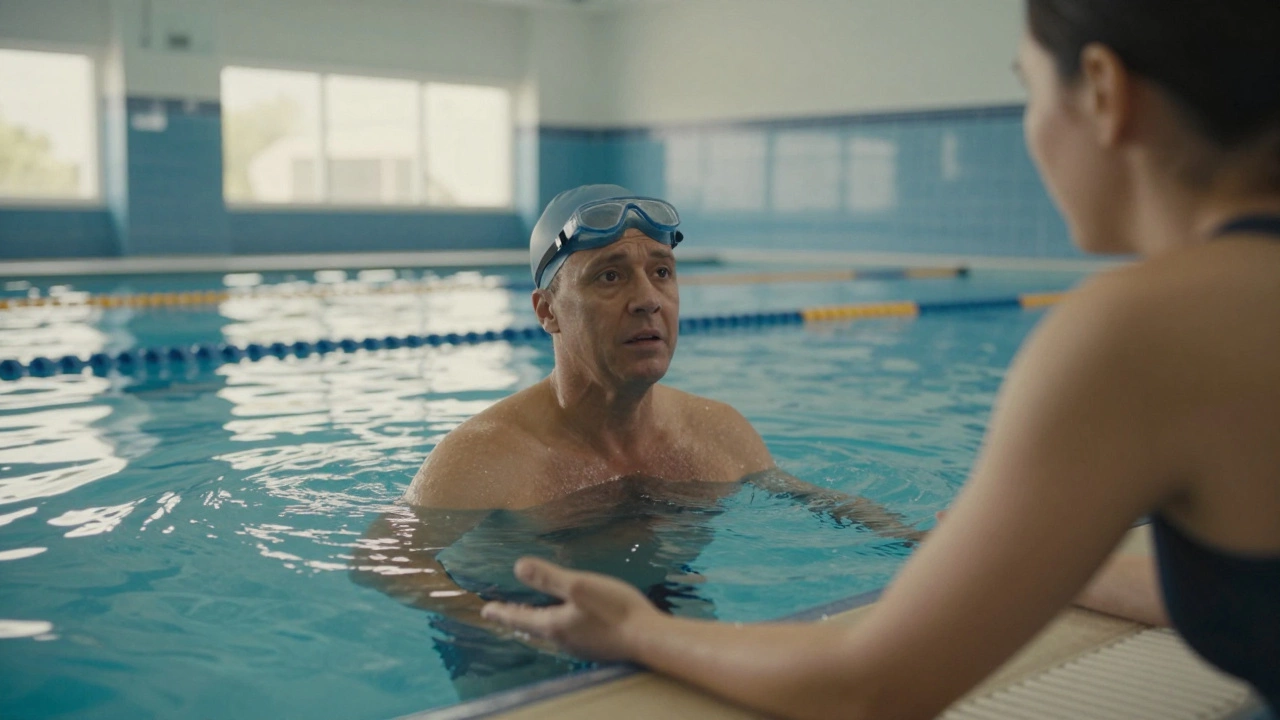
Many people reach middle age wondering if it is too late to master a skill most children seem to pick up effortlessly. The short answer is yes, absolutely. You can definitely learn to swim as an adult. In fact, adult swimming lessons is one of the fastest-growing segments in aquatic education right now. Your brain remains plastic, meaning you retain the ability to form new muscle memories well past retirement age. While the process might look different than a toddler's lesson, the outcome is just as achievable.
The hesitation usually comes from a place of pride or deep-seated anxiety. You might feel silly wearing bright gear next to kids, or perhaps you had a bad experience in a pool years ago that makes your heart race when you hear splashing. This is normal. We are going to break down exactly how this works, what to expect physically, and how to navigate the emotional side of getting back into the water safely.
Understanding the Adult Mindset in the Water
When you were a child, learning was often forced upon you by parents or school curriculum. As an adult, you are making a conscious choice. This shifts the dynamic. You bring more life experience, but you also bring more noise in your head. Fear of looking awkward is the number one barrier. You want to know that instructors see hundreds of nervous adults every week. They do not judge your float.
A significant portion of adult non-swimmers suffer from something called aquaphobiaa specific fear of water environments that triggers anxiety or panic responses.. This isn't just being shy; it is a physiological stress response. When standing by the pool edge, your breathing might shallow out, your muscles tense, and your vision tunnels. This happens because your amygdala, the part of the brain handling fear, perceives open water as a threat. Overcoming this requires gradual exposure rather than being thrown into the deep end.
Instructors trained for adults know this trick. They start in the chest-deep area where you can stand comfortably. The goal is to establish trust with the water before you try to move through it. Once your brain registers the water as safe, your cortisol levels drop, and your body relaxes enough to float. Relaxation is the foundation of buoyancy. If you fight the water, it fights back.
Physical Changes and Adaptations
Your body has changed since you were ten years old. Muscle elasticity decreases, joint lubrication reduces, and lung capacity might not be what it used to be. These factors mean the learning curve feels steeper, but it doesn't mean you cannot succeed. You simply need to adjust the technique to fit your current physiology.
Flexibility plays a huge role in stroke efficiency. Tight hips can drag your legs down, while stiff shoulders limit arm recovery. Most beginner programs include dryland stretching routines specifically designed for swimmers. These are short sessions done outside the water to prepare your joints for rotation.
Breathing control is another major adjustment. In childhood, you learned to hold your breath. In adult lessons, we work on exhaling underwater. Exhaling keeps CO2 levels lower, preventing that desperate urge to gasp air the moment your face hits the surface. This rhythm takes practice. It feels unnatural at first, like holding a balloon against your throat until you get used to releasing it.
| Aspect | Children | Adults |
|---|---|---|
| Pace | Fast, repetitive drills | Sterilized, deliberate progressions |
| Focus | Fundamental motor skills | Mental blocks and safety awareness |
| Instructor Style | Demonstration-heavy | Conversational and supportive |
| Environment | Noise-tolerant groups | Quiet, low-distraction settings preferred |
Choosing the Right Instructor and Setting
Finding the right coach matters more for adults than it does for kids. Group classes are great for social learners, but many adults prefer private sessions initially. There is less pressure without a crowd watching you flail about in the lane.
Look for certified professionals. Credentials vary depending on where you live, but certifications from recognized bodies like the Royal Life Saving Society or equivalent state-based aquatic authorities indicate they understand risk management. Do not rely on random lifeguards or untrained friends to teach you. They might enjoy helping, but they lack the pedagogical structure to build long-term skills safely.
Location also impacts your consistency. If the pool is twenty minutes away, you will eventually stop going. Choose a facility within walking distance or easily accessible via public transport. Consistency beats intensity. Swimming three times a week at a local community center is better than once a month at a fancy hotel complex. Local pools in areas like Adelaide often have dedicated "Learn to Swim" lanes reserved for beginners during off-peak hours.
Gear Essentials for Beginners
You do not need expensive equipment to start, but certain tools make the difference between frustration and fun. Goggles are mandatory for visibility. Without them, chlorine irritates your eyes, and you instinctively keep them shut. Closed eyes mean you cannot tell where the lane line is, leading to collisions.
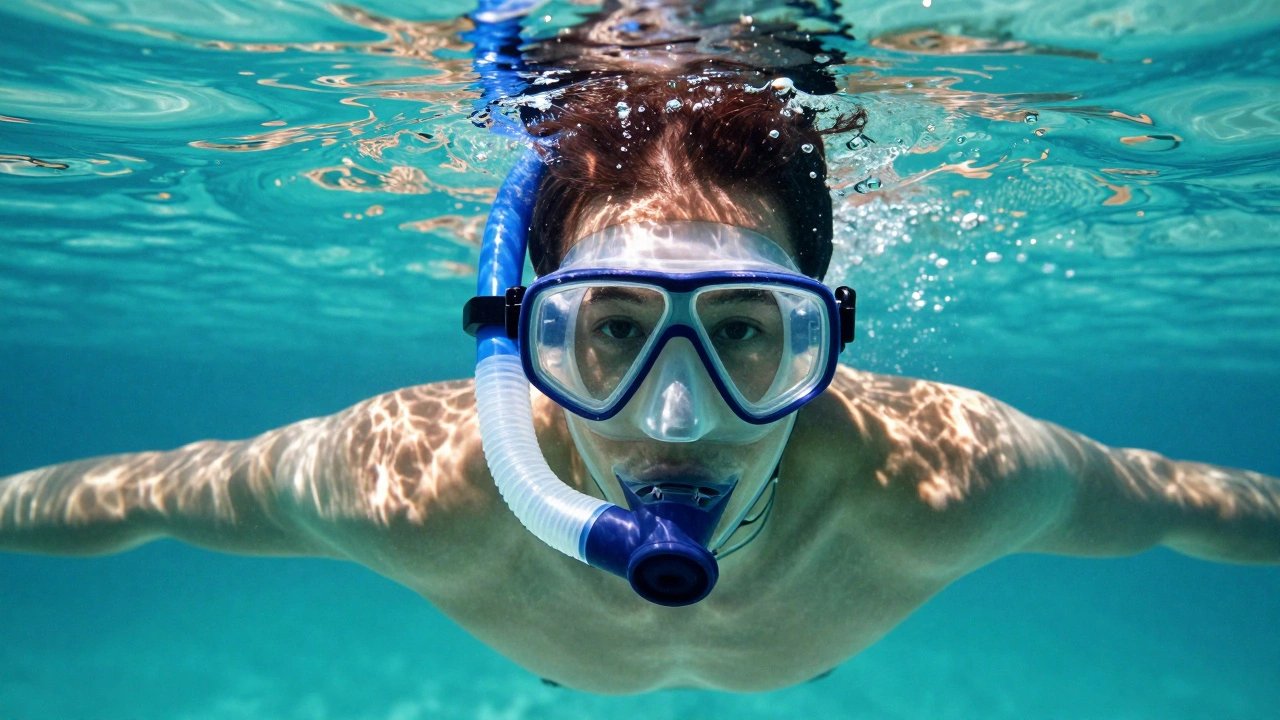
A snorkel with a face mask can be incredibly useful for adults. This setup allows you to breathe through your mouth without lifting your head, keeping your spine in a neutral position. It isolates the leg kick and body glide so you can focus entirely on kicking and breathing without worrying about your face staying submerged.
Flotation devices like pull buoys are helpful, but use them sparingly. Relying too much on foam pads stops you from understanding natural buoyancy. Think of these as training wheels. Eventually, you must ride without them. A proper swimsuit also matters. Baggy shorts create drag. Snug fits help you feel the resistance of the water correctly.
The Learning Timeline and Milestones
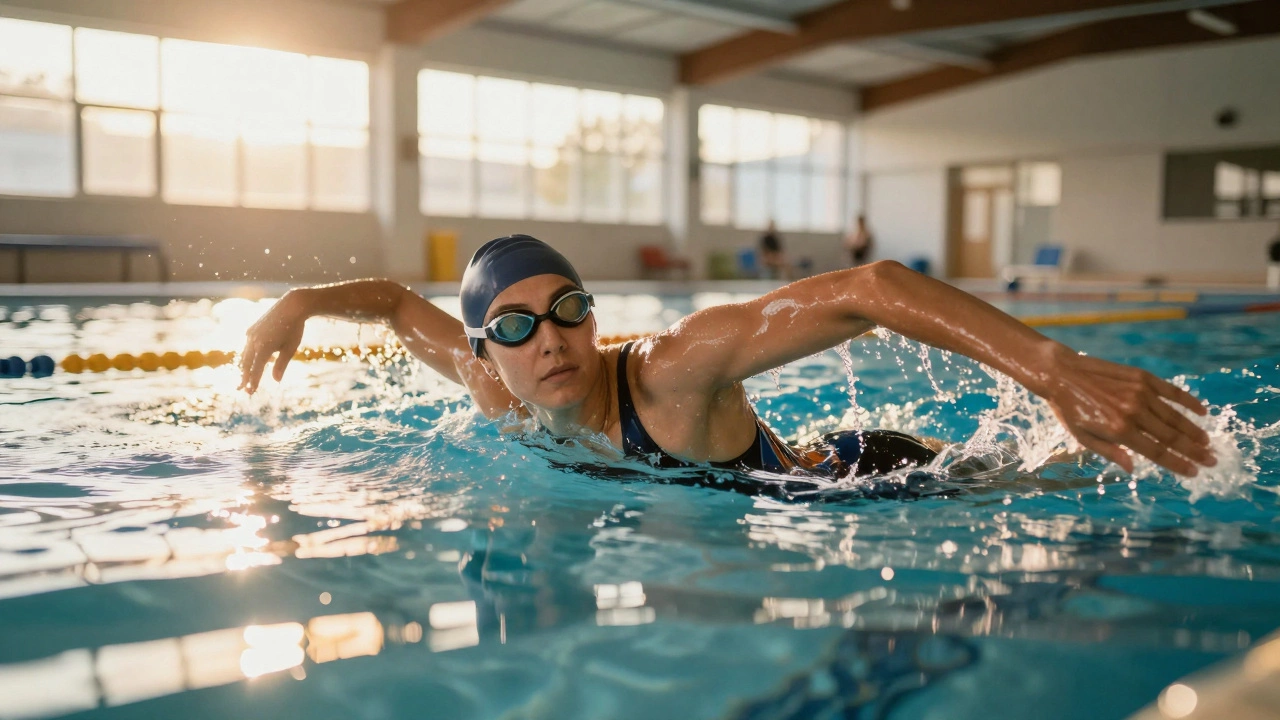
Expectations play a critical role in whether you quit or stick with it. Most adults achieve basic survival skills-floating, treading water, and moving across the length of the pool-within 8 to 12 weeks of consistent training. This timeline assumes two thirty-minute sessions per week.
The journey follows a predictable path. First, you master water comfort (getting wet). Second, you master floating (back and front). Third, you learn propulsion (kicking and pulling). Fourth, you integrate breathing with movement. Finally, you refine style and endurance.
Plateaus are real. You might spend three weeks struggling to put your face in the water. Then, suddenly, one day it clicks, and everything falls into place. This is known as the lightbulb moment in skill acquisition. Trust the process. Your instructor has seen thousands of adults go through this exact phase.
Long-Term Benefits Beyond Swimming
Once you gain competence, swimming becomes a lifelong tool. It offers full-body cardiovascular exercise with zero impact on your joints. Unlike running, it helps arthritis rather than hurting it. It also improves respiratory function, forcing you to engage your diaphragm deeply.
Beyond health, there is the mental relief. The rhythmic nature of stroking creates a meditative state. Many students report significant stress reduction after their sessions. Plus, knowing how to swim provides peace of mind in accidental water emergencies, whether near a coastal beach or a home pool.
Is there an age limit for starting adult swim lessons?
There is no upper age limit. People in their sixties, seventies, and eighties successfully learn to swim. The key is adapting exercises to fitness levels and ensuring medical clearance if there are pre-existing heart conditions.
How much do private lessons cost?
Costs vary by region and facility type. Private coaching typically ranges significantly higher than group classes. Check with local councils or community centers for subsidized rates compared to private clubs.
I am terrified of submerging my face. Will this be forced?
Reputable instructors never force a student. Submersion is gradual. You might start by blowing bubbles with your nose above the water before ever dipping your whole face in. Safety comes before speed.
Can I learn if I have limited mobility?
Absolutely. Adaptive swimming techniques exist for various disabilities. Hydrostatic pressure provides support that land exercises cannot, making movement smoother for those with mobility issues.
How long until I can swim a full lap?
Most committed adults can swim a full 25-meter lap unassisted within 3 to 4 months of consistent practice. Mastery takes longer, but basic competency arrives sooner.