Is It Too Late to Learn Swimming at 40? A Realistic Guide for Adults
Adult Swimming Readiness & Gear Planner
Water Confidence Check
Answer these questions to gauge your starting point.
Essential Gear Kit
Select items based on your needs to see your total estimated cost.
Anti-Fog Goggles
Reduces panic by allowing visual orientation.Silicone Swim Cap
Keeps hair clear; maintains warmth.Front-Facing Snorkel
Game-changer for breathing anxiety.Proper Swimsuit
Allows full range of motion for stiff joints.Your Learning Timeline
Based on attending 2 lessons per week. Scroll or click to see progression.
Focus on breathing, blowing bubbles, and floating. Trusting buoyancy.
Introducing flutter kick and arm movements. Using kickboards.
Combining breathing with strokes. Swimming 5-10 meters without stopping.
Refining form, increasing distance, learning breaststroke/backstroke.
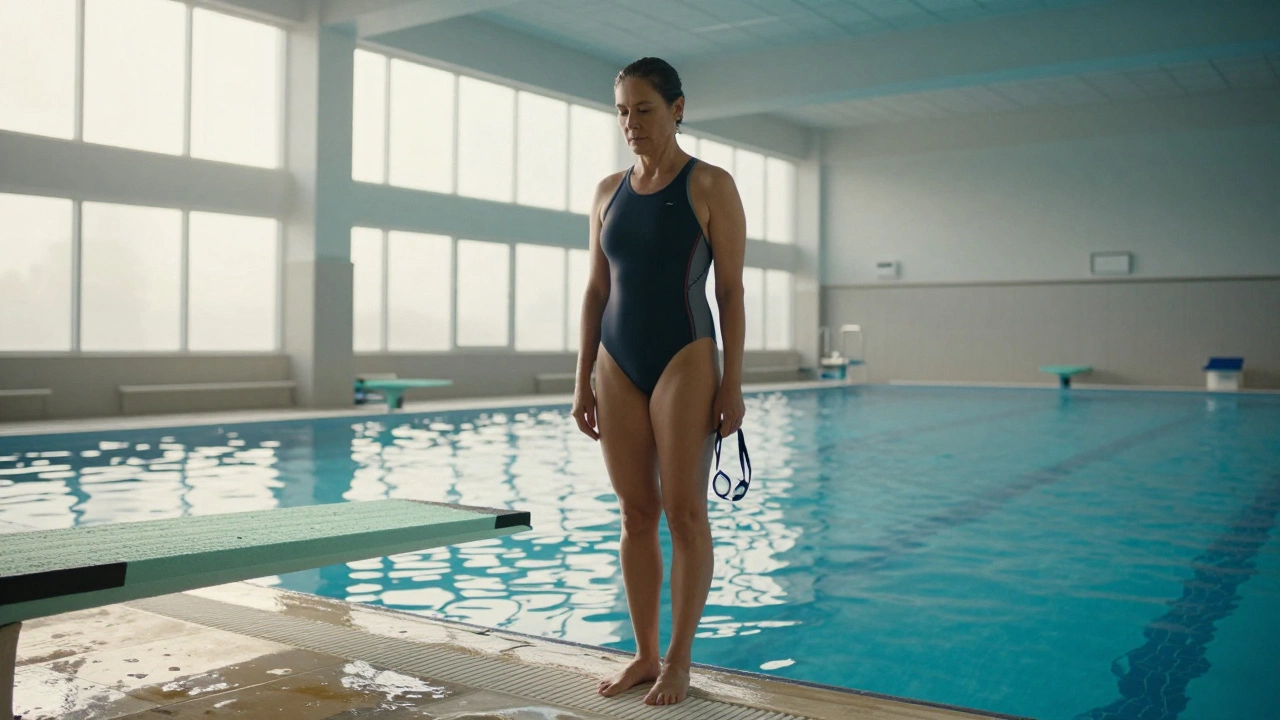
There is a persistent myth that swimming is a skill you must master as a child. You hear it all the time: "You can't teach an old dog new tricks," or worse, "Your lungs are too small now." If you are sitting on the edge of a pool at 40 years old, feeling self-conscious about your age while watching toddlers splash around, take a deep breath. The answer is a resounding no-it is absolutely not too late.
In fact, learning to swim in your forties offers advantages that children simply do not have. You have better discipline, a clearer understanding of instructions, and often a stronger motivation to improve your health. While your body may recover slightly slower than it did at ten, your cognitive ability to process complex motor skills is at its peak. The real question isn't whether you *can* learn, but how to approach it without injury or frustration.
The Biological Reality: What Changes After 40?
To tackle this effectively, we need to look at what is actually happening in your body. When you start learning swimming, a low-impact aerobic exercise that engages multiple muscle groups simultaneously, your body reacts differently than it did two decades ago. This isn't about being "old"; it's about being different.
Flexibility is the first hurdle. As we age, connective tissues like tendons and ligaments lose elasticity. For a beginner swimmer, this means your shoulders might feel stiff when trying to perform the overhead reach in a front crawl, or your hips might resist the kick. Unlike a child who can just "move their arm," you need to prepare your body. Incorporating dynamic stretching before entering the water is non-negotiable. Think of it as warming up a car engine on a cold morning-you wouldn't rev it immediately.
Another factor is Bone density. By 40, many people begin to experience the early stages of bone mass reduction. Swimming is fantastic because it is weightless, which protects your joints. However, improper technique-like diving into shallow water or snapping your head back violently during breathing drills-can strain the cervical spine. Your neck muscles haven't been conditioned for this movement yet. Protecting your neck is priority number one.
Then there is lung capacity. While your maximum oxygen uptake (VO2 max) naturally declines with age, your efficiency can improve dramatically. Adult learners often struggle with breath control not because their lungs are weak, but because they panic. Panic causes rapid, shallow breathing. Learning to exhale slowly through the mouth underwater is a mental skill as much as a physical one.
The Mental Barrier: Fear vs. Anxiety
If you are reading this, you likely aren't afraid of the concept of swimming. You are probably anxious about the sensation of being unsupported by the ground. This is common. In psychology, this is often linked to a lack of early positive exposure to water. But here is the good news: anxiety is manageable. Fear is immediate danger; anxiety is anticipation of danger. You can train out anxiety.
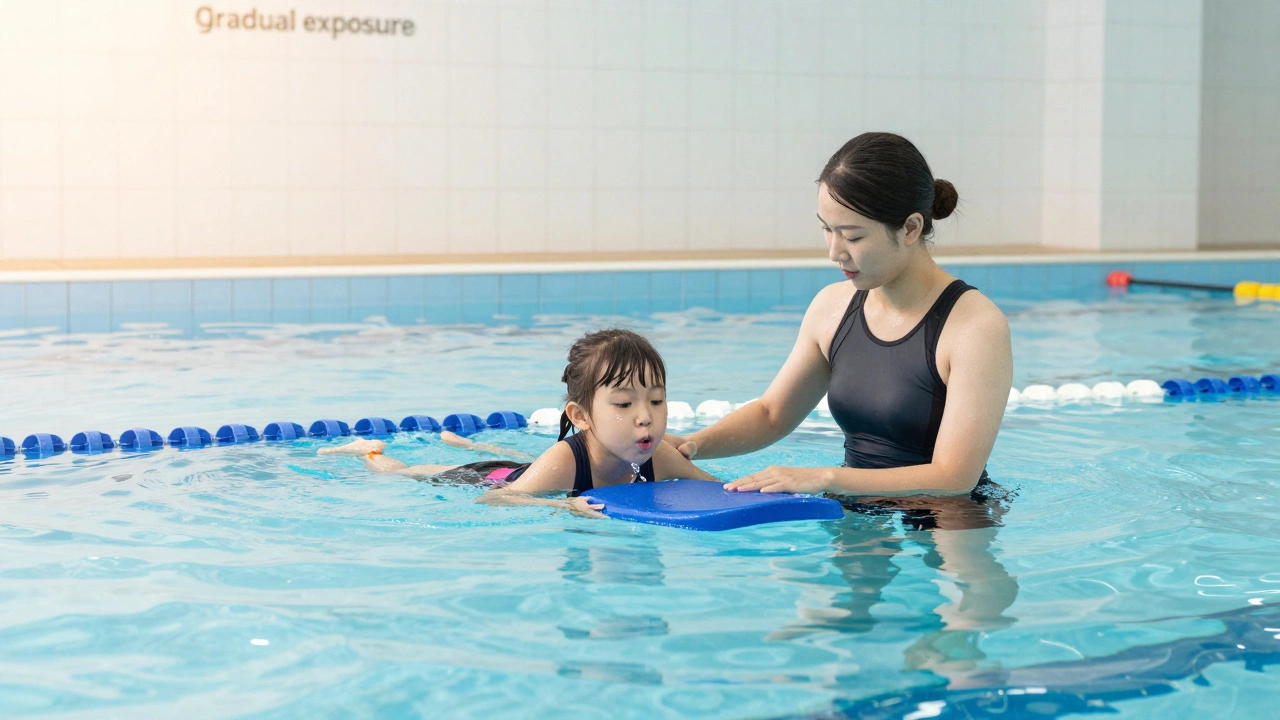
Many adults who start swimming lessons carry a specific trauma or memory-a slip in a bathtub, a near-drowning incident, or just a general sense of helplessness. Acknowledging this is step one. Step two is gradual exposure. Do not jump into the deep end. Start with standing in waist-deep water. Practice blowing bubbles. Get comfortable with the sound of water rushing over your ears. This sensory adaptation reduces the "startle response" that catches so many beginners off guard.
You also need to deal with the ego. In a class full of 15-year-olds, you will be the oldest. In a class of other adults, you might be the only one who cannot float. This vulnerability is uncomfortable. But remember: everyone else is focused on their own struggle. No one is judging your form; they are worried about their own face falling into the water. Embrace the awkwardness. Laugh at yourself. The moment you stop taking yourself seriously, the water stops feeling threatening.
Finding the Right Environment: Lessons vs. Self-Taught
Can you learn to swim by watching YouTube videos? Technically, yes. Practically, no. Water provides instant feedback-if you sink, you sink. Without a coach to correct your buoyancy or breathing timing, you will likely develop bad habits that are hard to break later. More importantly, you need a safe environment.
Look for adult swimming lessons specifically designed for beginners. Many community centers offer these, but quality varies. Avoid classes that mix ages indiscriminately. You need an instructor who understands adult physiology and psychology. A good instructor won't throw you into the deep end to "build confidence." They will use tools like kickboards, pull buoys, and flotation belts to help you find balance.
In Adelaide, where I live, local pools often have structured programs for adults. Look for terms like "Learn to Swim" rather than "Lap Swimming." Ask questions before signing up: Is the class ratio low (ideally 6 students to 1 teacher)? Does the curriculum cover survival skills like floating and treading water? These are more important than perfect stroke mechanics in the beginning.
If group classes make you too nervous, consider private lessons. Yes, they cost more, but the personalized attention accelerates progress significantly. You can pause when you're tired, ask repetitive questions, and focus entirely on your comfort level. It is an investment in your safety and speed of learning.
Essential Gear for the Adult Beginner
You don't need expensive equipment to start, but having the right basics makes a huge difference. Here is what you should prioritize:
- Goggles: Clear vision reduces anxiety. If you can see the bottom of the pool, you feel more grounded. Choose anti-fog goggles that fit your face shape comfortably. Leaky goggles cause distractions and headaches.
- Swim Cap: Not just for hygiene. A silicone cap keeps your hair out of your face, allowing you to focus on breathing. It also helps you stay warmer, which is crucial if you get cold easily.
- Snorkel: This is a game-changer for adult learners. A front-facing snorkel allows you to practice arm movements and body position without worrying about turning your head to breathe. It removes the complexity of breathing from the equation, letting you focus solely on coordination.
- Fitness Swimsuit: Avoid cotton t-shirts. They become heavy and restrictive when wet. A proper swimsuit reduces drag and allows full range of motion in your shoulders and hips.
| Item | Purpose | Why It Matters for Age 40+ |
|---|---|---|
| Goggles | Vision protection | Reduces panic by allowing visual orientation; prevents eye irritation from chlorine. |
| Snorkel | Breathing aid | Eliminates breathing anxiety, allowing focus on stroke mechanics and relaxation. |
| Silicone Cap | Hair management | Keeps hair clear of face; maintains warmth to prevent muscle stiffness. |
| Proper Swimsuit | Hydrodynamics | Clothing weighs down the body; proper suits allow free movement for stiff joints. |
The Learning Curve: What to Expect
Progress is not linear. You might spend three weeks just getting comfortable floating on your back. Then, suddenly, you'll realize you can glide across the pool. Here is a realistic timeline for most adult beginners attending lessons twice a week:
- Weeks 1-4: Water Acclimation. Focus on breathing, blowing bubbles, and floating. You will learn to trust the water's buoyancy. This is the hardest phase mentally.
- Weeks 5-8: Basic Propulsion. Introducing the flutter kick and basic arm movements. You will likely use kickboards. Coordination between arms and legs is key here.
- Weeks 9-12: Stroke Integration. Combining breathing with strokes. You will start swimming short distances (5-10 meters) without stopping. Fatigue will set in quickly.
- Months 4-6: Endurance and Technique. Refining form, increasing distance, and learning different strokes like breaststroke or backstroke.
Remember, consistency beats intensity. Two 30-minute sessions a week are far better than one exhausting two-hour session. Your body needs time to adapt to the new movements. Overtraining leads to soreness, which leads to skipping lessons, which breaks momentum.
Safety First: Smart Practices for Older Beginners
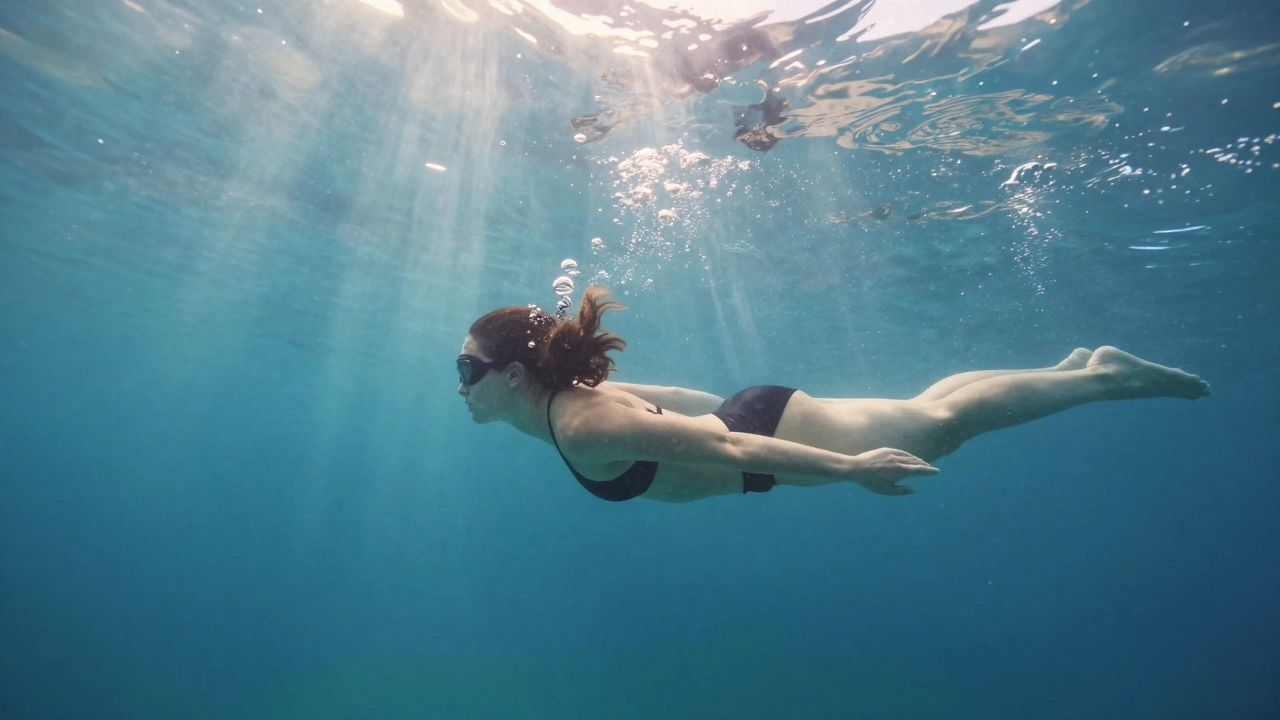
As you get older, your body's warning signals become subtler. Dizziness, slight chest tightness, or unusual fatigue are signs to stop. Never ignore them. Swimming places unique stress on the heart due to the horizontal position and water pressure. If you have any pre-existing conditions, consult your doctor before starting.
Also, be mindful of hydration. You sweat in the pool, even though you don't feel it. Dehydration affects muscle function and recovery. Drink water before and after every session. And never swim alone until you are fully confident in your abilities. Even experienced swimmers can encounter cramps or unexpected currents.
Finally, listen to your joints. If your shoulders hurt after practice, ice them and rest. Don't push through pain. Recovery is part of the training. Your goal is lifelong enjoyment, not a medal in next month's competition.
Benefits Beyond the Pool
Learning to swim at 40 transforms more than just your fitness. It improves cardiovascular health, strengthens core muscles, and enhances flexibility. But the mental benefits are profound. Swimming requires focus and mindfulness. You cannot think about your work emails while you are trying to coordinate your breathing and kicking. It becomes a moving meditation.
It also builds resilience. Every time you overcome the urge to grab the wall and stand up, you are proving to yourself that you can handle discomfort. That confidence spills over into other areas of life. You start to view challenges as solvable problems rather than insurmountable obstacles.
So, is it too late? Absolutely not. The water doesn't care about your birth year. It only responds to your effort. Dive in, stay patient, and enjoy the journey.
How long does it take to learn to swim at 40?
For most adults attending regular lessons (2-3 times a week), basic competency-floating, treading water, and swimming 25 meters with a simple stroke-takes about 3 to 6 months. Mastery and endurance building continue beyond that. Consistency is more important than speed.
Is swimming safe for people with high blood pressure?
Generally, yes. Swimming is low-impact and can help lower blood pressure over time. However, sudden immersion in cold water can cause a temporary spike. Always consult your doctor before starting, enter the water gradually, and avoid holding your breath for extended periods.
What if I am afraid of putting my face in the water?
Start with a snorkel. It allows you to practice swimming motions without submerging your face. Gradually, try placing your chin in the water while looking forward. Work with a patient instructor who respects your pace. Exposure therapy works best when controlled and slow.
Can I learn to swim without taking formal lessons?
It is possible but not recommended for complete beginners. Formal lessons provide safety supervision, corrective feedback, and a structured progression. Self-teaching often leads to poor technique, inefficiency, and increased risk of accidents due to lack of situational awareness.
Does swimming help with joint pain?
Yes. The buoyancy of water supports up to 90% of your body weight, reducing stress on knees, hips, and spine. It is one of the best exercises for arthritis and chronic joint pain. Just ensure you use gentle techniques and avoid aggressive kicking initially.