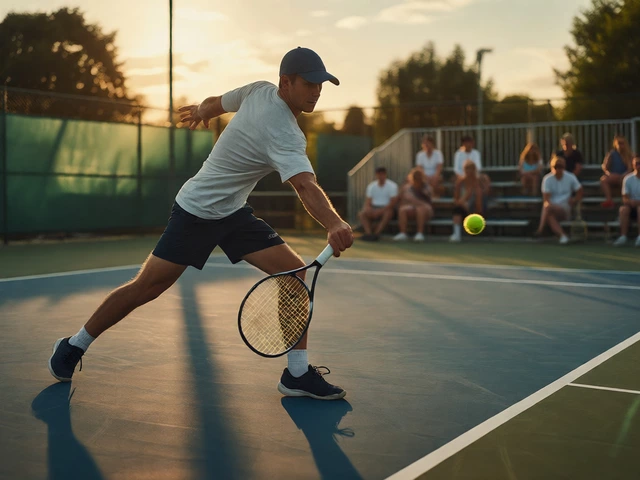
Sports Clothing and Equipment Guide: Types, Materials, and How to Choose
Sports Kit Readiness Scorecard
Answer these questions to see if your current wardrobe meets professional standards for performance and safety.
Your Score
You wouldn't try to run a marathon in jeans, and you certainly wouldn't play rugby without pads. But beyond those obvious choices, the world of sports clothing and specialized athletic gear designed for specific physical activities is surprisingly complex. Getting your kit right isn't just about looking good on the field or court; it’s about safety, performance, and preventing injury. Whether you are a weekend warrior hitting the local park or an aspiring pro training for nationals, understanding what goes into your wardrobe can change how you play.
We often treat all gym clothes as interchangeable. That black t-shirt from last year? It’ll do for soccer practice, right? Wrong. Modern athletic wear is engineered with specific fabrics and cuts that dictate how your body moves, breathes, and protects itself. Let’s break down the actual categories of sports gear so you stop guessing and start performing.
The Foundation: Base Layers and Moisture Management
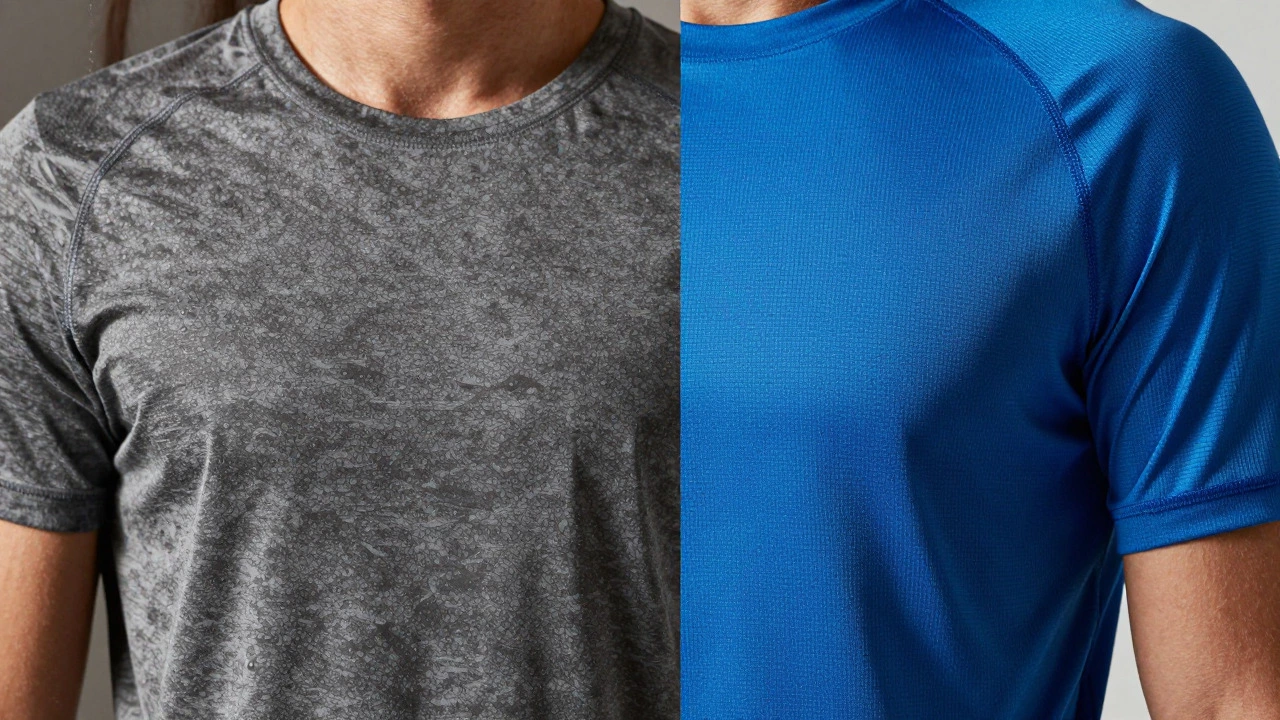
Before you put on your jersey or helmet, there is the layer closest to your skin. This is where most people make their biggest mistake. Cotton is comfortable for lounging on the couch, but it is terrible for sweating. When cotton gets wet, it stays wet. It clings to your skin, chafes, and makes you cold if the temperature drops. In high-intensity sports, this leads to overheating or hypothermia depending on the environment.
The solution lies in synthetic moisture-wicking fabrics. Materials like polyester blends and nylon pull sweat away from your body to the outer surface of the fabric where it can evaporate. For colder climates, merino wool has become a favorite among athletes. Unlike synthetic fibers, natural merino wool regulates temperature exceptionally well-it keeps you warm when you’re standing still at the start line and cool when you’re sprinting. It also resists odors better than almost any other material, meaning you can wear the same base layer for multiple days of training without it smelling up the locker room.
- Synthetic Blends: Best for high-sweat activities like HIIT, running, and basketball. They dry fast and are durable.
- Merino Wool: Ideal for endurance sports in variable weather, such as hiking, trail running, or winter cycling.
- Compression Gear: Tight-fitting base layers that improve blood circulation and reduce muscle vibration. Great for recovery and heavy lifting.
Performance Apparel: Jerseys, Shorts, and Compression
Once your base layer is sorted, you move to the mid-layer or primary apparel. This is the visible part of your uniform, but its function varies wildly by sport. A soccer jersey needs to be lightweight and loose enough to allow full range of motion for kicking and jumping. A cycling jersey, on the other hand, is cut aerodynamically to reduce wind resistance and often includes pockets for nutrition on the back.
Shorts and pants also follow strict functional rules. Basketball shorts are long and loose to prevent friction between thighs during lateral movements. Running tights are tight to eliminate air drag and keep muscles warm. Golf pants need to look presentable while allowing a full rotational swing. The key here is fit. Clothes that are too baggy can get caught on equipment (like bike chains or tennis rackets), while clothes that are too tight can restrict breathing or movement.
Don't overlook the importance of seams. Flat-lock stitching prevents chafing, which is a real pain point for runners and cyclists covering long distances. If you’ve ever finished a workout with red marks on your shoulders or inner thighs, your apparel’s construction was likely the culprit, not just the distance.
Footwear: The Interface Between You and the Ground
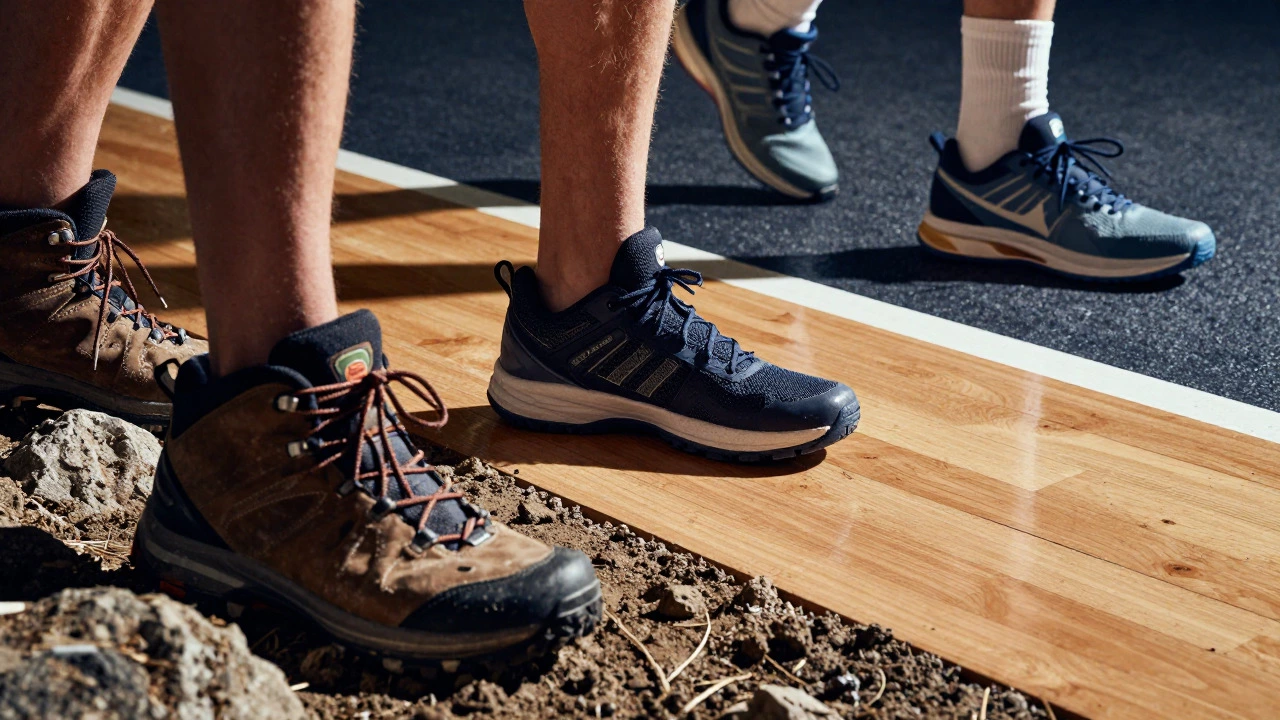
If your shirt is wrong, you might feel uncomfortable. If your shoes are wrong, you will get injured. Footwear is the most critical piece of sports equipment because it absorbs the impact of every step, jump, and turn. There is no such thing as a "universal" athletic shoe.
| Sport Type | Key Feature | Why It Matters |
|---|---|---|
| Running | Cushioning & Heel Drop | Absorbs repetitive vertical impact to protect knees and hips. |
| Basketball/Tennis | Lateral Support & Ankle Stability | Prevents rolling ankles during side-to-side quick cuts. |
| Cross-Training/Gym | Flat, Stable Sole | Provides a solid base for lifting weights without wobbling. |
| Hiking/Trail | Grip & Protection | Rugged outsoles handle rocks and mud; toe caps protect feet. |
Running shoes focus on forward momentum and shock absorption. They have thick midsoles made of EVA foam or newer proprietary foams to cushion the heel strike. Basketball shoes prioritize ankle support and grip for sudden stops. Cross-training shoes, used for weightlifting or general gym work, need a flat, hard sole. If you try to squat heavy weights in soft running shoes, the unstable foam compresses, throwing off your balance and putting stress on your lower back. Match the shoe to the movement pattern, not just the brand logo.
Protective Gear: Safety First
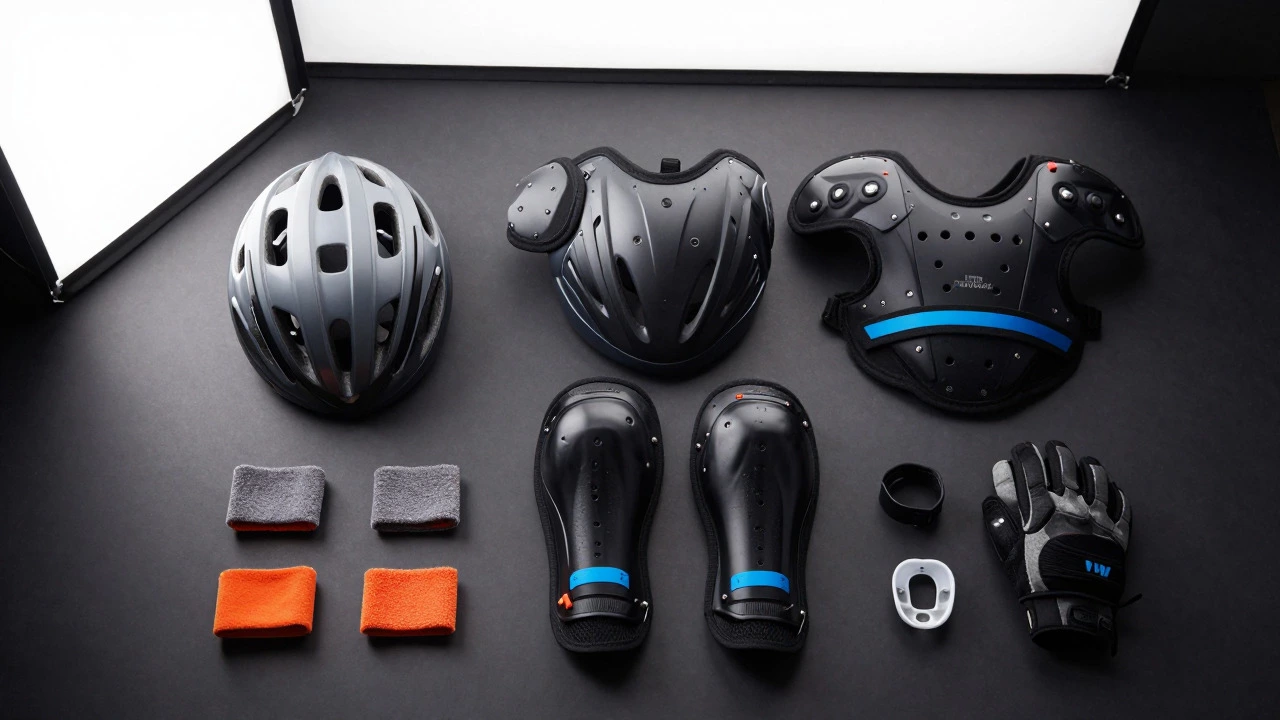
In contact sports or high-speed activities, clothing transitions into equipment. This category is non-negotiable. Protective gear is designed to absorb kinetic energy and distribute force across a larger area of the body to prevent fractures, concussions, and abrasions.
Head protection is the most obvious example. Helmets for cycling, skiing, and football use expanded polystyrene (EPS) foam. When you hit your head, the foam crushes upon impact, absorbing the energy that would otherwise transfer to your skull and brain. Once a helmet has been involved in a significant impact, it must be replaced, even if it looks fine. The internal structure is compromised.
Body armor includes shoulder pads, rib protectors, and shin guards. Rugby players wear padded vests to protect against collisions. Cyclists often wear padded shorts with a chamois-a specialized foam pad-to protect sit bones during long rides. Even in non-contact sports like martial arts, gloves and mouthguards are essential. Mouthguards don’t just protect teeth; they help align the jaw and reduce the risk of concussion by absorbing shock from impacts to the face.
Sport-Specific Accessories and Tools
Beyond clothing and protection, many sports require specific tools that extend your body’s capabilities. These are often referred to as implements or apparatus.
In racket sports like tennis and badminton, the racket is an extension of your arm. The string tension, frame material (graphite vs. aluminum), and head size all affect power and control. In golf, clubs are categorized by loft and shaft length, each designed for a specific distance and trajectory. Swinging a driver requires different mechanics than using a wedge.
Even simpler accessories matter. Wristbands and headbands manage sweat to keep it out of your eyes. Gloves provide grip for weightlifters or climbers. Swim goggles equalize pressure and protect eyes from chlorine. Don’t underestimate these small items; they solve specific problems that can distract you from performance.
How to Build Your Kit: A Practical Checklist
Building a sports wardrobe doesn’t mean buying everything at once. Start with the essentials based on your primary activity.
- Assess the Environment: Are you indoors or outdoors? Hot or cold? Wet or dry? This dictates your fabric choice.
- Prioritize Footwear: Buy the best shoes you can afford for your specific sport. Replace them every 300-500 miles or when the tread wears down.
- Invest in Base Layers: Get two or three moisture-wicking shirts. Avoid cotton entirely for active wear.
- Add Protection: If your sport involves collision, speed, or impact, buy certified protective gear. Look for standards like CPSC for helmets or ASTM for pads.
- Accessorize Later: Add socks, hats, and bags once the core kit is established. Merino wool socks are a great upgrade for foot comfort.
Quality matters more than quantity. One pair of proper running shoes is worth more than five pairs of generic sneakers. Fit is personal, so always try things on if possible. Pay attention to how the garment feels when you move, not just when you stand still.
Can I wear cotton clothes for working out?
It is generally not recommended. Cotton absorbs sweat and holds it against your skin, which can lead to chafing, discomfort, and rapid cooling after exercise. Synthetic fabrics like polyester or natural options like merino wool wick moisture away, keeping you drier and more comfortable.
How often should I replace my sports shoes?
Most athletic shoes lose their cushioning and support after 300 to 500 miles of use. If you run five miles a day, that’s roughly every two to three months. Look for signs of wear on the outsole tread or notice if you start feeling more joint pain after workouts.
What is the difference between compression gear and regular tight clothing?
Compression gear is engineered with graduated pressure zones that apply more pressure at the extremities (like ankles) and less further up. This helps improve venous blood return to the heart, potentially reducing muscle fatigue and speeding up recovery. Regular tight clothes just fit snugly without this therapeutic pressure gradient.
Do I need special shoes for cross-training?
Yes. Cross-training shoes are designed to be versatile. They offer enough cushioning for light cardio but have a flatter, more stable sole for weightlifting and lateral movements. Using running shoes for heavy lifting can be dangerous due to the unstable, compressible foam.
Is expensive sports clothing worth the money?
For high-performance activities, yes. Premium brands invest in research for better moisture management, durability, and ergonomic fits. However, for casual exercise, mid-range options often provide sufficient quality. The biggest investment should always be in footwear, as poor shoes directly impact injury risk.