What is the next tennis major in 2024? Schedule and Key Dates
2024 Grand Slam Tracker
Explore the 2024 tennis calendar below. Click on any tournament to view detailed information about its surface, location, and key characteristics.
Australian Open
Jan 14 – Jan 28 | Melbourne, Australia
French Open (Roland Garros)
May 26 – Jun 9 | Paris, France
Wimbledon
Jul 1 – Jul 14 | London, UK
US Open
Aug 26 – Sep 8 | New York, USA
It’s October 2026, and while we’re all still buzzing from the recent Australian Open drama in Melbourne, a lot of fans are looking back at how the calendar actually played out in 2024. You might be asking, "What was the next tennis major in 2024?" It’s a fair question, especially if you’re trying to plan your viewing for future seasons or just want to understand the rhythm of the pro tour. The truth is, there isn’t just one "next" major; it’s a relentless four-part series that dictates the entire year.
The Grand Slams are the crown jewels of tennis. They offer the most points, the biggest prize money, and the most prestige. If you missed the 2024 action, here’s exactly what happened and why the order matters so much. We’ll break down the sequence, the surface changes, and the specific dates that defined that season. This isn’t just about memorizing dates; it’s about understanding why players train differently for January versus June.
Understanding the Grand Slam Cycle
Tennis operates on a unique calendar compared to other sports. There is no single "season" in the traditional sense. Instead, the year is anchored by four tournaments: the Australian Open, the French Open (Roland Garros), Wimbledon, and the US Open. These aren't just regular stops; they are distinct entities with different physical demands. When people ask about the "next" major, they are usually referring to the chronological progression through these four events.
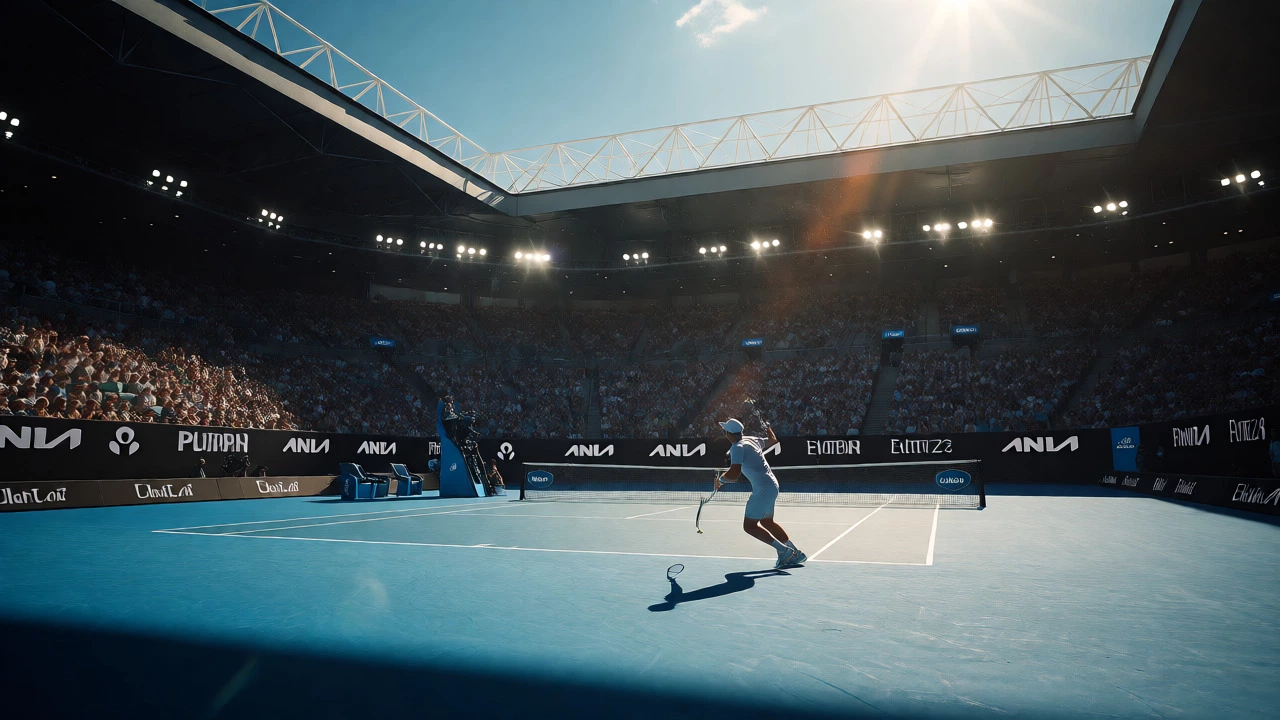
In 2024, the cycle began, as it always does, in the Southern Hemisphere summer. The Australian Open kicked things off in mid-January. For many players, this is the hardest transition because they’ve just spent their holidays recovering from the previous year. But for the top seeds, it’s the first chance to set the tone. The hard courts in Melbourne Park are fast but can get incredibly hot, testing endurance early in the year.
Once the Australian Open wraps up in late January, the tour moves to North America for indoor hard court events, then to South America and Europe for clay season prep. This leads us to the second major. If you were watching in May or June, the answer to "what is the next major" shifted to Paris.
The Clay Court Challenge: French Open 2024
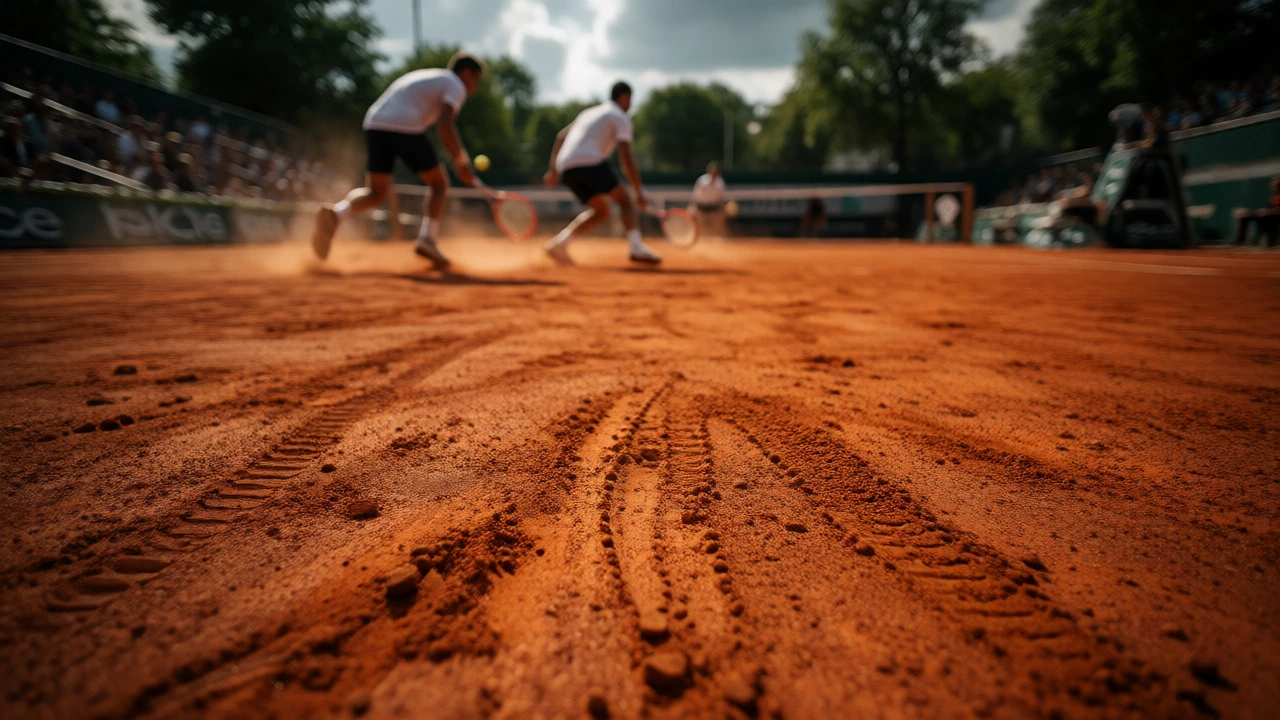
After the hard courts of Australia, the tour shifts dramatically to red clay. The French Open, held at Roland Garros in Paris, is arguably the most physically demanding tournament on the planet. Why? Because clay slows the ball down and allows it to bounce higher. Points last longer. Matches can stretch into five hours. In 2024, the French Open took place from May 26 to June 9.
This is where the concept of the "next major" becomes tricky for new fans. Between the Australian Open and the French Open, there are weeks of smaller tournaments like Monte Carlo or Madrid. But those don’t count as majors. The French Open is the only Grand Slam played on clay. If you’re wondering who won the next major after Australia in 2024, it was the champion of Roland Garros. Carlos Alcaraz claimed his first title there in 2024, defeating Alexander Zverev in a final that showcased exactly why clay is so brutal.
| Tournament | Dates (2024) | Surface | Location |
|---|---|---|---|
| Australian Open | Jan 14 - Jan 28 | Hard (Plexicushion) | Melbourne, Australia |
| French Open | May 26 - Jun 9 | Clay | Paris, France |
| Wimbledon | Jul 1 - Jul 14 | Grass | London, UK |
| US Open | Aug 26 - Sep 8 | Hard (DecoTurf) | New York, USA |
Grass Season and Wimbledon’s Tradition
Following the French Open, players have barely two weeks to switch surfaces again. They go from the slow, grinding clay of Paris to the slippery, fast grass of London. Wimbledon is the oldest tennis tournament in the world, dating back to 1877. It’s also the only major that retains strict dress codes and traditions, like strawberries and cream.
In 2024, Wimbledon ran from July 1 to July 14. Grass courts are low-bouncing and fast. Serve-and-volley tactics work better here than anywhere else. If you asked "what is the next major" in late June 2024, the answer was clearly Wimbledon. It sits right in the middle of the year, bridging the gap between the European clay season and the American hard court swing. Winning Wimbledon requires a completely different skillset than winning the French Open. Players like Novak Djokovic have historically thrived here due to their movement and net play, though the landscape changed significantly in 2024 with younger stars taking over.
The Final Stretch: US Open 2024
After Wimbledon, there’s a brief lull before the North American hard court season begins. Tournaments in Toronto and Cincinnati serve as warm-ups, but the main event is the US Open. Held in New York City, this is the last major of the year. In 2024, it took place from August 26 to September 8.
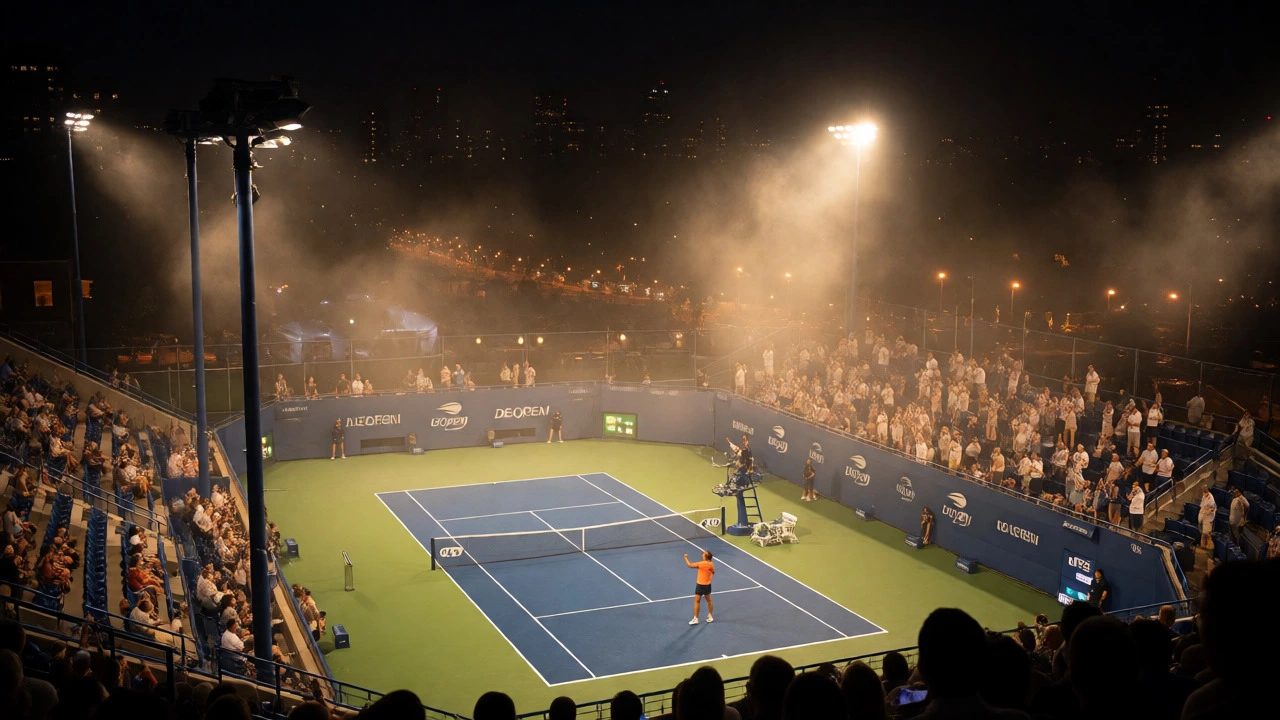
The US Open is known for its electric atmosphere. Unlike the quiet reverence of Wimbledon or the passionate roar of Roland Garros, Flushing Meadows is loud, chaotic, and party-like. The hard courts here are similar to Australia but often play slightly slower due to humidity and wear. By this point in the year, players are exhausted. This is where fitness and mental resilience matter most. Jannik Sinner won the 2024 US Open, capping off a dominant year. If you’re tracking the "next major" timeline, the US Open closes the book on the Grand Slam year, leading into the ATP Finals in November.
Why the Order Matters for Fans and Players
You might wonder why we can’t just play all the majors on the same surface. It comes down to biology and physics. Switching from clay to grass puts immense strain on joints and muscles. A player who specializes in baseline rallies struggles on grass where points end quickly. Conversely, a big server who dominates on hard courts might struggle on clay where the ball doesn’t skid low.
For fans, knowing the "next major" helps you prepare. Do you want to watch long, tactical battles? Tune in for the French Open. Do you prefer quick, aggressive tennis? Watch Wimbledon. The 2024 schedule followed the standard pattern, ensuring a logical progression of skills. If you’re planning for 2025 or 2026, remember that the dates shift slightly each year based on weekends, but the order never changes.
Common Misconceptions About Tennis Majors
One common mistake is confusing Masters 1000 events with Grand Slams. Events like Indian Wells or Miami are huge, but they are not majors. They award fewer ranking points and have less historical weight. Another misconception is that the "next major" implies a winner-takes-all scenario. Each major is independent. Winning the Australian Open doesn’t guarantee success at the French Open. In fact, many players specialize in one or two surfaces throughout their careers.
Also, note that mixed doubles and junior events happen simultaneously, but when people say "the next major," they almost always mean the men’s or women’s singles draw. That’s where the headlines are made. If you’re new to tennis, stick to the singles brackets until you understand the flow of the matches.
How many tennis majors are there in a year?
There are four Grand Slam tournaments, commonly referred to as majors, held annually: the Australian Open, the French Open, Wimbledon, and the US Open. No other tournaments hold this status.
Which surface is used for the French Open?
The French Open is played on red clay courts. This surface slows down the ball and produces a high bounce, making it the most physically demanding Grand Slam.
When did the 2024 US Open take place?
The 2024 US Open was held from August 26 to September 8 at the USTA Billie Jean King National Tennis Center in New York City.
Is the ATP Finals considered a major?
No, the ATP Finals is not a Grand Slam major. It is an end-of-season tournament featuring the top eight ranked players of the year. While prestigious, it does not carry the same historical weight or ranking points as a major.
Why do players switch surfaces during the year?
Players switch surfaces to test versatility and adaptability. Hard courts favor power and consistency, clay favors patience and spin, and grass favors speed and serving. Winning all four surfaces is a rare achievement known as the Career Grand Slam.