Why Quality Sports Gear Actually Matters for Your Performance
Sports Gear Performance & Safety Advisor
Select your primary activity and your current experience level to find the gear that will most impact your performance and safety.
Recommended Gear Strategy
The Science of Injury Prevention
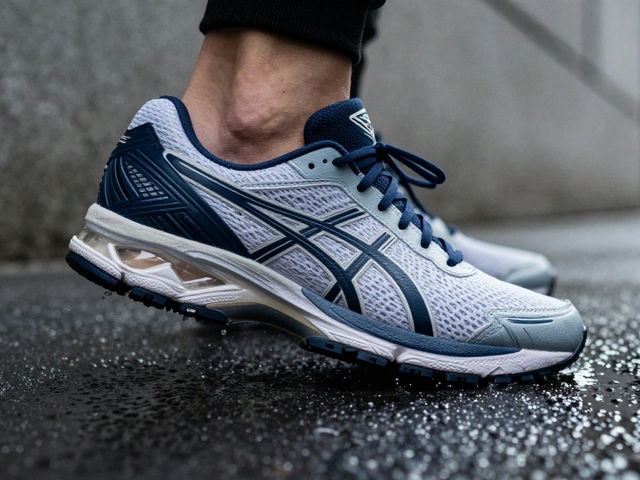
The most critical reason to invest in proper gear is safety. When you push your body, you're putting immense stress on your joints, ligaments, and muscles. Poor gear doesn't just fail to help; it can actually cause harm. Take running for example. If you wear flat-soled fashion sneakers for a 5K, you're risking stress fractures and shin splints. A pair of specialized running shoes provides Shock Absorption, which reduces the impact force on your ankles and knees by dispersing the energy of each stride.
In contact sports, the stakes are even higher. In American Football or rugby, a helmet isn't just a accessory-it's a life-saving tool. Modern helmets use advanced polymers to absorb the kinetic energy of a collision, reducing the risk of concussions. Even in non-contact sports, like weightlifting, a sturdy leather belt provides intra-abdominal pressure, which stabilizes the spine and prevents herniated discs during heavy squats. If you skip the gear, you're essentially gambling with your long-term health.
| Equipment Type | Key Attribute | Injury Prevented | Real-World Example |
|---|---|---|---|
| Stability Shoes | Arch Support | Plantar Fasciitis | Preventing foot collapse during long runs |
| Compression Sleeves | Graduated Pressure | Muscle Strains | Reducing vibration in calf muscles during sprints |
| Protective Padding | Impact Distribution | Contusions/Bruising | Shin guards in soccer protecting the tibia |
| Weightlifting Belt | Lumbar Support | Lower Back Strain | Maintaining a neutral spine during a 200lb squat |
Boosting Performance Through Material Engineering
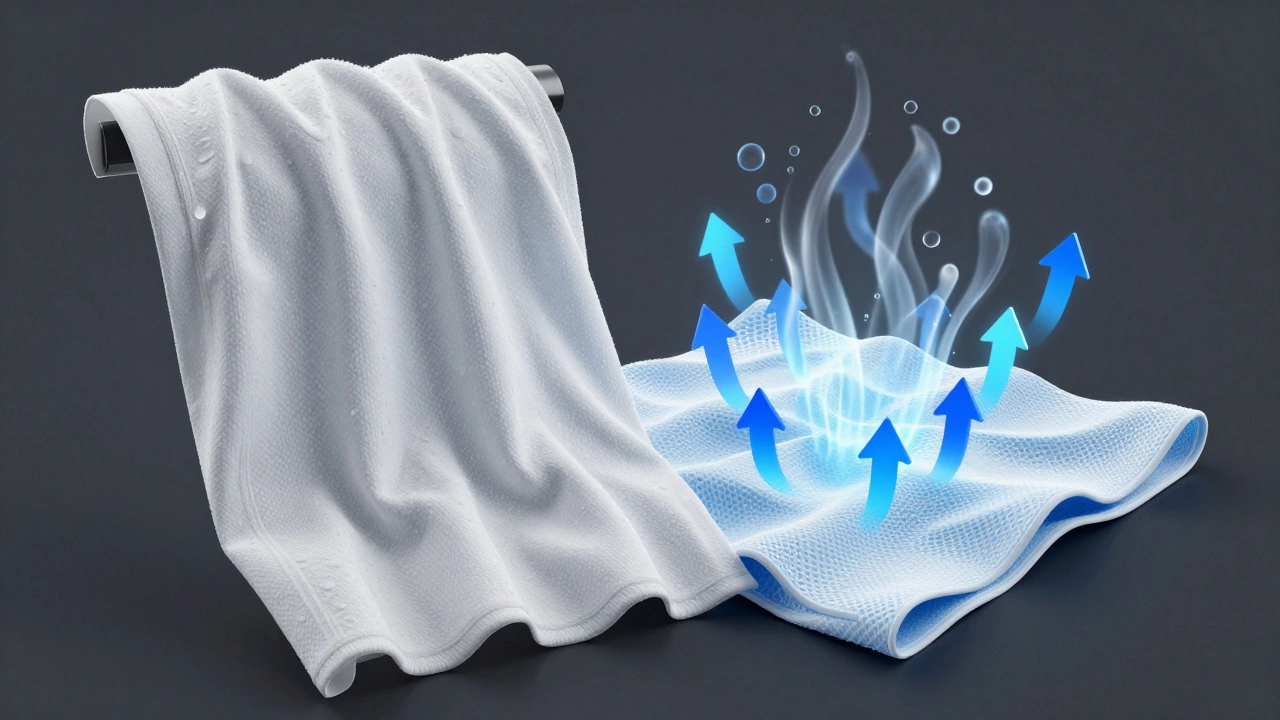
Beyond safety, sports gear is about efficiency. Every single gram of weight and every millimeter of fabric matters when you're competing. Traditional cotton clothing is a nightmare for athletes because it absorbs water and gets heavy. When you sweat in a cotton tee, the fabric clings to your skin, increases friction, and causes chafing. This is why Moisture-Wicking Fabric-usually a blend of polyester and spandex-was developed. These synthetic fibers pull sweat away from the skin to the surface of the fabric where it can evaporate quickly, keeping your core temperature stable.
Consider the evolution of swimwear. The introduction of polyurethane suits in the late 2000s was so impactful that they were eventually banned by FINA (the international swimming federation) because they made swimmers too fast by reducing drag and trapping air to increase buoyancy. While you might not be competing in the Olympics, the principle remains: the right gear reduces the energy wasted on fighting your environment, allowing you to put more power into your actual movement.
Even the grip of a shoe plays a massive role. A basketball player wearing smooth-soled shoes would slide across the hardwood, making quick pivots impossible. The high-friction rubber compounds used in Basketball Shoes allow for instant deceleration and explosive acceleration, which is the core of a player's agility. When your gear works with your body, you stop fighting your equipment and start focusing on the game.
The Psychological Edge and the "Enclothed Cognition" Effect
There's a mental component to gear that often goes unmentioned. Psychologists call it "enclothed cognition"-the idea that the clothes we wear change the way we think and behave. When you put on a professional-grade jersey, a crisp pair of cleats, or a high-end gym set, you aren't just changing your look; you're switching your brain into "athlete mode." This mental shift increases confidence and focus.
Have you ever noticed how you feel more motivated to workout when you're wearing a fresh set of gym clothes compared to an old pajama shirt? That's not just vanity. By dressing for the activity, you're signaling to your brain that it's time to perform. This psychological priming can lead to higher intensity during workouts and better resilience during a tough match. When you trust your gear, you stop worrying about whether your shoe will slip or your shirt will rip, and you enter a state of flow where your only focus is the goal.
Gear Selection for Different Fitness Levels
You don't need to spend thousands of dollars on day one, but you do need to be strategic about where you spend your money. The general rule of thumb is to invest most heavily in the "contact points"-the gear that directly touches the ground or supports your joints. For a runner, that's the shoes. For a cyclist, it's the saddle and the helmet. For a boxer, it's the Boxing Gloves and hand wraps.
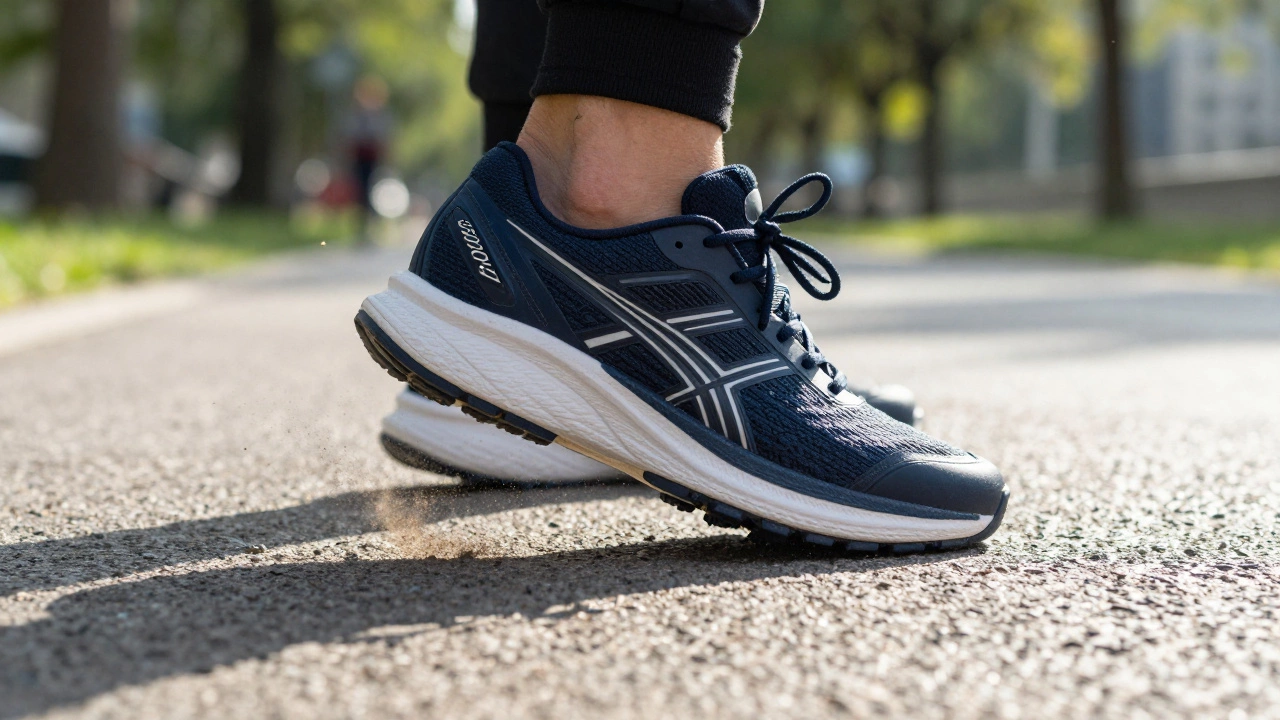
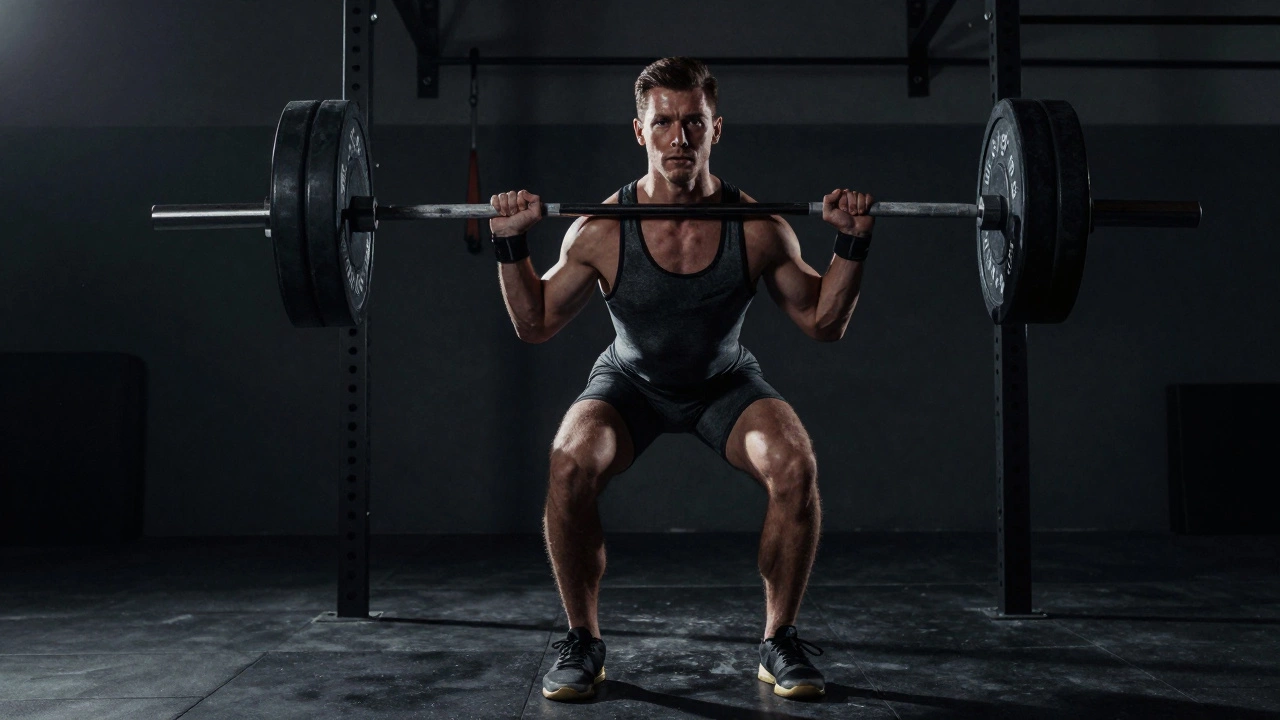
For beginners, the focus should be on versatility and basic protection. You don't need a carbon-plated shoe for a light jog, but you do need a shoe that matches your gait (overpronation vs. supination). As you advance, your gear needs become more specific. An experienced marathoner might move from a general cushion shoe to a racing flat for competition to shave seconds off their time. A beginner weightlifter might start with standard sneakers, but as they move toward 300lb lifts, they'll need Olympic Lifting Shoes with a hard, raised heel to improve ankle mobility and balance.
- Beginner: Focus on basic fit, comfort, and general safety. Avoid the most expensive "pro" gear until your form is consistent.
- Intermediate: Start investing in sport-specific gear (e.g., compression gear for recovery, specialized grip socks for pilates).
- Advanced: Optimize for marginal gains. Use gear that targets specific weaknesses, such as weighted vests for strength or aerodynamic gear for cycling.
Maintaining Your Equipment for Longevity
Buying expensive gear is only half the battle; maintaining it is where many people fail. Equipment has a lifespan, and using gear past its prime is often as dangerous as using the wrong gear. For instance, the foam in running shoes loses its elasticity after about 300 to 500 miles. Even if the tread looks fine, the Midsole may have collapsed, meaning you're no longer getting the shock absorption you need. This is a common cause of sudden knee pain in runners who "love their old shoes."
Similarly, in sports like boxing or MMA, gloves that have lost their padding can lead to wrist sprains and knuckle injuries. Check your equipment regularly for signs of wear: fraying straps, thinning soles, or cracked helmets. Cleaning your gear properly-using specialized detergents for athletic fabrics instead of harsh bleach-prevents the materials from breaking down prematurely. Treat your gear like an investment in your body, and it will pay dividends in the form of better performance and fewer injuries.
Can I use generic gym clothes for high-intensity sports?
For light activity, yes. However, for high-intensity sports, generic cotton clothes can lead to overheating, severe chafing, and slower movement. Specialized athletic wear uses moisture-wicking fabrics and ergonomic seams that prevent skin irritation and help regulate your body temperature during peak exertion.
How do I know when it's time to replace my running shoes?
Look for two things: mileage and physical feel. Most shoes last 300-500 miles. If you start feeling new aches in your joints or if the midsole feels "flat" and doesn't bounce back when pressed, it's time for a new pair, regardless of how the outer fabric looks.
Is expensive gear always better than cheap gear?
Not necessarily. You're often paying for brand names or aesthetic designs. However, there is a baseline of quality required for safety. A $20 helmet may not meet safety certifications, whereas a $100 helmet uses tested impact-absorption materials. Invest in safety-critical items, but feel free to save on basics like t-shirts.
Do compression socks actually improve recovery?
Yes, by applying graduated pressure to the lower limbs, compression socks help improve blood flow and reduce the buildup of lactic acid and fluid (edema) after a workout. This can shorten the time between intense training sessions by speeding up muscle recovery.
Why are specialized shoes so important for weightlifting?
Weightlifting shoes have a hard, non-compressible sole and a raised heel. This provides a stable base that doesn't compress under heavy loads and allows athletes with limited ankle mobility to maintain an upright torso during squats, significantly reducing the risk of lower back injury.