Is It Safe to Cycle in Mexico? A Realistic Guide for Riders
Mexico Cycling Safety Estimator
Assess your risk profile before hitting the road. This tool uses factors from realistic cycling guides to estimate safety levels.
Safety Assessment
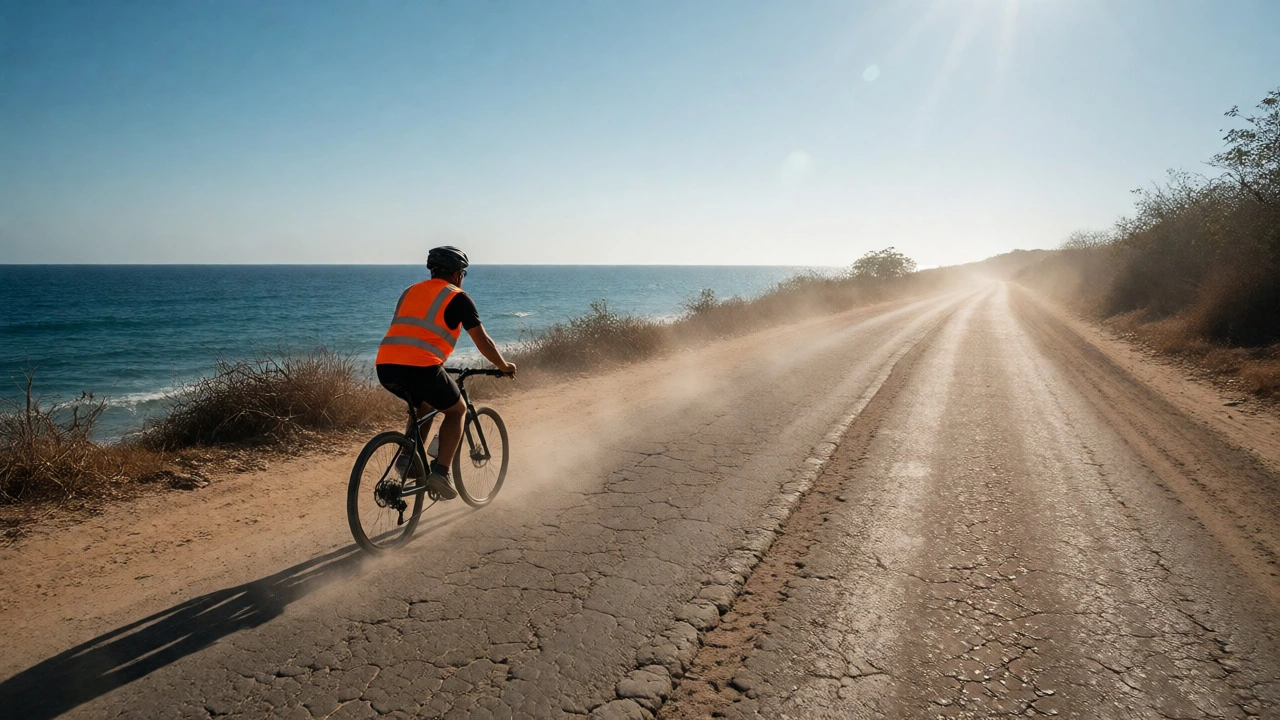
You’re standing on the edge of a dusty road in Oaxaca or maybe cruising along the coast near Puerto Escondido. The sun is beating down, the landscape is stunning, and you’re wondering: Is it safe to cycle in Mexico? The short answer is yes, but with major caveats that depend entirely on where you are, when you go, and how prepared you are. Unlike cycling in Australia or parts of Europe, riding in Mexico isn’t just about traffic laws; it’s about navigating a complex mix of infrastructure gaps, cultural norms, and varying levels of security.
If you’ve seen videos of cyclists getting harassed or heard horror stories about theft, you might be hesitant. But thousands of people ride bikes across Mexico every year without incident. The difference between a nightmare trip and an adventure comes down to preparation. Let’s break down what actually happens on the ground, not just what guidebooks say.
The Reality of Road Safety
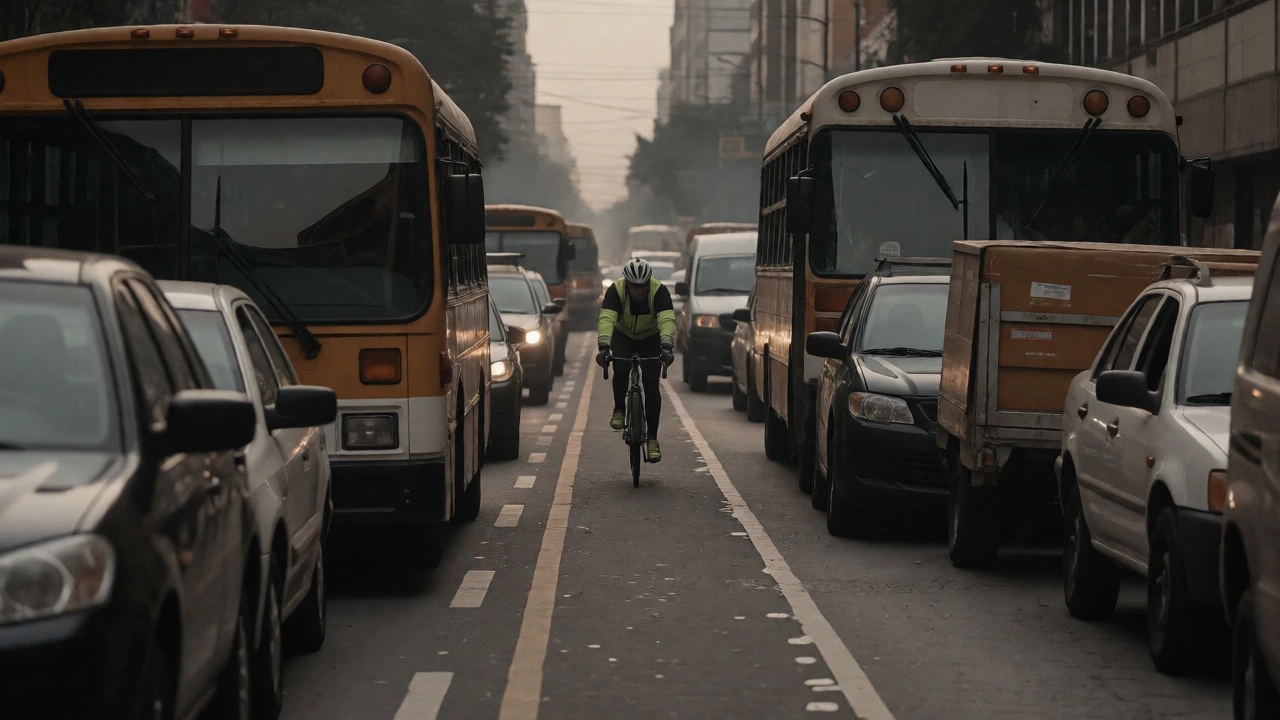
Let’s address the biggest fear first: cars. In most Mexican cities, drivers do not respect bike lanes because there often aren’t any. Even when they exist, they’re frequently blocked by parked trucks or used as shortcuts by motorbikes. You need to assume you are invisible until proven otherwise.
In rural areas, the dynamic changes. Traffic is lighter, but vehicles are faster and less predictable. Pickup trucks carrying entire families in the bed, buses overtaking on blind curves, and livestock wandering onto highways are common sights. Defensive cycling here means wearing high-visibility gear during the day, not just at night. Bright orange or yellow vests work better than reflective strips alone because the contrast against the green jungle or brown desert stands out more.
| Region Type | Primary Risk | Mitigation Strategy |
|---|---|---|
| Urban Centers (CDMX, Guadalajara) | Aggressive traffic, poor lane discipline | Ride early morning, use protected bike paths where available |
| Coastal Roads (Pacific Coast) | High-speed tourist traffic, potholes | Stick to secondary roads, avoid weekends/holidays |
| Rural Highways (Oaxaca, Chiapas) | Livestock, slow-moving farm vehicles | Ride during daylight, carry repair kit |
Personal Security and Crime
People worry about muggings or violent crime. Statistically, tourists cycling are low-profile targets compared to those walking around with expensive cameras or jewelry. Most incidents involve opportunistic theft-someone grabbing a bag left unattended while you buy water. Violent robbery specifically targeting cyclists is rare outside of specific high-risk zones.
Which zones? Generally, avoid cycling alone after dark in major city outskirts. In places like Tijuana or certain parts of Ciudad Juárez, solo cycling can attract unwanted attention from police checkpoints or local groups. However, in popular tourist corridors like the route between San Cristóbal de las Casas and Palenque, or the coastal path from Sayulita to Punta Mita, you’ll see other cyclists regularly. There is safety in numbers. If you look like part of the scenery, you’re less likely to be targeted.
Keep your gear simple. A flashy $300 helmet screams "tourist" more than a standard black one. Use panniers instead of backpacks if possible; they’re harder to snatch quickly. And always lock your bike properly, even if you’re just popping into a tienda for five minutes. U-locks are preferred over cable locks, which can be cut in seconds.
Best Routes for Confidence-Building
If you’re new to Mexican cycling, don’t start on the Pan-American Highway. Start somewhere forgiving. The Puerto Escondido to Mazunte coastal route is a favorite among international riders. It’s relatively flat, scenic, and has a growing community of bike-friendly hostels. You can stop in small villages, eat fresh fish, and meet other travelers who share real-time updates on road conditions.
Another solid option is the Copper Canyon Loop in Chihuahua. This is for experienced riders due to elevation changes, but the region is generally safer and more welcoming to outsiders than many assume. The locals are proud of their landscape and often help stranded cyclists. Just check local news before heading out, as weather can close sections of the trail unexpectedly.
Avoid the direct highway through central Mexico if you’re inexperienced. The stretch between Puebla and Mexico City is notoriously dangerous due to heavy truck traffic and narrow shoulders. Instead, look for parallel secondary roads marked on apps like Komoot or Strava segments created by previous users. These user-generated routes often highlight safer, quieter alternatives that official maps miss.
Health and Environmental Challenges
Safety isn’t just about humans. Nature plays a huge role. Altitude sickness hits hard if you fly into Mexico City (2,240 meters) and immediately try to ride up steep hills. Give yourself two days to acclimatize. Dehydration is another silent killer. The dry heat in northern states like Sonora can drain your fluids faster than you realize, especially if you’re pushing hard. Carry more water than you think you need. Electrolyte mixes are cheap and widely available at pharmacies (farmacias).
Mosquitoes aren’t just annoying; they carry dengue and Zika. In southern states like Yucatán and Quintana Roo, these diseases are endemic. Use DEET-based repellent consistently. Don’t rely on natural oils if you’re sweating heavily-they evaporate too fast. Sleeping under a mosquito net is non-negotiable in budget accommodations without air conditioning.
Cultural Etiquette That Keeps You Safe
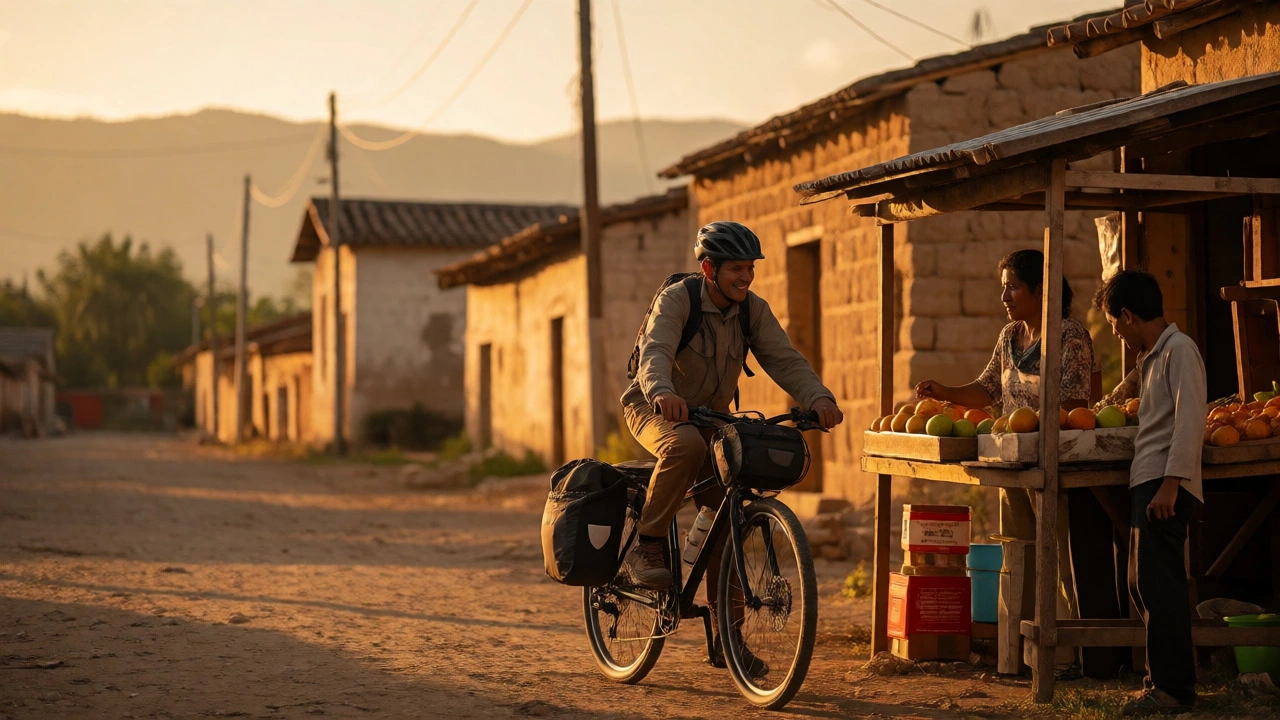
How you interact with locals affects your safety profile. Mexicans are generally warm and helpful. If you smile and say "Buenos días," you’ll get smiles back. If you ignore people or act rushed, you might seem rude or suspicious. Learn basic Spanish phrases. Being able to ask "¿Dónde está la farmacia?" (Where is the pharmacy?) builds trust instantly.
Accept invitations cautiously. Someone might invite you for a beer or a meal. It’s usually genuine hospitality, but stay aware of your surroundings. Drink bottled water only. Ice in drinks is usually fine in established restaurants but risky in street stalls. If someone offers you food, it’s polite to accept unless you have dietary restrictions, but keep portions modest so you don’t feel sluggish on the bike.
Preparation Checklist Before You Ride
- Documents: Carry a photocopy of your passport and visa. Keep the original in a hotel safe. Police may ask for ID during routine stops.
- Bike Insurance: Check if your travel insurance covers bicycle theft or damage. Standard policies often exclude sports equipment.
- Local SIM Card: Get a Telcel or AT&T Mexico SIM upon arrival. Data coverage is good in towns but spotty in remote areas. Download offline maps beforehand.
- Repair Kit: Bring spare tubes, tire levers, a multi-tool, and a chain breaker. Finding specialized bike parts in rural villages can take days.
- Emergency Contacts: Save the number for local emergency services (911 works nationwide now) and your country’s embassy.
Remember, conditions change rapidly. What was safe last month might be closed this week due to protests or construction. Always check recent posts on forums like BicycleTouring.com or Facebook groups dedicated to cycling in Mexico. Current traveler reports beat outdated guidebooks every time.
Do I need special insurance to cycle in Mexico?
Yes, standard travel insurance often excludes bicycles. Look for policies that explicitly cover 'sports equipment' or 'bicycle touring.' Companies like World Nomads or Allianz offer add-ons for higher-value gear. Ensure the policy covers medical evacuation, as hospitals in remote areas may require transfer to larger cities.
Is it safe to cycle alone in Mexico?
It depends on the region and your experience level. Solo cycling is common in tourist hubs like Baja California Sur and the Mayan Riviera. In less visited areas, joining a group or riding with a partner increases security. Women cyclists often report feeling safer in groups but find locals respectful if they dress conservatively and avoid night riding.
What should I do if I get pulled over by police?
Stay calm and polite. Show your ID copy. Officers rarely fine cyclists for minor infractions. If asked for a bribe ('mordida'), politely decline and ask for a ticket. Often, they will let you go. Never argue aggressively. Having a basic understanding of local traffic rules helps, though enforcement varies wildly.
Are bike lanes common in Mexican cities?
They are growing but inconsistent. Mexico City has invested heavily in its Ecobici system and painted lanes, but they are often blocked by delivery vans. Guadalajara and Monterrey have some dedicated paths. Outside major cities, expect to share the road with cars and trucks without physical separation.
Can I rent a bike easily in tourist areas?
Yes, rental shops are plentiful in beach towns and colonial cities. Quality varies significantly. Inspect the brakes, tires, and gears thoroughly before renting. For long-distance touring, bringing your own well-maintained bike is recommended to avoid mechanical failures far from shops.