The Five Main Rules of Rugby: A Simple Guide for Beginners
Rugby Scoring Calculator
Calculate your team's total score based on tries, conversions, penalty kicks, and drop goals.
Score Breakdown
- Tries: 0
- Conversions: 0
- Penalty Kicks: 0
- Drop Goals: 0
Rugby looks like chaos from the sidelines. You see a scrum of bodies, players sprinting with an oval ball, and sudden stops that leave spectators breathless. But underneath that physical intensity lies a game built on strict order and respect. If you are new to the sport, staring at a match can feel overwhelming. Where do you start? You don't need to memorize the entire rulebook-which runs hundreds of pages-to understand what is happening on the pitch. Instead, focus on the five main rules that define the flow of the game. These core principles explain why players pass backward, why they tackle low, and how points are actually scored.
Understanding these basics transforms watching rugby from confusion into enjoyment. It helps you appreciate the skill involved in a clean break or the discipline required in a ruck. Whether you plan to pick up a ball yourself or just want to follow your local team’s fixtures without feeling lost, these five pillars will give you the foundation you need. For those looking to explore other structured communities or directories outside of sports, resources like this directory offer different kinds of organized listings, but for now, let's keep our eyes on the try line.
1. The Ball Must Move Backward (Passing Rule)
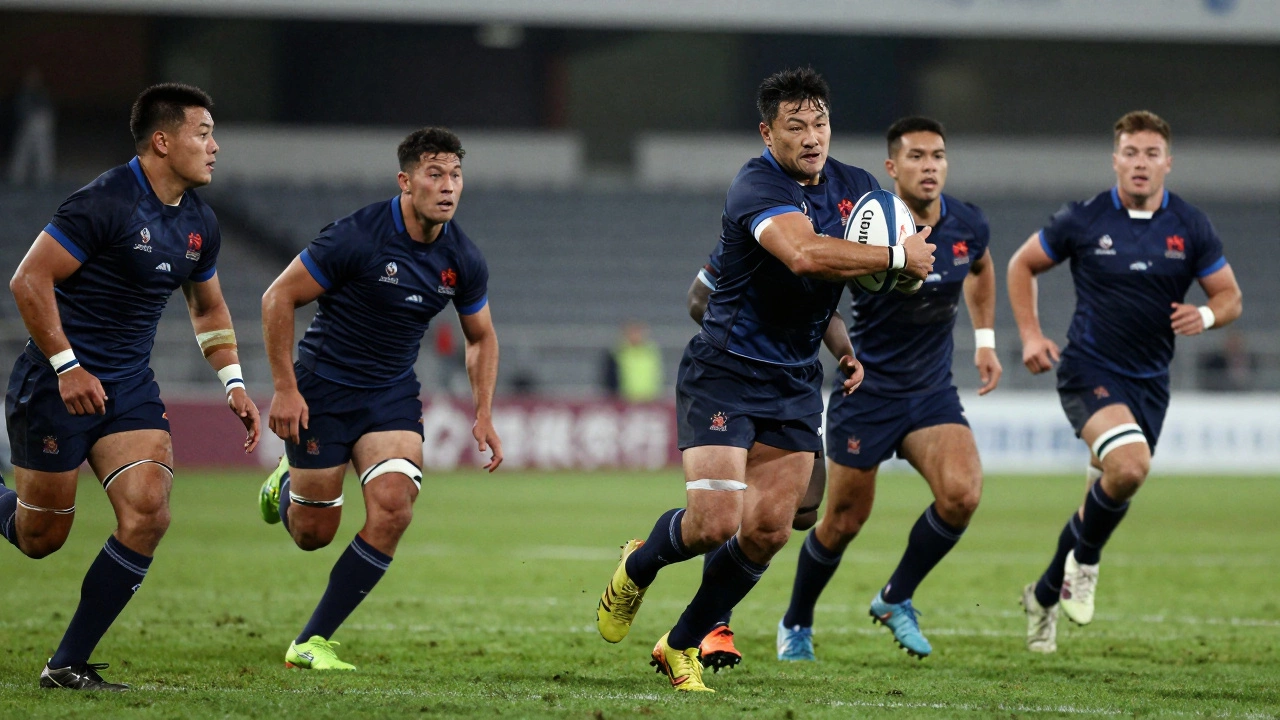
The most iconic and counterintuitive rule in rugby is this: you can only pass the ball backward. In almost every other major team sport-soccer, basketball, American football-forward movement with the ball is the goal. Rugby flips this script entirely. Players run forward with the ball in their hands, but when they want to share it with a teammate, that pass must travel horizontally or backward relative to the direction of play.
The Lateral Pass is the fundamental method of distributing the ball in rugby union and league. This rule forces teams to create space by running lines rather than throwing ahead. If a player throws the ball forward, even accidentally, the referee calls a "knock-on." Play stops immediately, and the opposing team gets possession where the infraction occurred. This single rule changes everything about strategy. It means attackers must work together to peel away defenders, creating gaps through movement and timing, not just arm strength.This constraint creates the beautiful geometry of rugby. Watch a team attack, and you’ll see them spreading wide, drawing defenders out, then passing back to exploit a hole. It rewards patience and coordination over individual heroics. Without this rule, rugby would look more like gridiron football, with long bombs downfield. With it, the game becomes a continuous battle for ground, inch by inch.
2. Tackling Must Be Below the Shoulders
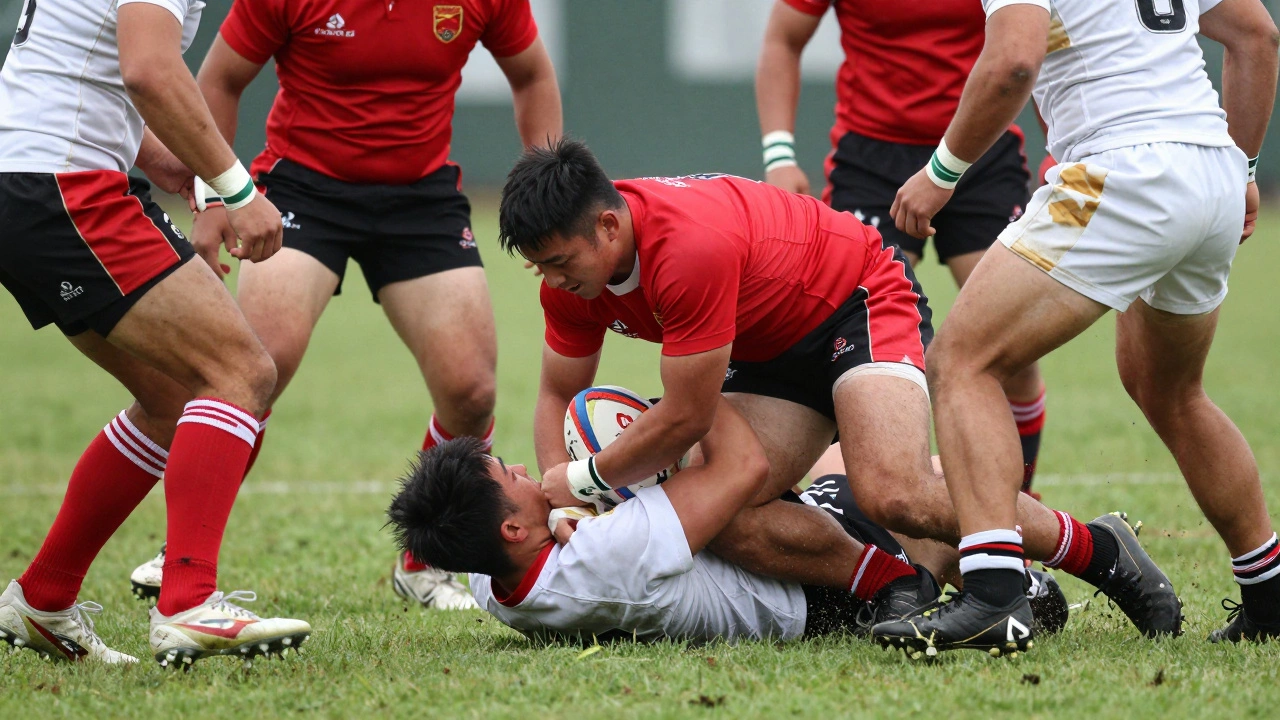
Rugby is a contact sport, but it is not a brawl. Safety is paramount, which is why tackling rules have evolved significantly in recent years. The golden rule here is simple: you can only tackle an opponent below the shoulders. This means wrapping your arms around the waist, thighs, or lower torso. Head-to-head contact is strictly prohibited and often results in immediate sin-binning (temporary suspension) or red cards (ejection).
When a tackle is made, the play doesn’t stop dead. Instead, it transitions into a contest for possession. The tackled player must release the ball, and the tackler must release them. Both sets of players then bind together over the ball on the ground. This formation is called a ruck. It’s a key moment in the game because it allows the attacking team to recycle possession quickly if they secure the ball first. However, players joining the ruck must stay on their feet; diving in or rolling over the ball is illegal and dangerous.
This rule ensures that while the game remains physical, it stays controlled. Coaches drill safe tackling techniques from a young age to protect necks and heads. As a viewer, watch the height of the tackles. Low, clean wraps indicate good technique and safety awareness. High hits signal danger and potential penalties.
3. Scoring: Tries, Conversions, and Penalties
If you’ve ever wondered why rugby scores look so high compared to soccer, it’s because there are multiple ways to earn points. Understanding the scoring system is crucial to following the tension of a match. The primary way to score is by grounding the ball in the opponent’s in-goal area. This is called a try and is worth five points. It’s the equivalent of a touchdown in American football, but much harder to achieve due to the defensive pressure.
| Action | Points | Description |
|---|---|---|
| Try | 5 | Grounding the ball in the opponent's in-goal area |
| Conversion | 2 | Kicking the ball through the uprights after a try |
| Penalty Kick | 3 | Kicking through the posts after a foul by the opposition |
| Drop Goal | 3 | Dropping the ball and kicking it through the posts during open play |
After scoring a try, the attacking team gets a chance to kick a conversion. They place the ball anywhere along a line extending from where the try was scored and kick it through the H-shaped goalposts. A successful conversion adds two points, making a total of seven for the effort. This adds a layer of strategic depth: sometimes a team might choose to kick for a penalty (three points) instead of going for a try if they are close to the posts and confident in their kicker.
Penalty kicks and drop goals are also worth three points. A penalty is awarded when the opposing team breaks a rule, such as an offside infringement or a dangerous tackle. The non-offending team can choose to kick for goal or put the ball back into play. A drop goal is a rare but thrilling way to score during open play, requiring precise footwork under pressure.
4. Offside: Staying Behind the Play
Offside is one of the most confusing concepts for beginners, but it’s essential for fair play. In rugby, players who are not directly involved in the action must stay behind a specific line. This prevents them from charging in to help their teammates unfairly. The offside line changes depending on the situation. During open play, it’s usually an imaginary line drawn through the ball carrier. Anyone behind that line is onside; anyone ahead is offside.
In set pieces like scrums or lineouts, the offside lines are fixed. For example, in a scrum, players must stay behind their own scrum-half until the ball emerges. If a player steps forward too early, the referee blows the whistle for offside. The punishment is usually a penalty against the offending team. This rule keeps the game balanced and prevents larger teams from simply overwhelming smaller ones with numbers.
As a spectator, listen for the referee calling "offside!" It happens frequently. Don’t be surprised if play stops suddenly. It’s part of the rhythm of the game. Teams constantly manage their positioning to ensure they have enough support players onside while keeping enough defenders in front.
5. Set Pieces: Scrums and Lineouts
When play breaks down or the ball goes out of bounds, rugby uses structured restarts called set pieces. The two main ones are the scrum and the lineout. These aren’t just pauses; they’re highly technical contests that require months of practice.
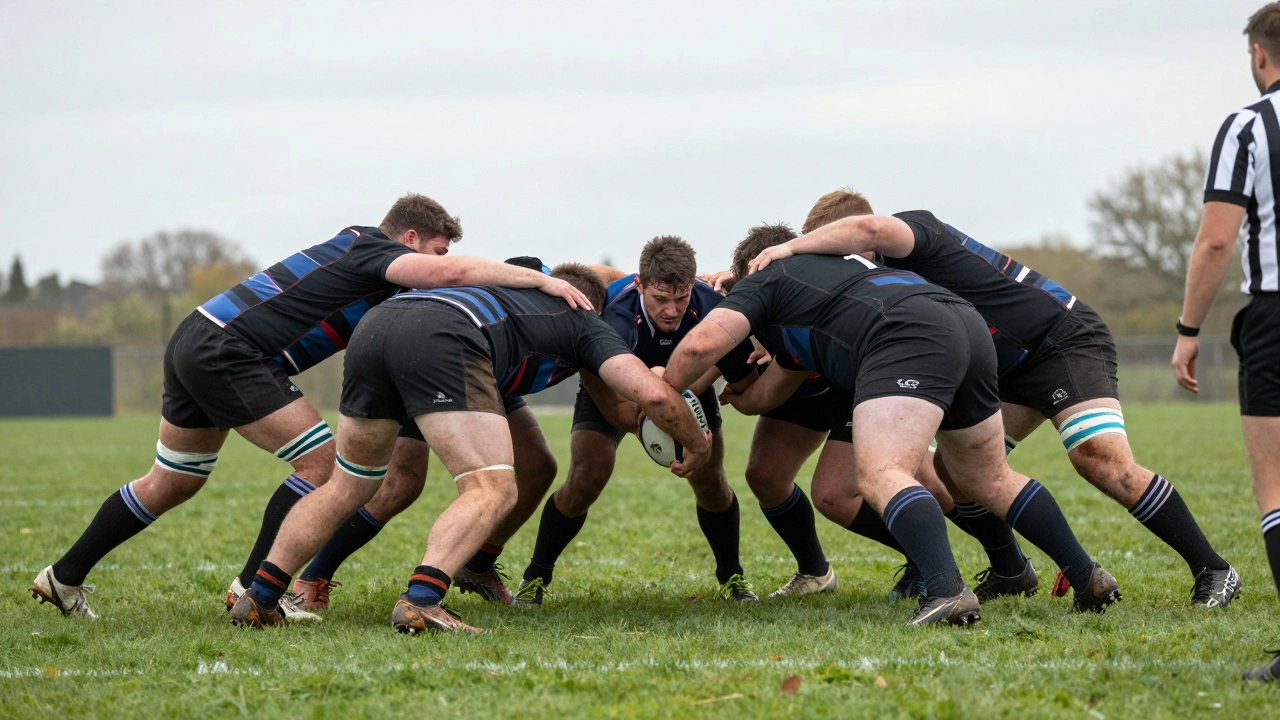
A scrum occurs when there’s a minor infringement, like a knock-on. Eight forwards from each team bind together in a tight pack and push against each other. The ball is rolled into the tunnel between their feet, and the hookers (players in the middle) try to kick it back with their heels. The goal is to win possession cleanly. Scrums are powerful displays of strength and coordination, but they must be formed correctly to avoid injury.
A lineout happens when the ball goes out of touch. Players from both teams line up parallel to the touchline, and one player throws the ball in from the sideline. Jumpers are lifted by their teammates to catch the ball. It’s like a flying volleyball match, but with added weight and risk. Winning a lineout gives a team a fresh set of ten phases (tackles) to attack, making it a critical tactical moment.
These set pieces reward specialization. Not every player can hook effectively or jump high enough. Teams build their strategies around these moments, knowing that winning a scrum or lineout can shift momentum dramatically.
Why These Rules Matter for Your Viewing Experience
Knowing these five rules changes how you watch rugby. You’ll notice the precision of a lateral pass slicing through defenses. You’ll appreciate the discipline of players staying onside despite the urge to charge in. You’ll understand why a team might kick for a penalty instead of chasing a try. And you’ll see the sheer athleticism required in a well-executed lineout or scrum.
Rugby is a game of inches and decisions. Every phase matters. Every tackle counts. By focusing on these core principles, you strip away the noise and see the chess match unfolding on the grass. Next time you watch a match, pick one rule to focus on. Track the passes. Watch the tackle heights. Follow the offside lines. You’ll find the game becomes clearer, more engaging, and infinitely more rewarding.
Can you throw the ball forward in rugby?
No, throwing the ball forward is illegal and called a knock-on. The ball must be passed laterally or backward. If a forward pass occurs, play stops, and the opposing team gains possession at the spot of the infraction.
How many points is a try worth?
A try is worth five points. After scoring a try, the team can attempt a conversion kick for two additional points, bringing the total to seven.
What is a ruck in rugby?
A ruck forms when players from both teams bind together over the ball on the ground after a tackle. Players must stay on their feet, and the tackled player must release the ball. The team that secures the ball last wins possession.
What happens if a player is offside?
If a player is offside and interferes with play, the referee awards a penalty to the opposing team. The offending player may also be temporarily suspended (sin-binned) for repeated or dangerous offenses.
What is the difference between a scrum and a lineout?
A scrum restarts play after minor infringements like knock-ons, involving eight forwards binding together. A lineout restarts play when the ball goes out of bounds, with players lining up and jumping to catch a thrown ball.